Awareness
24 articles

Where to Begin When Starting Over Feels Overwhelming: A Gentle Guide
Someone asked me recently: how do you know when you're ready to start over? And my honest answer was: you usually don't. You start before you're ready, because the alternative, staying still in something that no longer fits, has finally become more uncomfortable than the fear of moving.
More tagged “Awareness”

Signs from the Universe: How to Listen When Life Is Speaking to You
I want to tell you about two things that happened to me recently. By any objective measure, neither of them is remarkable. One involved a car. The other involved chewing gum.

I Took the Hard Road, They Said It Had the Best Views
Here is a question I have been sitting with: If someone offered you a shortcut - not a cheat, not a bypass, but a genuine, faster way through - would you take it? Or would you need to feel your way there first? Would you need to walk the whole long road, with its wrong turns and its weather, before you trusted where you'd arrived? I have been asking myself this honestly. And the honest answer is: I think I needed the long road. Not because suffering is noble or because hardship is a prerequisite for growth. But because of something more specific to how I am wired. I needed the felt sense.

The Meadow of Memories: What If Every Experience You've Had Deserves Equal Ground?
It stretches as far as you can see in every direction. And in it, flowers. Hundreds of them. Thousands. Each one is a different colour, a different height, a different shape. Some of them face the sun. Some of them are bent slightly from the weather they have lived through. Some are in full bloom. Some are past their peak.

The Power of a Stranger's Validation: What Happens When You're Finally Seen
There is something quietly radical about being seen by someone who has nothing to gain from seeing you. No shared history. No reason to be kind. No obligation to agree. Just a stranger, and their words, cutting through years of noise to land somewhere deep and still inside of you.

How I Finally Got My Dream Body (And Why It Had Nothing to Do With a Diet)
A Warning and an Invitation: if you are here for a quick fix, read on no more. I mean that kindly. There are plenty of places on the internet that will sell you one. This is not that place. But if you are exhausted by quick fixes. If you have tried them, lost count of how many, and arrived here with a particular kind of tired that goes deeper than fatigue, the tired that comes from fighting something for decades and not winning, then you are exactly where you need to be.

Meditation Myths Debunked: How to Actually Begin (Or Begin Again)
I have lost count of how many people have told me they can't meditate. Sometimes they say it with a kind of proud resignation, I've tried, I'm just not that kind of person. Sometimes, with a frustration that suggests they genuinely wanted it to work. Sometimes with a faint embarrassment, as though they've failed at something that seems to come easily to everyone else.

The Words & Contemplations Podcast: Conversations, Meditations and the Things We Wish Someone Had Said Sooner
There is a particular kind of company that a podcast can offer. You are driving somewhere, or walking somewhere, or doing the necessary but not particularly fulfilling task of existing in the world, and there are two voices in your ears. You don't know these people, not really. But you've grown fond of them in the way you grow fond of anyone who is consistently honest with you about the things that matter. We wanted to build that.

The Architecture of Awareness: Using Yoga as a Framework for Self-Study
Self-awareness is rarely accidental. It is built: slowly, deliberately and through practice. What drew me to yoga was movement. What kept me there was something far less visible: the framework it offered for understanding myself.

Navigating Difficult Times With The Right Internal Support
Lately, I have been thinking about the ways we outsource our wellness. We seek advice. We ask for reassurance. We hand our experiences over to others to interpret. And sometimes that is necessary. Reflection and projection are powerful tools; being witnessed in our struggles can soften their edges. Community matters. Guidance matters.
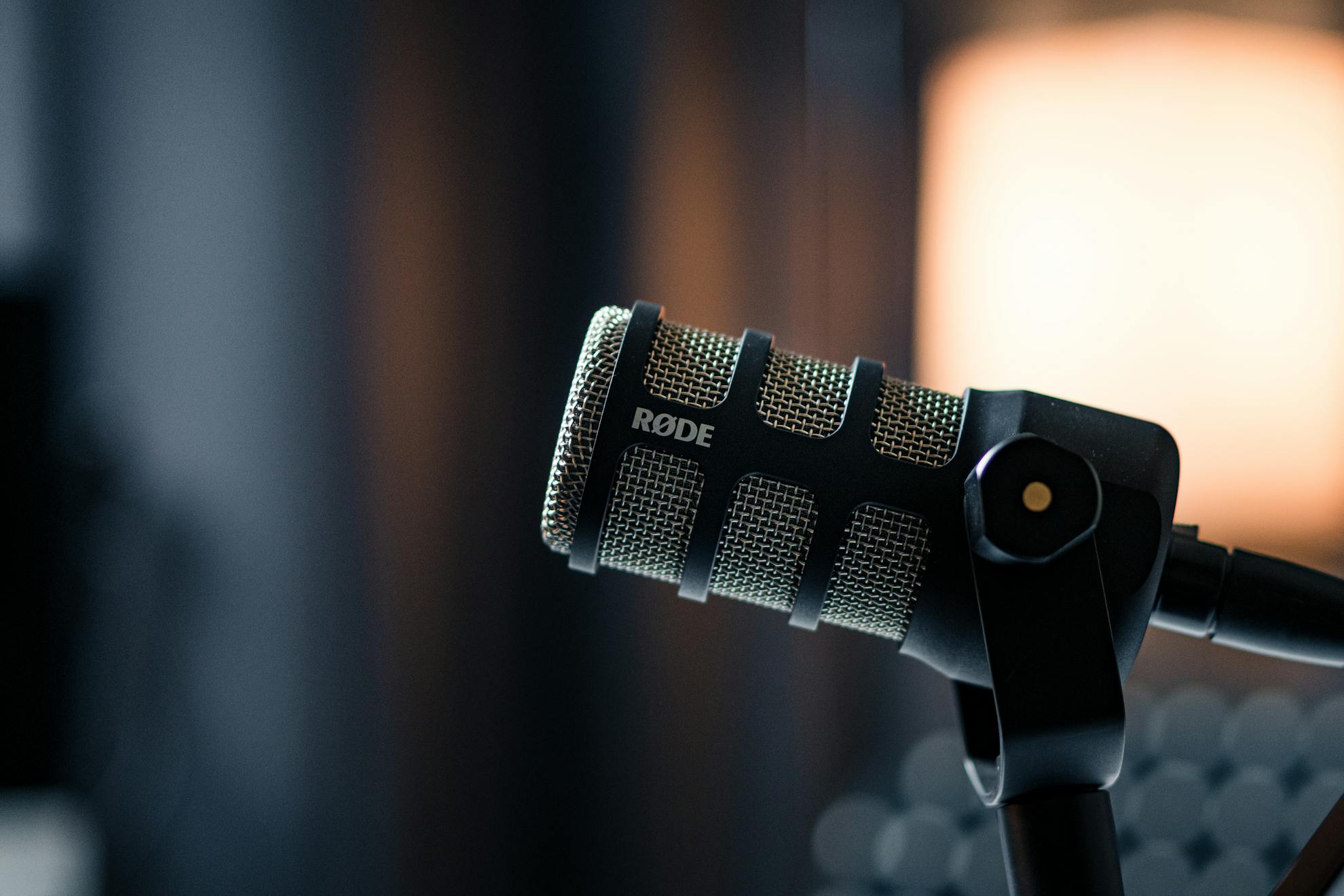
A Softer Way to Begin: Introducing the Words & Contemplations Podcast
Words & Contemplations starts her podcast journey, bringing you blogs in audio format as well as meditations, gentle practices and talks. Come along for the journey; we'd love to have you tune in.
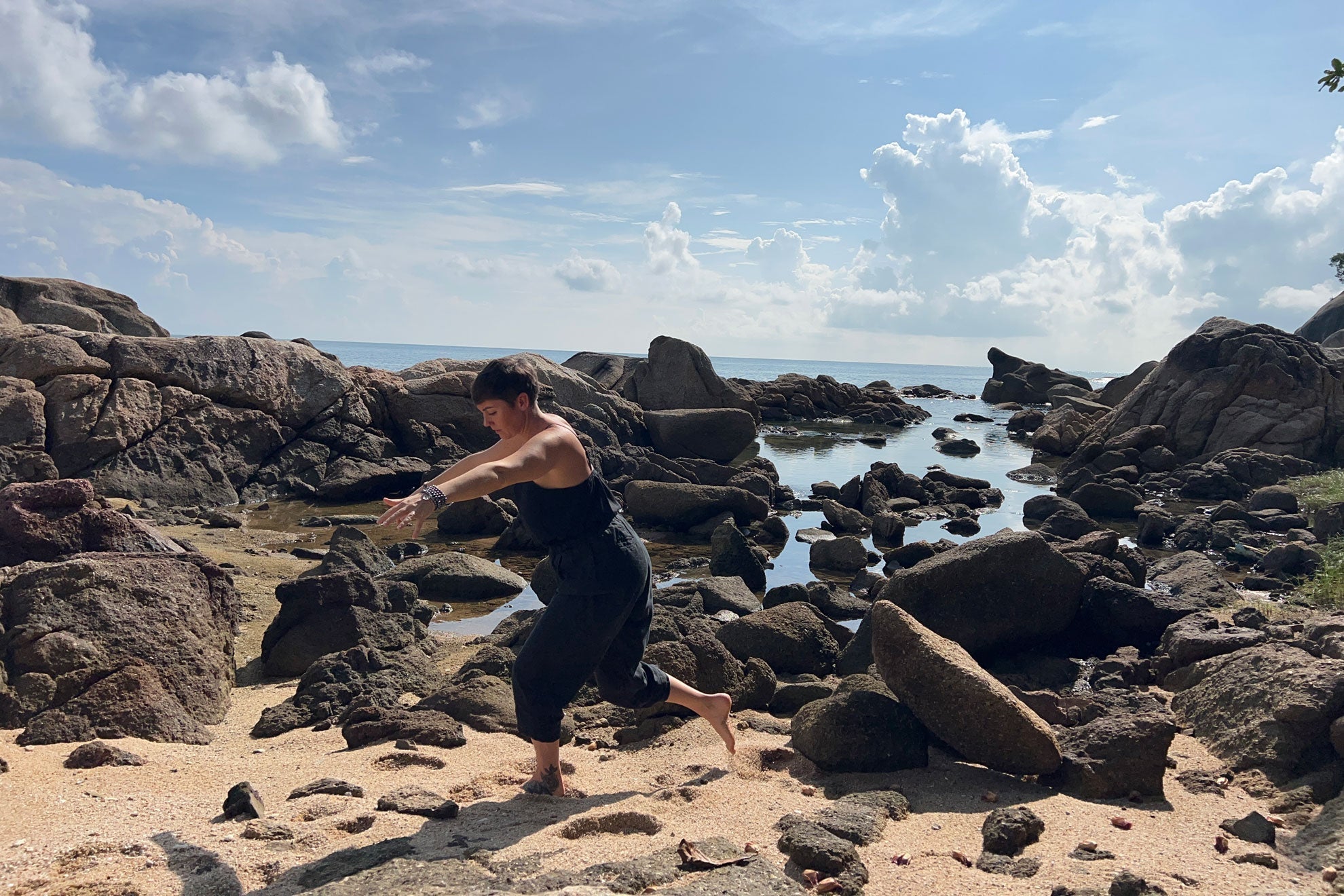
The Space Between the Boxes: A Journey of Unravelling and Reconnecting
What happens when the dust settles after eleven months of wandering? After living out of a single suitcase and a "long list of hell yes's" alongside an even longer list of "no’s," you eventually find yourself standing in the quiet of what used to be your life.
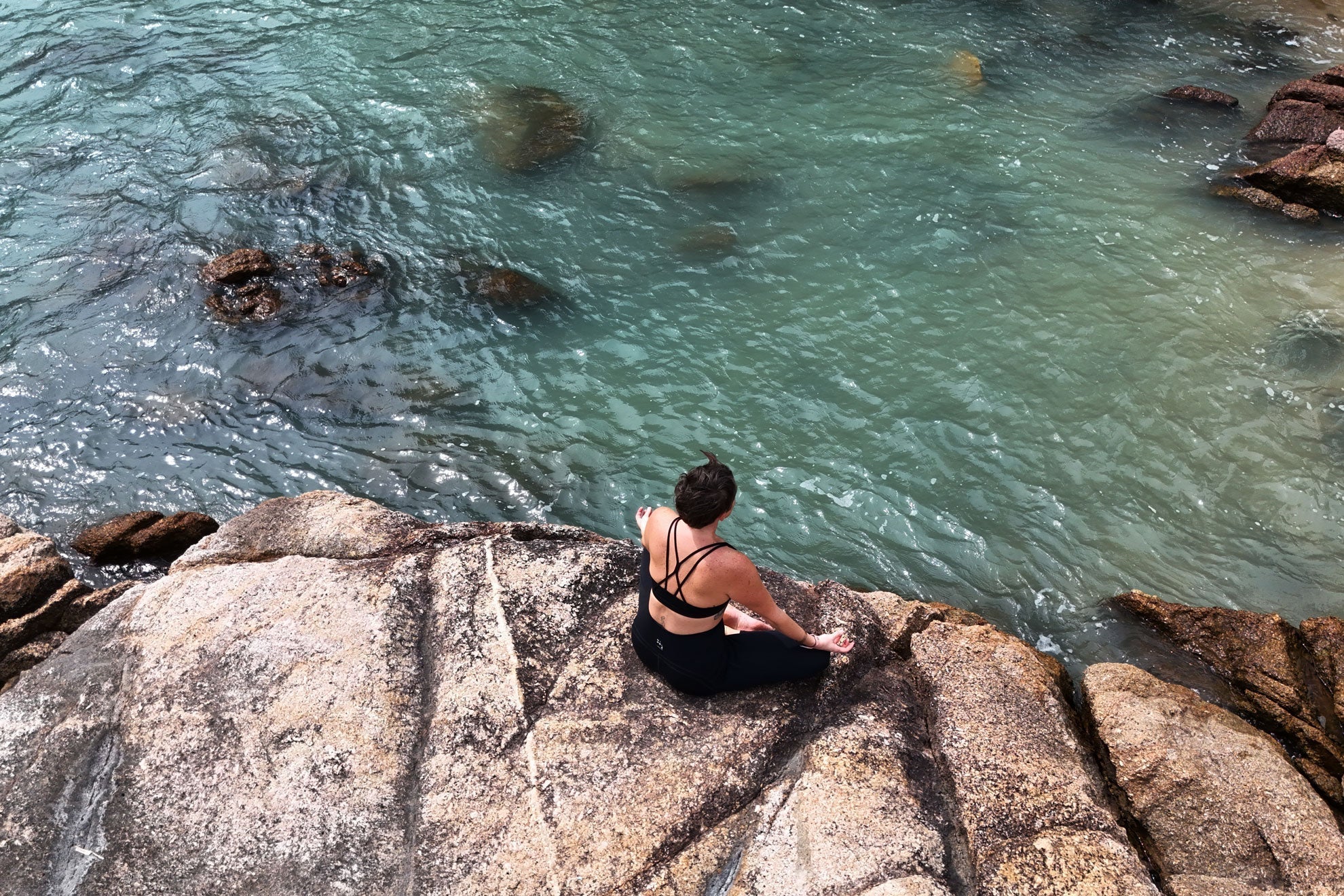
10 Mindful Practices for the Unravelling Soul (On the Go)
When we left our work/life roles, I thought the hardest part would be the logistics. I quickly learned that the true challenge is the unravelling of the "doing" mind. Here are ten practices I’ve gathered from the road that you can do anywhere.
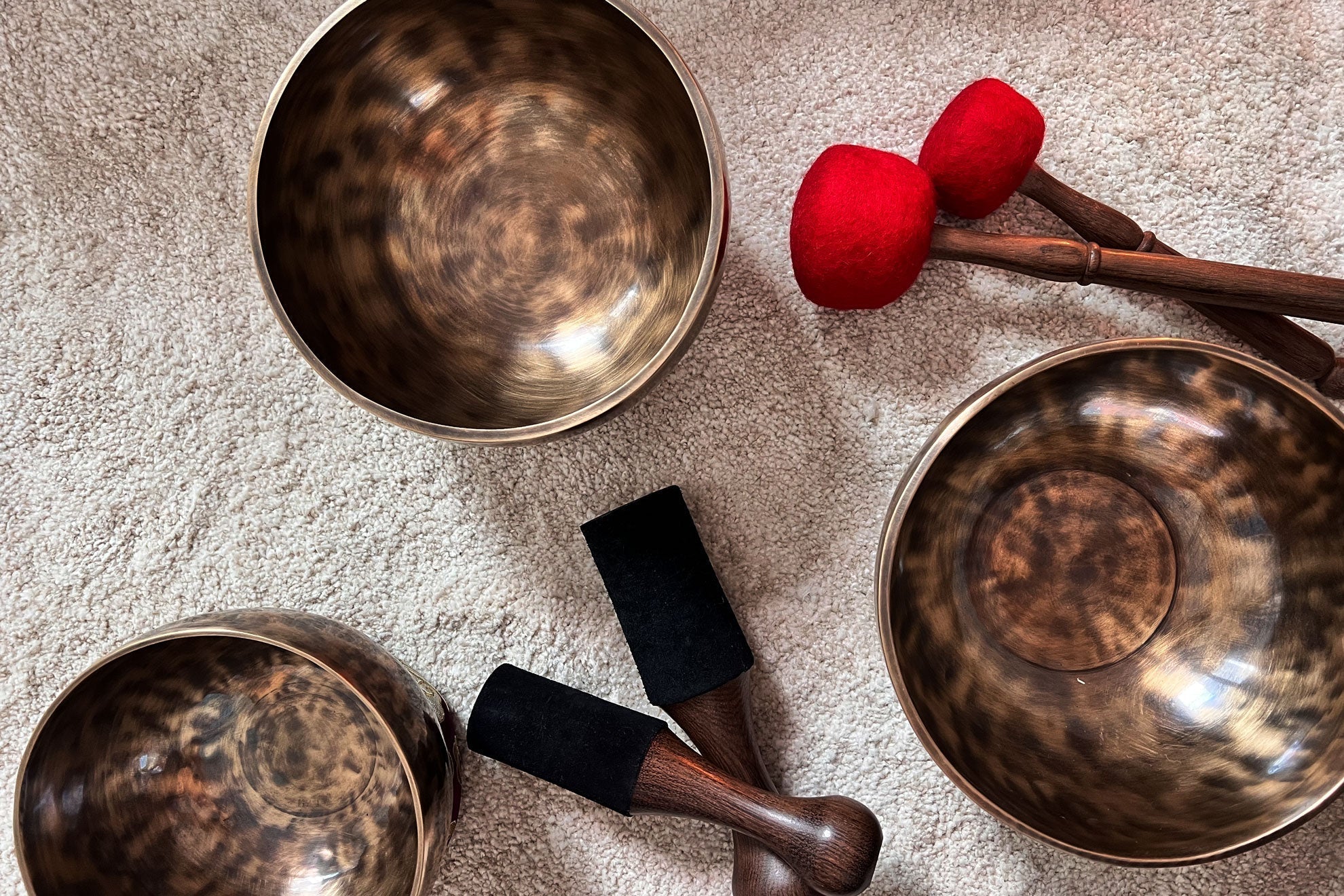
A Symphony of the Self: The Science and Soul of Sound Medicine
“Every illness is a musical problem—the healing, a musical solution.” In our modern world, we often perceive our bodies as solid, static structures. Yet, if we look closer—through the lens of both ancient wisdom and modern physics—we find that we are actually a symphony of oscillatory patterns. From the rhythmic beat of our hearts to the subtle hum of our cellular membranes, every cell, tissue, and organ in the human body possesses its own unique resonant frequency.

Seeing Desire for What It Really Is
We often look to others to decide what we want. We glimpse a moment in their life — a success, a lifestyle, a relationship - and imagine that having what they have will complete something in us. In truth, what we’re seeing is never the full picture. It’s a snapshot lifted out of a much longer, messier, deeply human story.

The Revelations Found in Astrology and Human Design
I’ve always believed that self-inquiry can be a portal. Sometimes that portal is meditation. Sometimes it’s heartbreak. Sometimes it’s travel, long and lonely and bewildering. But recently, it came in the form of something unexpected:Running my astrological birth chart and my human design through ChatGPT.

Astrology, Human Design, and the Desire to Understand Ourselves
There are times when self-understanding doesn’t come from doing more, fixing more, or striving harder - but from seeing yourself clearly for the first time. Recently, I explored both my astrological birth chart and Human Design, not to predict the future, but to understand myself more deeply during a period of transition. What unfolded wasn’t instruction or certainty, but recognition. This reflection explores what these systems are, why so many are drawn to them right now, and how they can offer permission to embrace the parts of ourselves we’ve often tried to override.

Removing the Habits That Keep You Stuck: Do A Habit Audit: Hard Questions, Small Changes, Big Shifts
We all have habits that serve us, and habits that don’t. The tricky part is: sometimes the ones that don’t serve are the ones we cling to because they feel familiar, safe, known. This post will guide you through an honest audit of your habits, apply research from behavioural psychology (including key ideas from Atomic Habits by James Clear) and offer a list of very practical, gradual changes you can make — changes you control, sustainable and within reach.

What Slowing Down Really Taught Me This Year: Coming Back to My Body, My Life and Myself
As this year comes to a close, I’ve been reflecting on what “slowing down” really ended up being for me. When I imagined it, I pictured beaches, sunrise yoga sessions, sunsets with salty hair, and the kind of inner peace that glossy wellness posts make look effortless. And yes, there were moments that felt like that. But most of the time, slowing down wasn’t glamorous. It was messy, humbling, grounding and honest. It looked like a compromise. It asked me to make choices I didn’t always expect. It made me meet myself in ways I had never truly allowed before.

Lived Wellness: Moving Beyond Consumption to Everyday Being
In a world where wellness is often sold as “buy this product,” “subscribe to this service,” “follow this influencer,” it can feel like well-being is something external that you purchase. But what if true wellness was the opposite? Lived, found, built from the inside out, free and accessible. What if it wasn’t about what you buy, but what you do, what you think, what you become?

The Yogic Path of Remembering: Seeing Beyond Samskaras and Old Narratives
There are moments in life when you realise that what you are reacting to is not the situation in front of you, but the echo of something much older.A familiar sting.A tightening in the chest.A story your body remembers even if your mind has forgotten its origin.

10 Daily Habits To Bring You Back Into Your Body
Every day, the world pulls us outward — notifications, demands, plans, deadlines.What if instead you pulled yourself inward, back into your body, your breath, your being? Here are ten simple, accessible habits that can help reconnect you with yourself, activate your nervous system’s rest-and-digest mode, and bring calm into your day.

Lived Wellness, Beyond the Thinking Mind
Food, thoughts, emotions: these are all attachments we can become addicted to, especially the ones that reinforce our worldview. We crave confirmation, whether through accolades, achievements, or approval for our choices. But that’s all they are, choices.

Harness Your Energy with Yoga: Devotion, Breath, and Mindful Practice
Energy moves where attention flows. Both ancient yoga and modern science tell us this truth in different languages, yet the essence remains the same: what you focus on expands.