Understand
50 articles

Signs from the Universe: How to Listen When Life Is Speaking to You
I want to tell you about two things that happened to me recently. By any objective measure, neither of them is remarkable. One involved a car. The other involved chewing gum.
More in Understand

How A Family Can Change
As an adult we all (most) avoid family gatherings, seldom telling our parents the truth about what we have really been up to, we tend to share a filtered version of ourselves with the loved ones who have been making sacrifices for us for decades. When does the relationship evolve and how should it work?

The Power of a Stranger's Validation: What Happens When You're Finally Seen
There is something quietly radical about being seen by someone who has nothing to gain from seeing you. No shared history. No reason to be kind. No obligation to agree. Just a stranger, and their words, cutting through years of noise to land somewhere deep and still inside of you.

Where to Begin When Starting Over Feels Overwhelming: A Gentle Guide
Someone asked me recently: how do you know when you're ready to start over? And my honest answer was: you usually don't. You start before you're ready, because the alternative, staying still in something that no longer fits, has finally become more uncomfortable than the fear of moving.

What Burnout Really Looks Like — and How to Listen to It
After one of the most challenging years of my life, I think I finally realise what burnout is. The saddest thing of all is that now I am on the right side of my experience, I watch helplessly as others around me experience the same thing but with different outcomes.

How I Finally Got My Dream Body (And Why It Had Nothing to Do With a Diet)
A Warning and an Invitation: if you are here for a quick fix, read on no more. I mean that kindly. There are plenty of places on the internet that will sell you one. This is not that place. But if you are exhausted by quick fixes. If you have tried them, lost count of how many, and arrived here with a particular kind of tired that goes deeper than fatigue, the tired that comes from fighting something for decades and not winning, then you are exactly where you need to be.

Meditation Myths Debunked: How to Actually Begin (Or Begin Again)
I have lost count of how many people have told me they can't meditate. Sometimes they say it with a kind of proud resignation, I've tried, I'm just not that kind of person. Sometimes, with a frustration that suggests they genuinely wanted it to work. Sometimes with a faint embarrassment, as though they've failed at something that seems to come easily to everyone else.

The Words & Contemplations Podcast: Conversations, Meditations and the Things We Wish Someone Had Said Sooner
There is a particular kind of company that a podcast can offer. You are driving somewhere, or walking somewhere, or doing the necessary but not particularly fulfilling task of existing in the world, and there are two voices in your ears. You don't know these people, not really. But you've grown fond of them in the way you grow fond of anyone who is consistently honest with you about the things that matter. We wanted to build that.

The Architecture of Awareness: Using Yoga as a Framework for Self-Study
Self-awareness is rarely accidental. It is built: slowly, deliberately and through practice. What drew me to yoga was movement. What kept me there was something far less visible: the framework it offered for understanding myself.
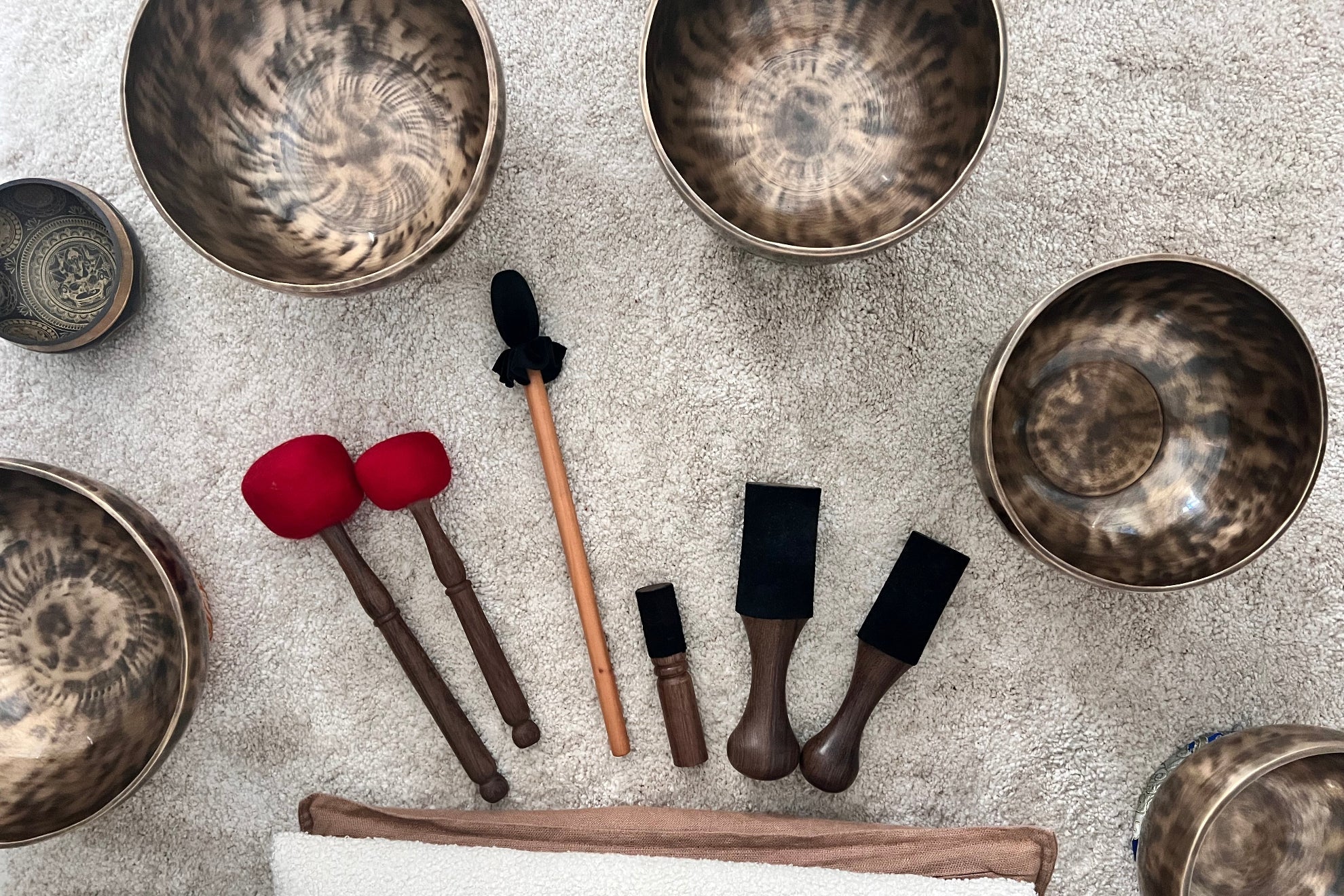
Sound Healing in Yoga: Why Learning to Receive the Tones Changes Everything
The first time I experienced a sound bath, I didn't quite know what to do with myself. I lay there, watching the ceiling, waiting for something to happen and then frustrated with myself for waiting, because weren't I supposed to just... let go?

Navigating Difficult Times With The Right Internal Support
Lately, I have been thinking about the ways we outsource our wellness. We seek advice. We ask for reassurance. We hand our experiences over to others to interpret. And sometimes that is necessary. Reflection and projection are powerful tools; being witnessed in our struggles can soften their edges. Community matters. Guidance matters.
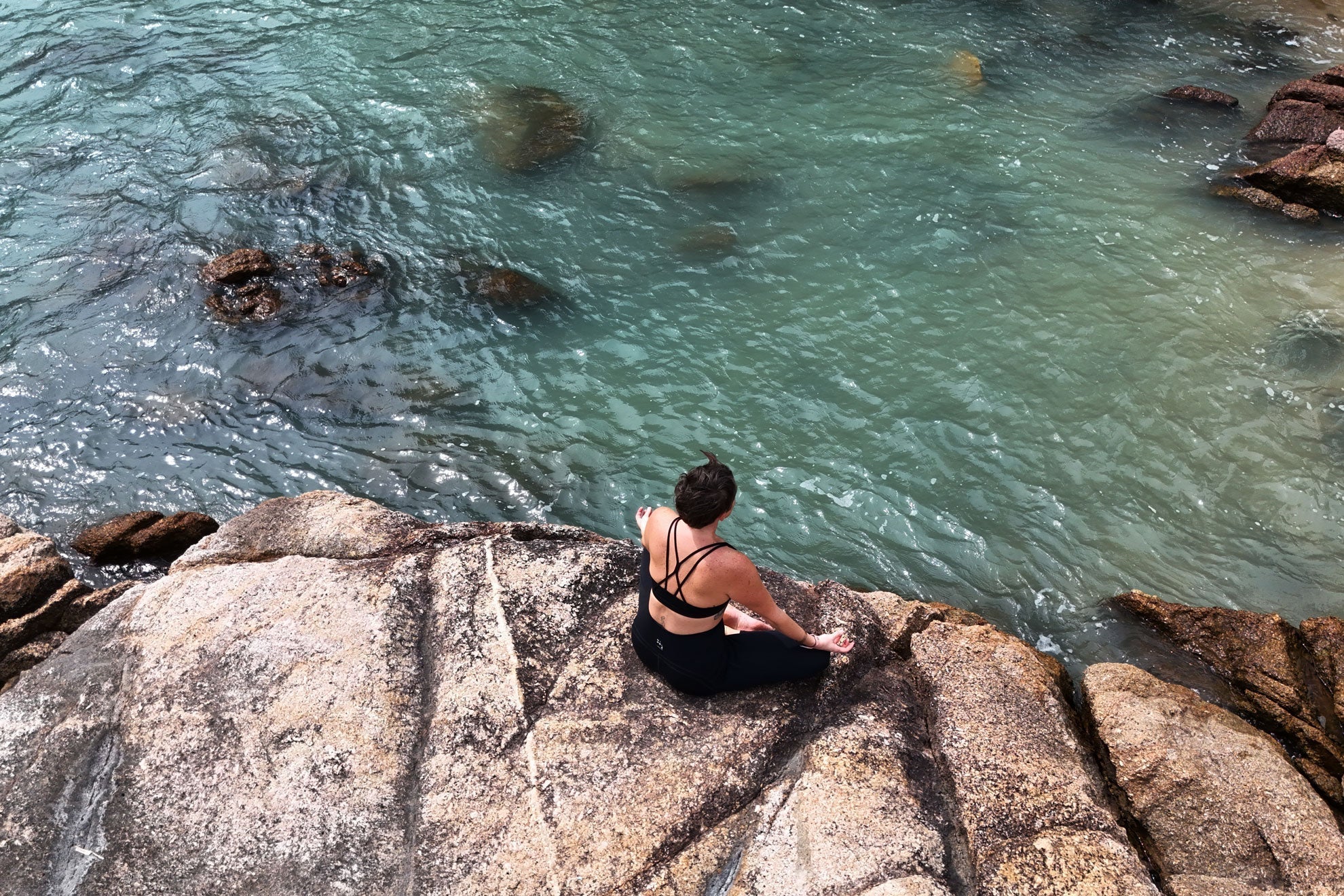
10 Mindful Practices for the Unravelling Soul (On the Go)
When we left our work/life roles, I thought the hardest part would be the logistics. I quickly learned that the true challenge is the unravelling of the "doing" mind. Here are ten practices I’ve gathered from the road that you can do anywhere.
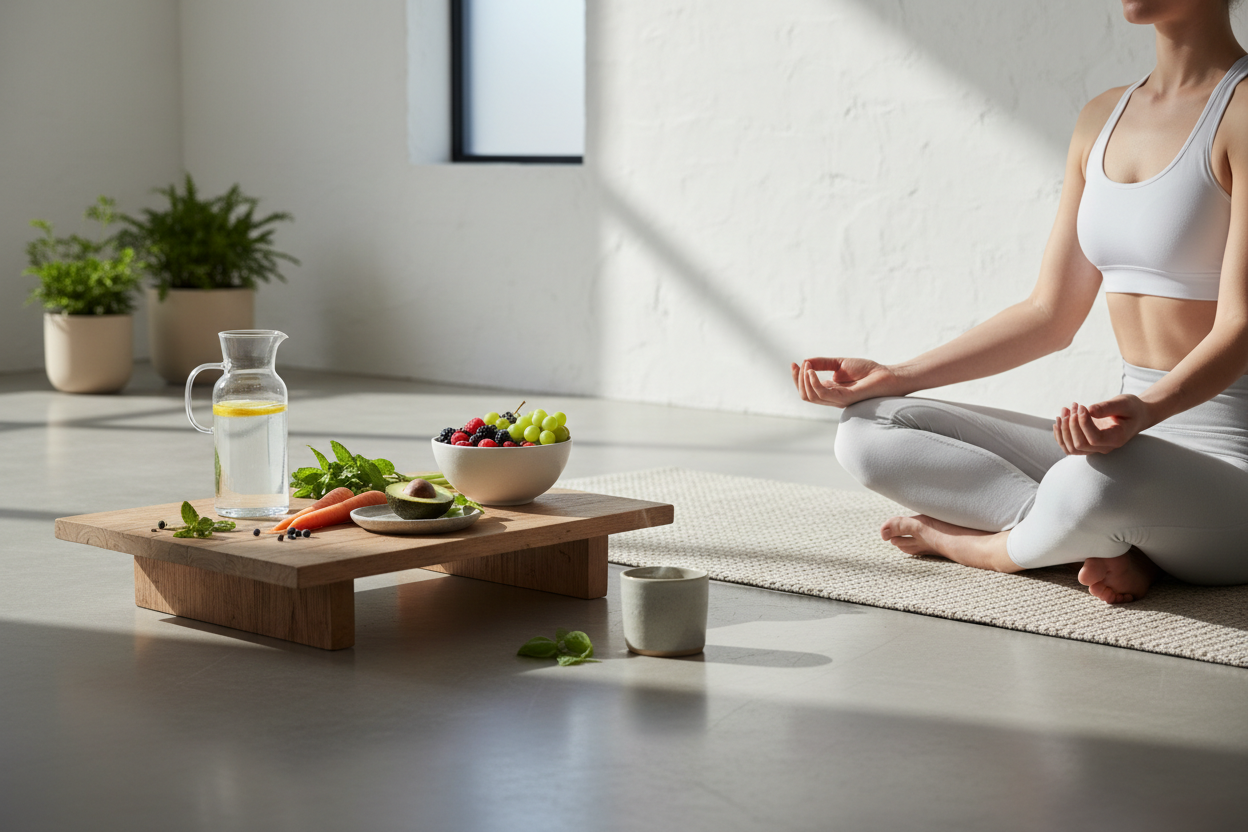
Softening the New Year: A Devoted Approach to Wellness
This isn’t a fitness routine. It isn’t a fad diet, calorie counting, or a 30-day reset. It’s something quieter, deeper, and far more sustainable. It’s a relationship. A relationship with your body, built on understanding rather than control.
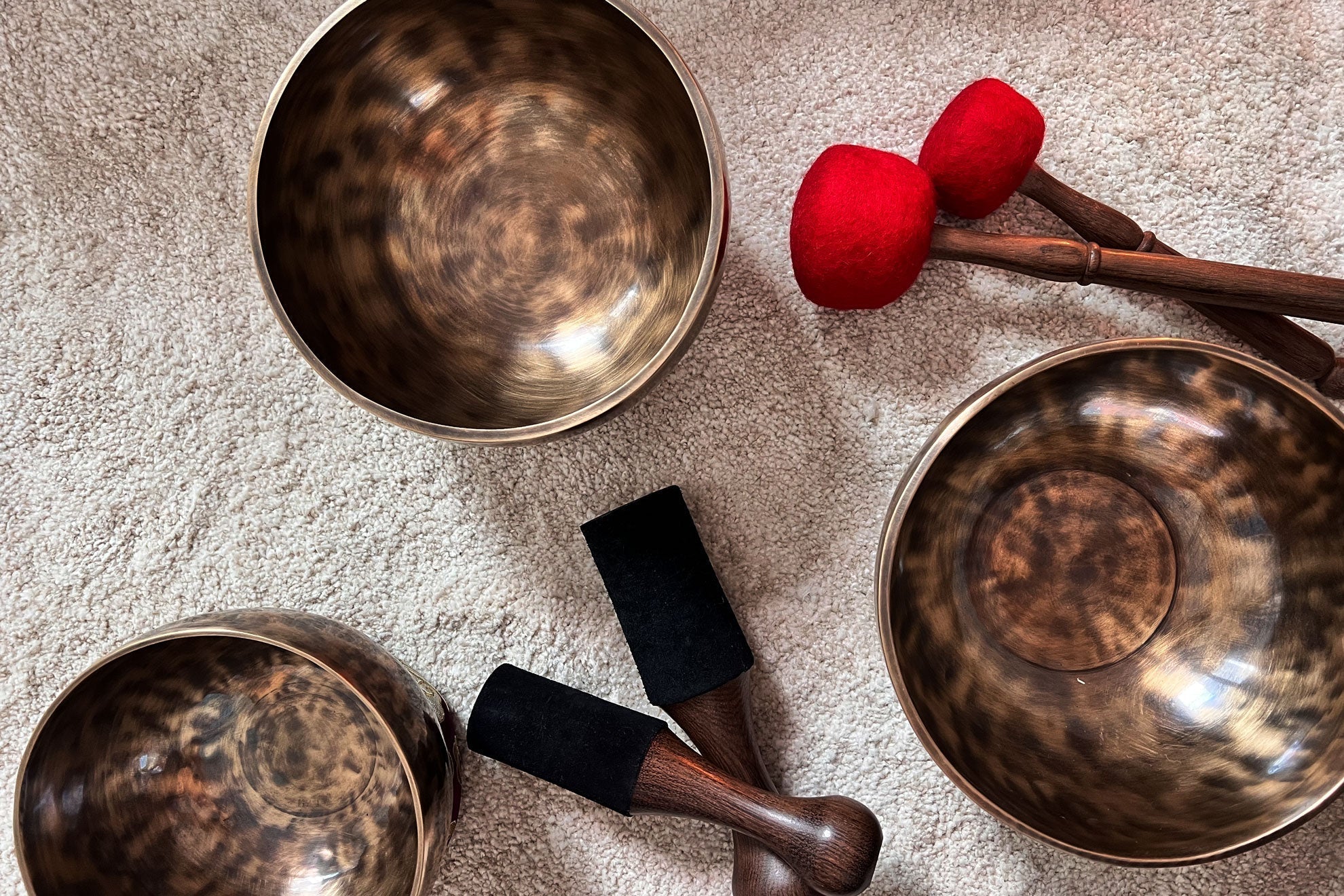
A Symphony of the Self: The Science and Soul of Sound Medicine
“Every illness is a musical problem—the healing, a musical solution.” In our modern world, we often perceive our bodies as solid, static structures. Yet, if we look closer—through the lens of both ancient wisdom and modern physics—we find that we are actually a symphony of oscillatory patterns. From the rhythmic beat of our hearts to the subtle hum of our cellular membranes, every cell, tissue, and organ in the human body possesses its own unique resonant frequency.

Seeing Desire for What It Really Is
We often look to others to decide what we want. We glimpse a moment in their life — a success, a lifestyle, a relationship - and imagine that having what they have will complete something in us. In truth, what we’re seeing is never the full picture. It’s a snapshot lifted out of a much longer, messier, deeply human story.

The Revelations Found in Astrology and Human Design
I’ve always believed that self-inquiry can be a portal. Sometimes that portal is meditation. Sometimes it’s heartbreak. Sometimes it’s travel, long and lonely and bewildering. But recently, it came in the form of something unexpected:Running my astrological birth chart and my human design through ChatGPT.

Removing the Habits That Keep You Stuck: Do A Habit Audit: Hard Questions, Small Changes, Big Shifts
We all have habits that serve us, and habits that don’t. The tricky part is: sometimes the ones that don’t serve are the ones we cling to because they feel familiar, safe, known. This post will guide you through an honest audit of your habits, apply research from behavioural psychology (including key ideas from Atomic Habits by James Clear) and offer a list of very practical, gradual changes you can make — changes you control, sustainable and within reach.

What You Consume Matters; Food, Ideas, Beliefs & The Story You Live
You are the creator of your experience. Everything you consume—food, ideas, thoughts, and beliefs —shapes not just your body, but also your brain, your mood, and your reality. We used to read stories that took us into imagined worlds. Today, we scroll through feeds hoping something will make us feel. However, passive consumption creates noise, doubt, and fragmentation. This blog invites you to become active and choose what you consume, so your mind, body, and spirit are lifted, not drained.

What Slowing Down Really Taught Me This Year: Coming Back to My Body, My Life and Myself
As this year comes to a close, I’ve been reflecting on what “slowing down” really ended up being for me. When I imagined it, I pictured beaches, sunrise yoga sessions, sunsets with salty hair, and the kind of inner peace that glossy wellness posts make look effortless. And yes, there were moments that felt like that. But most of the time, slowing down wasn’t glamorous. It was messy, humbling, grounding and honest. It looked like a compromise. It asked me to make choices I didn’t always expect. It made me meet myself in ways I had never truly allowed before.

Listening Beneath the Mind: Yogic Practices to Heal the Samskāras That Shape Our Lives
We all carry stories that feel so familiar they might as well be our own voice — the subtle doubts, the quiet assumptions, the emotional reactions that rise before we even have a chance to choose differently. In the yogic tradition, these inherited imprints are known as samskāras: subliminal impressions carved into us through repetition, experience and unexamined memory.

Lived Wellness: Moving Beyond Consumption to Everyday Being
In a world where wellness is often sold as “buy this product,” “subscribe to this service,” “follow this influencer,” it can feel like well-being is something external that you purchase. But what if true wellness was the opposite? Lived, found, built from the inside out, free and accessible. What if it wasn’t about what you buy, but what you do, what you think, what you become?

The Yogic Path of Remembering: Seeing Beyond Samskaras and Old Narratives
There are moments in life when you realise that what you are reacting to is not the situation in front of you, but the echo of something much older.A familiar sting.A tightening in the chest.A story your body remembers even if your mind has forgotten its origin.

Eating for Longevity: How Modern Science Confirms Ancient Wisdom
Beyond fad diets and marketing trends, both science and ancient Ayurvedic wisdom tell us the same truth: real, whole food can heal. Studies now show that balanced, minimally processed diets improve longevity, brain health, and emotional stability. Ayurveda has been teaching this for millennia: food is medicine, and the way we eat is a mirror of how we live.

Lived Wellness, Beyond the Thinking Mind
Food, thoughts, emotions: these are all attachments we can become addicted to, especially the ones that reinforce our worldview. We crave confirmation, whether through accolades, achievements, or approval for our choices. But that’s all they are, choices.

Yoga: Unlocking the Inner Technology of Consciousness
We often think of technology as something external — built, coded, controlled. Yet long before the hum of machines and the glow of screens, there existed another kind of technology: one that required no devices, only awareness. Ancient yogis discovered that within each of us lies an intricate network, a system of energy, emotion, and intelligence — capable of profound transformation when we learn how to access it.

Life Lessons in Your 30s: Wellness, Growth, and Finding Yourself Beyond the Surface
A reflection on wellness, wholeness, and the quiet lessons that keep arriving. Your thirties are a middle ground, old enough to know better, young enough to still test the edges. Somewhere between who you thought you’d be and who you’re becoming, life starts to whisper its truths. This is the decade when awareness deepens, priorities shift, and the surface begins to crack in the best possible way.

Meditations as Portals: Shifting the Mind, Soothing the Body
We spend much of our lives replaying the past, thoughts become familiar, feelings become habitual, and the body begins to live in cycles of memory. What feels like “just the way things are” is often simply a loop of remembered emotions.

Harness Your Energy with Yoga: Devotion, Breath, and Mindful Practice
Energy moves where attention flows. Both ancient yoga and modern science tell us this truth in different languages, yet the essence remains the same: what you focus on expands.

Beyond the Past: Rewriting the Stories We Live By
There comes a time when we begin to notice that the patterns repeating in our lives are not coincidences; they are mirrors. The way we love, react, protect ourselves, and withdraw often stems from stories we didn’t consciously choose. They are scripts written by earlier versions of ourselves, shaped by our experiences, emotions, and beliefs.

Learning to Trust Through Love
We often speak of love as something we either have or don’t, something we fall into or out of. Yet few of us pause long enough to consider its deeper purpose. What if love is not the destination, but the lesson itself?
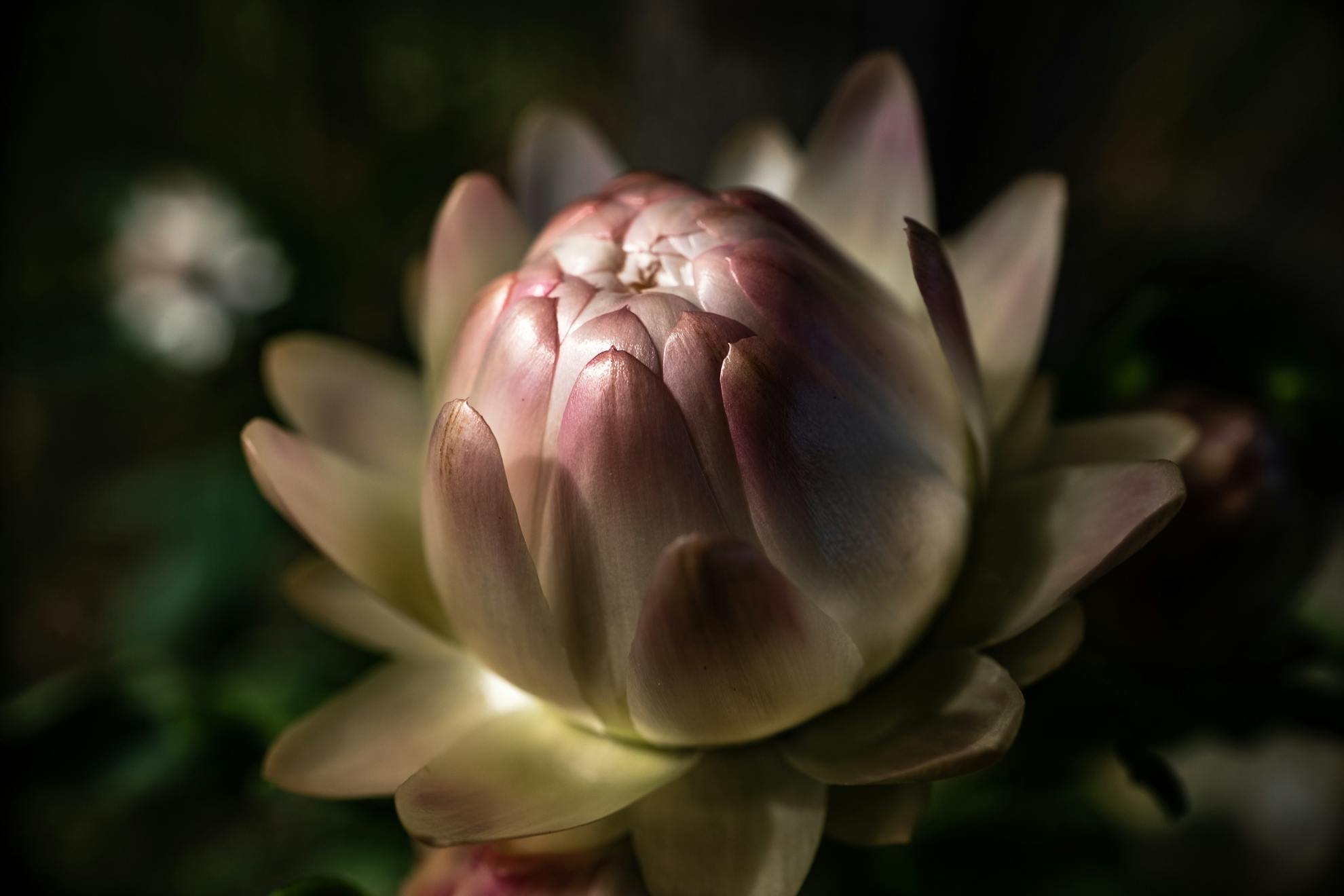
When People Show Up: Embracing Divine Timing and Connection
In the tapestry of our lives, certain individuals appear at pivotal moments, their presence seemingly orchestrated by forces beyond our comprehension. These encounters often feel serendipitous, yet within the framework of yogic philosophy, they are seen as manifestations of divine timing, guiding us toward growth and self-realisation.

Yoga as a Framework for Wholeness
Yoga has always been more than movement. Long before it became a practice of postures, it was described in the ancient texts as a complete framework for living with steadiness and clarity. The Yoga Sūtras of Patañjali remind us: “Yoga is the stilling of the fluctuations of the mind.” (Yoga Sūtras I.2)

Everyday Moments That Are Yoga (Without You Realising)
Yoga is often thought of as postures on a mat or quiet studio time. Yet the ancient texts describe it far more broadly, as a framework for cultivating steadiness, awareness, and presence in every aspect of life. The Yoga Sūtras tell us:

Saying No Without Guilt: Gentle Practices for Self-Respect and Balance
In times past, people could retreat into caves or forests in search of clarity, stepping away from the noise until answers arrived in silence. Today, life feels far less simple. We are constantly pulled in different directions, with advice, expectations, and ideas about wellness and success coming at us from all sides. Each day presents countless small choices: what to eat, how to spend our time, who we spend it with, and even how we speak up for ourselves. Learning to say no with kindness and without guilt is not just about the big decisions; it’s about honouring these small choices, nurturing self-respect, and creating balance in everyday life.
The Multi-Dimensions of Wellness Part 2: A Gentle Guide to Living Well

On Retreat with Your Yoga Teacher: A Journey Back to Yourself
I have been practising yoga for about eight years and teaching for the past eighteen months. When I finally felt it was my time to guide others along the yogic journey, I also knew that my own practice was far from finished. My curiosity and hunger for growth led me to immerse myself in three Moksha Yoga Teacher Trainings. After completing my 200-hour training in Bali in January 2024, I continued with a 110-hour Meditation Teacher training, and then dove into Yin and Sound Medicine simultaneously.
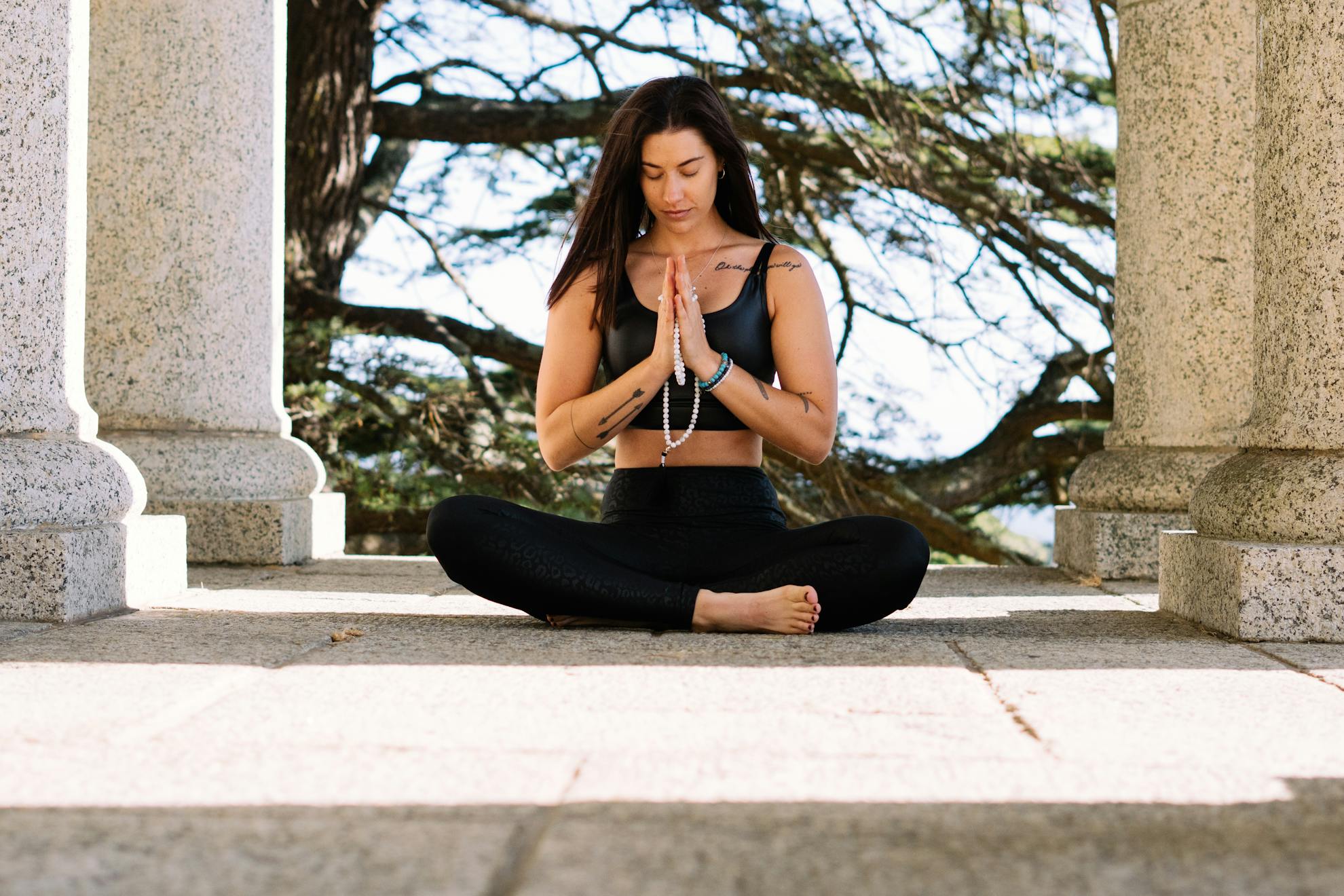
Yoga as Life’s Lens: Reflections on Autobiography of a Yogi
Paramahansa Yogananda’s Autobiography of a Yogi is more than a spiritual memoir; it’s an invitation to see life through the lens of the soul. In his telling, the extraordinary becomes accessible, not as far-off miracles but as a way of living rooted in self-awareness, discipline, and love.

20 Reflections from The Surrender Experiment by Michael A. Singer
I read The Surrender Experiment just days after walking away from my corporate job, twelve months into the unknown. No guarantees, no structured plan. Just a quiet knowing that something had shifted.

The Honest Truth About Travel
Yes, I’ve been to some incredible places over the last few months. But what I’ve realised is that when you don’t have a “home” to go back to, or more importantly, no clear end date, even the most remarkable experiences begin to feel… normal. And normal, when stretched too long, loses its magic.

20 Moments from The Untethered Soul by Michael A. Singer
A journey inward to awareness, stillness and freedom. Some books arrive like whispers. Others arrive as gifts. For me, The Untethered Soul was both.

Wellness Beyond the Surface: Living the 8 Limbs of Yoga in Daily Life
In the modern wellness world, the surface often appears to be a glow: luminous skin, green smoothies, gym schedules, lymphatic drainage, and cold plunges. And while all of these can support well-being, they don’t touch the deeper layers of what it means to be well.

Self-Love Isn’t What You Think: It’s an Inner Homecoming
There’s a common belief in the wellness world that everything begins with self-love. But I’ve come to learn that it’s not always true. You don’t need to force love upon yourself, or convince yourself that you are worthy, or even forgive yourself first to love yourself. And while an at-home facial or a scented candle might offer a moment of stillness, they aren’t the same as true self-love. I’m talking about the kind of quiet recognition that lives deep within you, the inner knowing that you are already loved, already whole.

How You Can Build a Nervous System-Supportive Routine
A personal guide to tuning in, slowing down, and finding your way back to yourself. There’s no one-size-fits-all when it comes to nervous system support.It’s not about following a strict wellness checklist or chasing perfection — it’s about tuning into your own rhythms, your own seasons, and your own signals.

Returning to Ourselves: The Tiny Shifts That Make Us Human, The Unexpected Joy of a Stuck Song
Something remarkable happened to me the other day. It won’t sound impressive to you, but I found it profoundly telling about my current mental capacity compared to where I was a few months ago. I got a song stuck in my head. I know it sounds so basic, but I do not remember the last time something as pedestrian as this happened to me. My mind is used to running about 100 mph with so many pointless things: the self-narration, the criticisms, the to-do list, the judging, the what-ifs, the wondering what was meant by something someone said. It’s all just noise. None of it matters. Not really.

A New Era of Travel: Where Wellness, Luxury, and Digital Influence Intertwine
There was a time when wellness travel felt like a luxury reserved for the few. A distant dream of remote retreats, all-inclusive spas, and Instagrammable jungle sanctuaries. But something has shifted. Wellness is no longer a destination; it’s a way of travelling, of seeing, of being. And now, it’s becoming more accessible, more intentional, and more beautifully human.

Yoga as Remembering
When I look at the modern world of yoga, I see familiar patterns: the yoga studio, the teacher, the aspirational "yoga body." Much of the messaging circles around self-improvement. But the deeper message, the one that stayed with me through all my trainings, is that yoga isn’t about becoming someone new. It’s about remembering who you've always been.

Finding Home on the Mat: My 6 Week Journey at Alchemy Yoga Ubud
A Return to Self, Through Movement and Community. It’s been six wonderful weeks of daily practice at Alchemy Yoga & Meditation Centre in Ubud. Six weeks of breath, sweat, stillness, and subtle transformation. We chose this space instinctively, drawn back by the magic of the Alchemy café, which we first fell in love with eight years ago. The yoga studio felt like a natural extension of that same energy: nourishing, grounded, and open-hearted.

Leaving Again, This Time It’s Different
We left Bali today after two wonderful months of getting to know ourselves again. That might sound odd, but when you’ve lived in survival mode for so long, it’s impossible to know who you are beneath the armour—armour that’s protected you from chaos, but also from truth. Truth like: you were ticking boxes, going through motions, cohabiting with someone who was quietly slipping into sadness. And truthfully, the silence about that sadness made it hard to distinguish what was "normal" from what was drowning.

What Do You Truly Value?
This is a gentle invitation to explore worth beyond work and wealth, going deeper into what it means without the cultural lens that you sit behind, the one determined by your place in the world, physically, metaphorically, familiarity, etc.
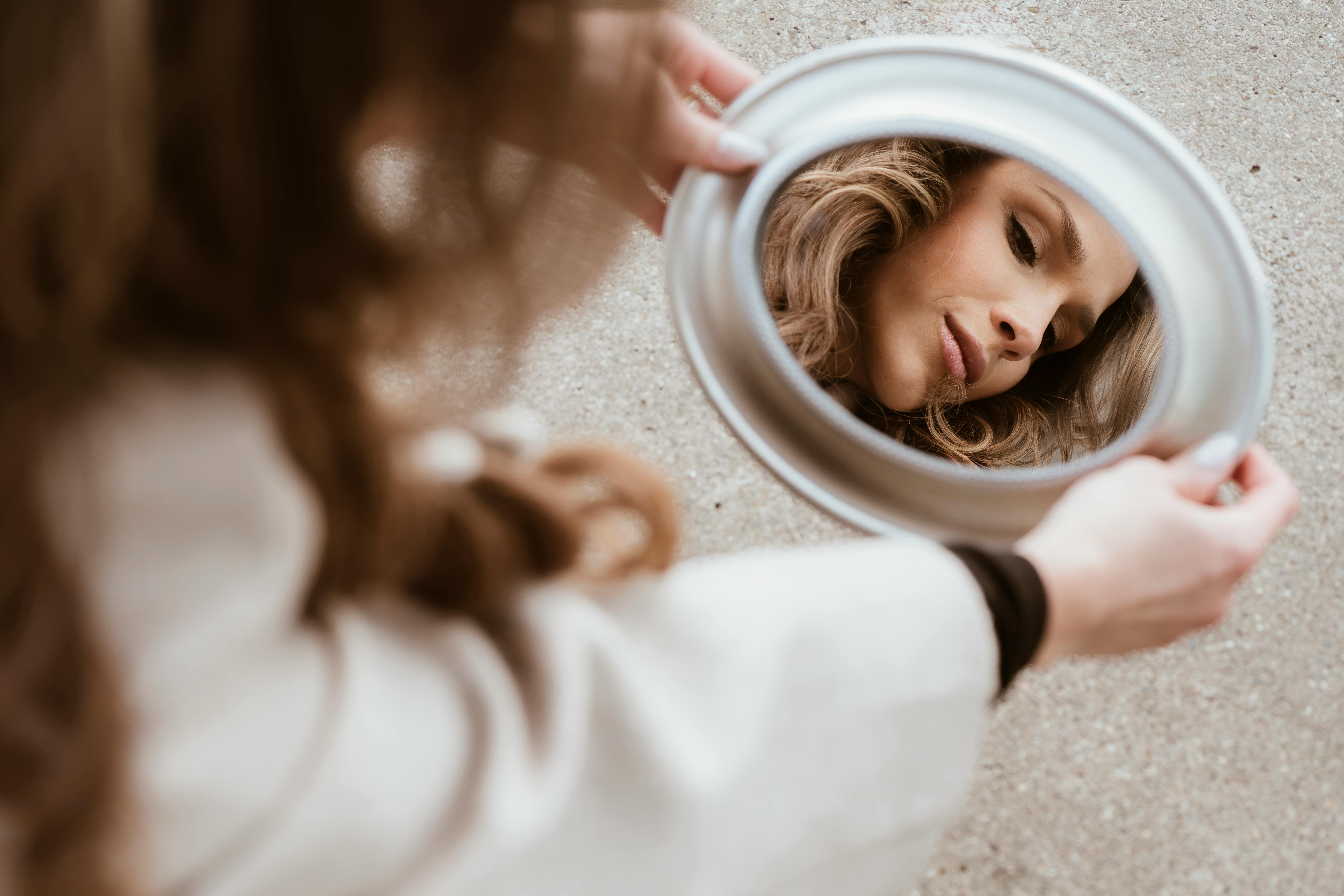
Learning to Sit With Yourself (and Everyone Else Too)
Regulating our emotions is a journey. You might be someone who feels deeply. Who notices the shift in the room when someone else enters. Who picks up on unspoken tensions, unmet needs, and unsaid apologies. You might be empathetic, curious, creative—and sometimes, exhausted. You may have learned to manage your emotions with a certain grace, yet still find yourself undone by the sudden sharpness of disappointment or frustration.