Daily Practice
39 articles

Where to Begin When Starting Over Feels Overwhelming: A Gentle Guide
Someone asked me recently: how do you know when you're ready to start over? And my honest answer was: you usually don't. You start before you're ready, because the alternative, staying still in something that no longer fits, has finally become more uncomfortable than the fear of moving.
More tagged “Daily Practice”

Meditation Myths Debunked: How to Actually Begin (Or Begin Again)
I have lost count of how many people have told me they can't meditate. Sometimes they say it with a kind of proud resignation, I've tried, I'm just not that kind of person. Sometimes, with a frustration that suggests they genuinely wanted it to work. Sometimes with a faint embarrassment, as though they've failed at something that seems to come easily to everyone else.

The Architecture of Awareness: Using Yoga as a Framework for Self-Study
Self-awareness is rarely accidental. It is built: slowly, deliberately and through practice. What drew me to yoga was movement. What kept me there was something far less visible: the framework it offered for understanding myself.

Navigating Difficult Times With The Right Internal Support
Lately, I have been thinking about the ways we outsource our wellness. We seek advice. We ask for reassurance. We hand our experiences over to others to interpret. And sometimes that is necessary. Reflection and projection are powerful tools; being witnessed in our struggles can soften their edges. Community matters. Guidance matters.

A Softer Way to Begin: Introducing the Words & Contemplations Podcast
Words & Contemplations starts her podcast journey, bringing you blogs in audio format as well as meditations, gentle practices and talks. Come along for the journey; we'd love to have you tune in.

Sanctuaries of the Self: Finding Rhythm and Ritual on the Road
Travel has a way of unravelling us. It stretches our boundaries and expands our horizons, but in the movement, we often lose the steady pulse of our daily rituals. After eight months on the road, I’ve realised that protecting your practice isn’t about rigid adherence to a schedule; it’s about finding the spaces that help you return to yourself—the ones that feel less like a workout and more like medicine.

Removing the Habits That Keep You Stuck: Do A Habit Audit: Hard Questions, Small Changes, Big Shifts
We all have habits that serve us, and habits that don’t. The tricky part is: sometimes the ones that don’t serve are the ones we cling to because they feel familiar, safe, known. This post will guide you through an honest audit of your habits, apply research from behavioural psychology (including key ideas from Atomic Habits by James Clear) and offer a list of very practical, gradual changes you can make — changes you control, sustainable and within reach.

The Yogic Path of Remembering: Seeing Beyond Samskaras and Old Narratives
There are moments in life when you realise that what you are reacting to is not the situation in front of you, but the echo of something much older.A familiar sting.A tightening in the chest.A story your body remembers even if your mind has forgotten its origin.

Lived Wellness, Beyond the Thinking Mind
Food, thoughts, emotions: these are all attachments we can become addicted to, especially the ones that reinforce our worldview. We crave confirmation, whether through accolades, achievements, or approval for our choices. But that’s all they are, choices.

Life Lessons in Your 30s: Wellness, Growth, and Finding Yourself Beyond the Surface
A reflection on wellness, wholeness, and the quiet lessons that keep arriving. Your thirties are a middle ground, old enough to know better, young enough to still test the edges. Somewhere between who you thought you’d be and who you’re becoming, life starts to whisper its truths. This is the decade when awareness deepens, priorities shift, and the surface begins to crack in the best possible way.

When Coming Home Feels Different: How Space, Change, and Perspective Shape What “Home” Means
Sometimes, stepping away from everything you know is the only way to truly see it.We all have places we’ve outgrown, or thought we had. The home that once felt heavy, the routine that seemed suffocating, the four walls that turned into a mirror for our restlessness. But what if it wasn’t the place holding you back? What if it was what you carried inside it?
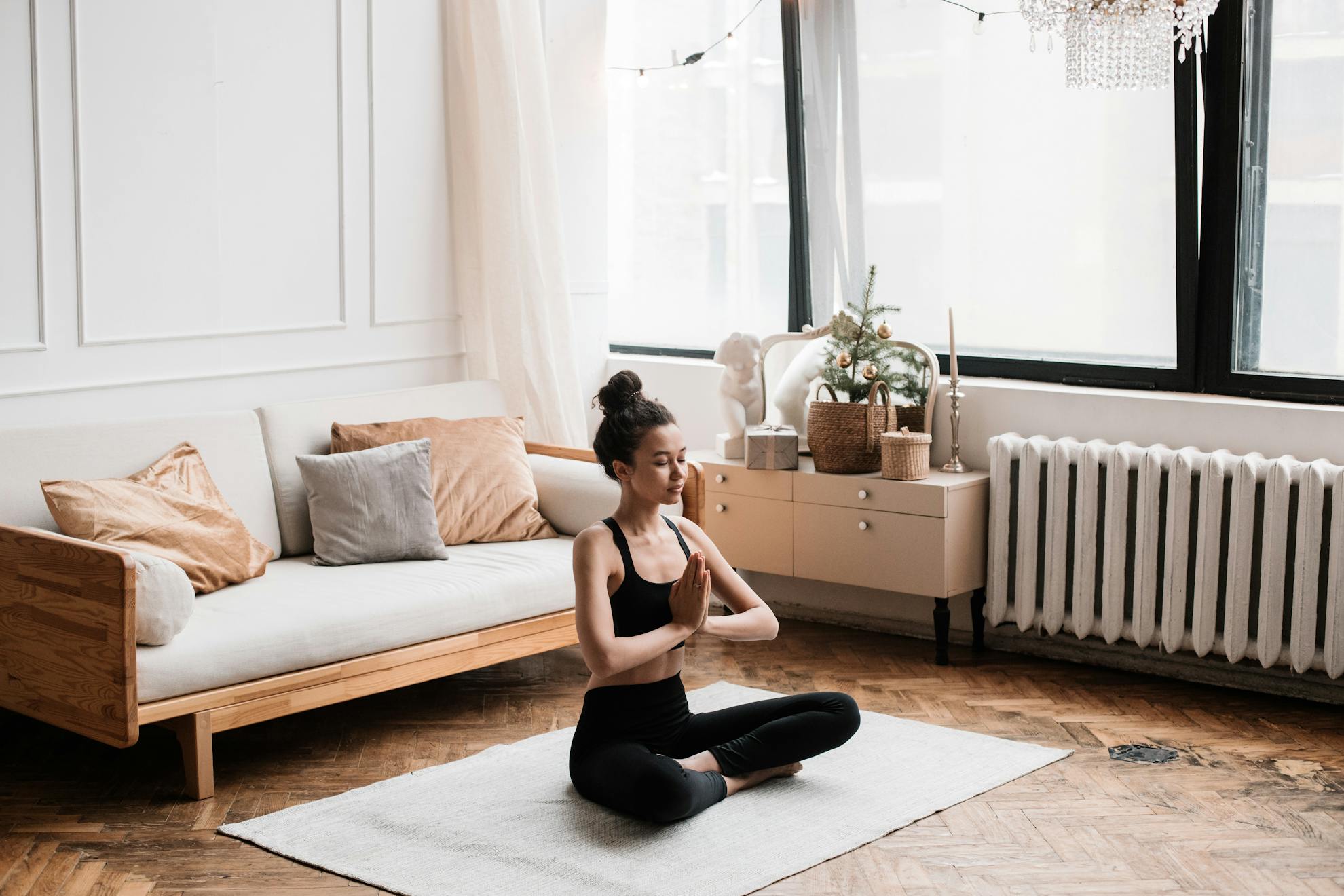
Meditations as Portals: Shifting the Mind, Soothing the Body
We spend much of our lives replaying the past, thoughts become familiar, feelings become habitual, and the body begins to live in cycles of memory. What feels like “just the way things are” is often simply a loop of remembered emotions.

Beyond the Past: Rewriting the Stories We Live By
There comes a time when we begin to notice that the patterns repeating in our lives are not coincidences; they are mirrors. The way we love, react, protect ourselves, and withdraw often stems from stories we didn’t consciously choose. They are scripts written by earlier versions of ourselves, shaped by our experiences, emotions, and beliefs.

Learning to Trust Through Love
We often speak of love as something we either have or don’t, something we fall into or out of. Yet few of us pause long enough to consider its deeper purpose. What if love is not the destination, but the lesson itself?
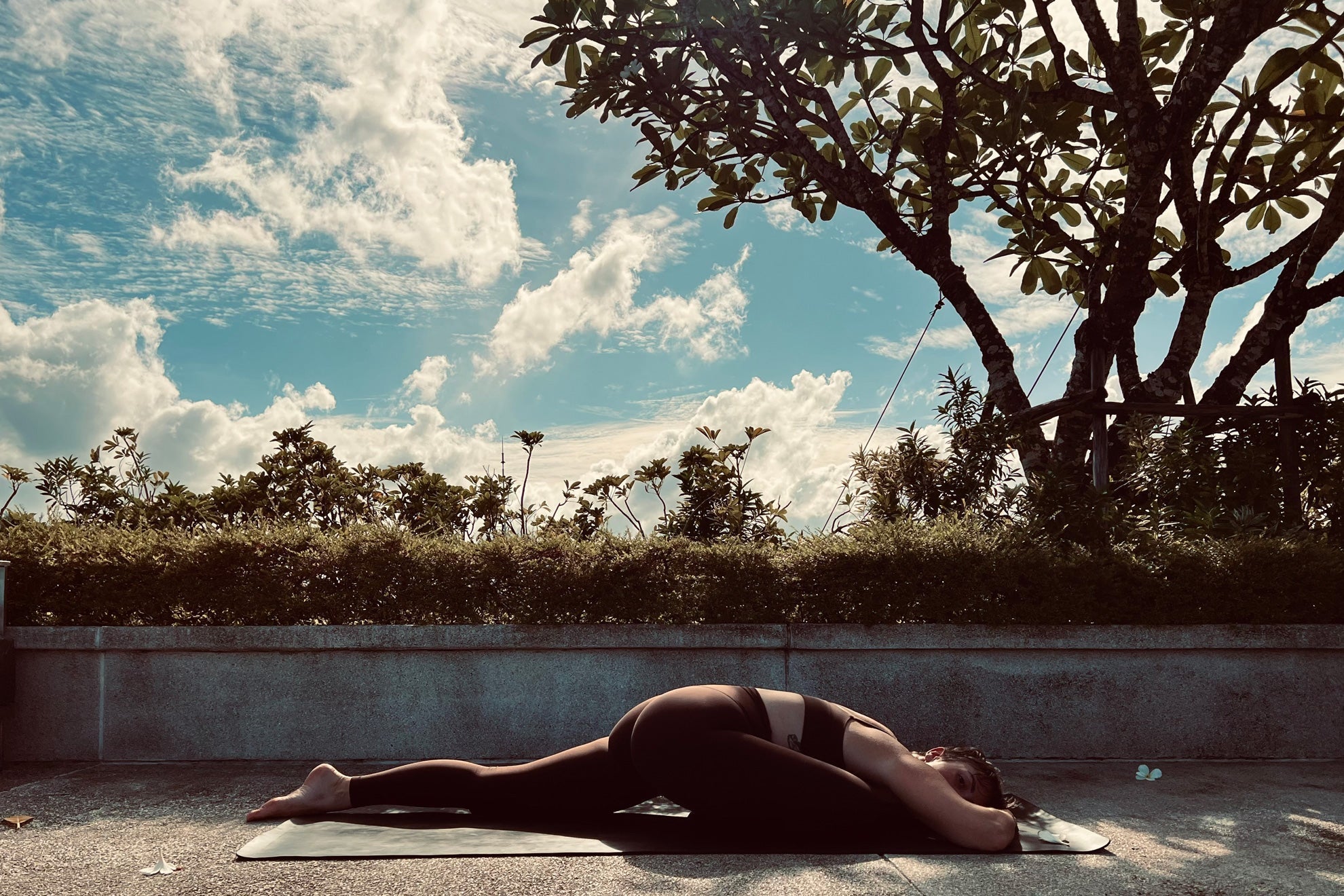
The Things I thought I needed (and what I actually found)
When I set out on what I half-jokingly called my adult gap year, I had a very clear picture of what I was chasing. I wanted adventure. Something new every day. A change of scenery. Access to incredible things for my photography.

Yoga as a Framework for Wholeness
Yoga has always been more than movement. Long before it became a practice of postures, it was described in the ancient texts as a complete framework for living with steadiness and clarity. The Yoga Sūtras of Patañjali remind us: “Yoga is the stilling of the fluctuations of the mind.” (Yoga Sūtras I.2)
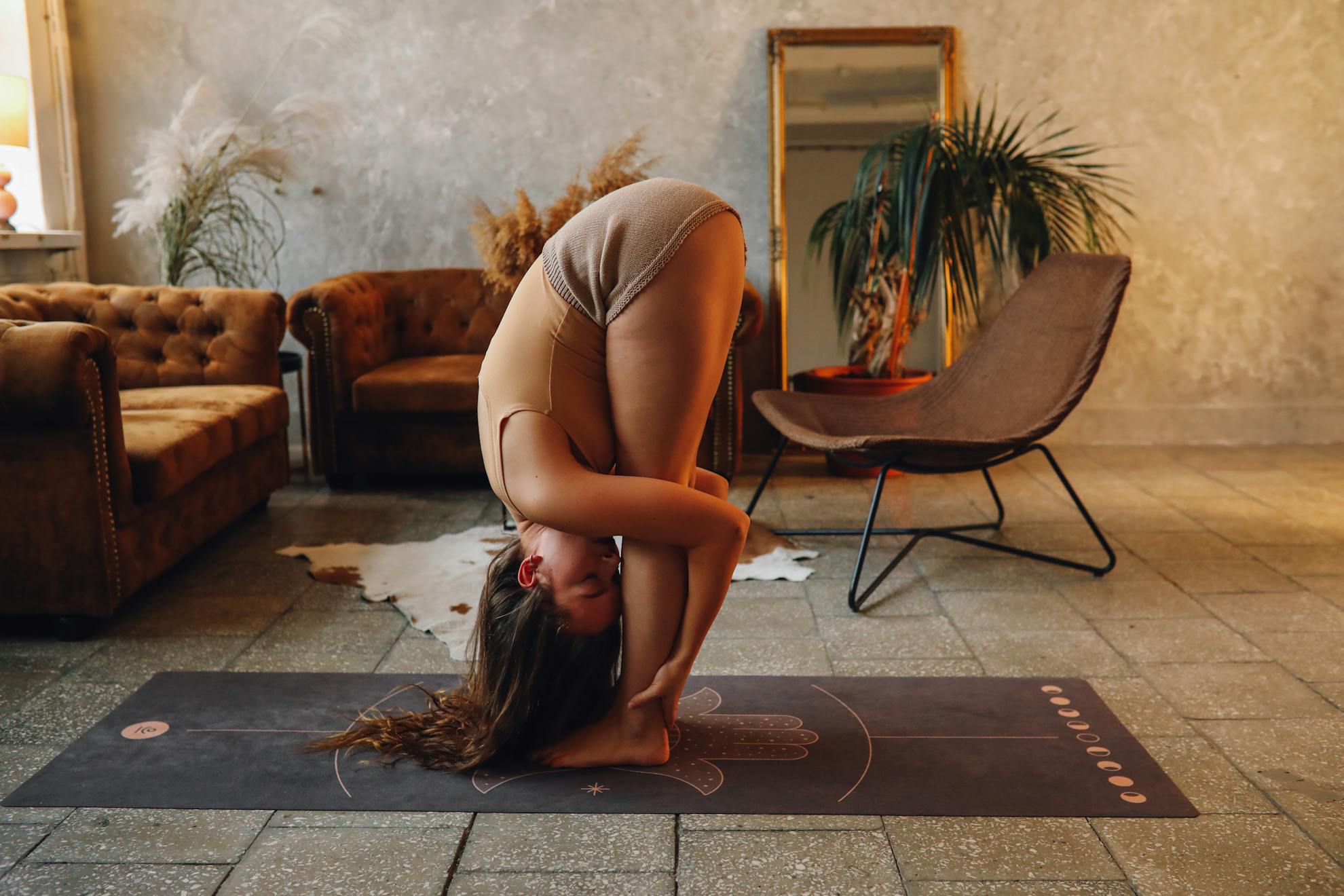
Everyday Moments That Are Yoga (Without You Realising)
Yoga is often thought of as postures on a mat or quiet studio time. Yet the ancient texts describe it far more broadly, as a framework for cultivating steadiness, awareness, and presence in every aspect of life. The Yoga Sūtras tell us:
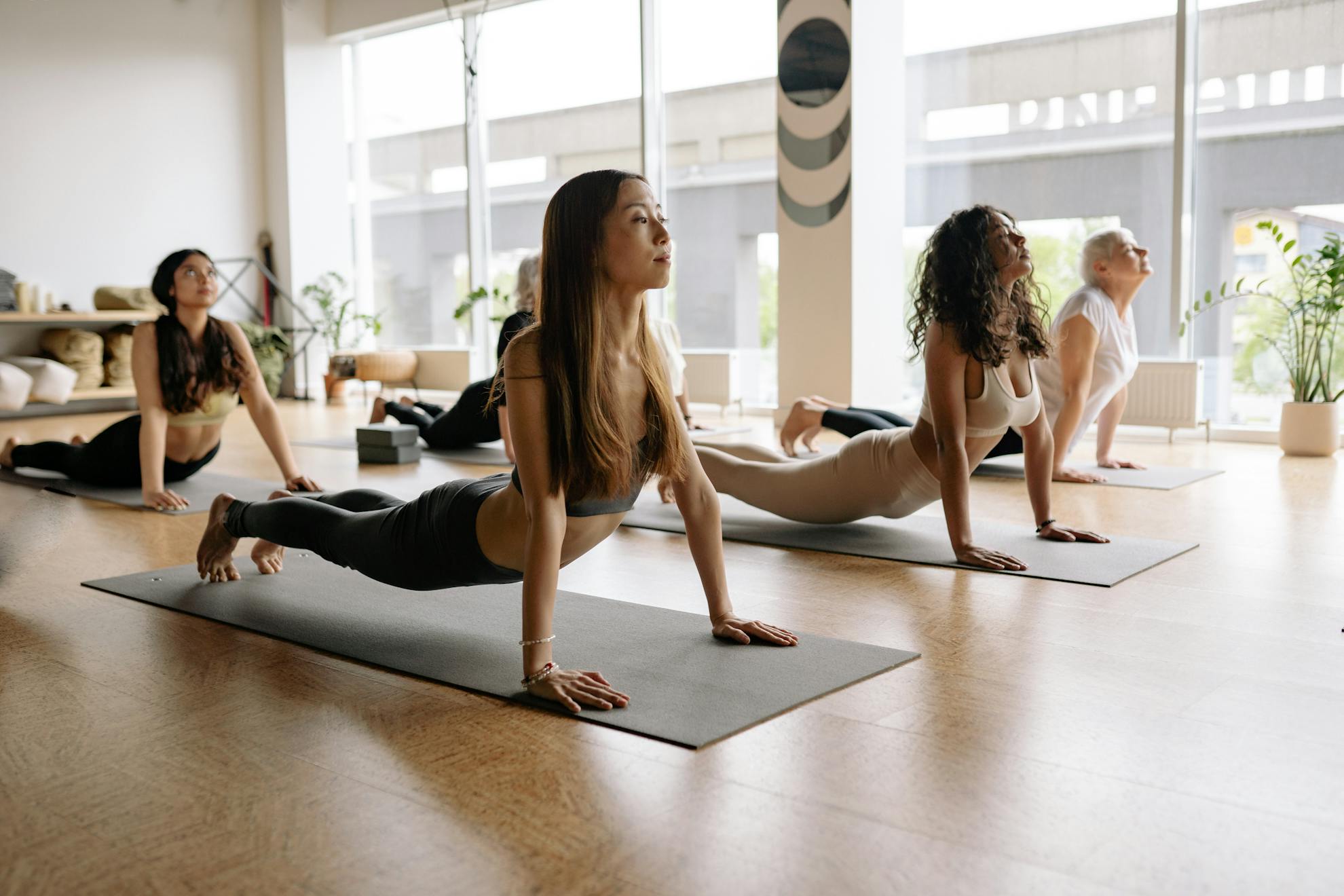
Transformation: What It Is and Why Yoga Retreats Promise It
Transformation is a word we see everywhere these days, especially on retreats. But what does it really mean? And why are so many retreats offering it as part of their experience?

Saying No Without Guilt: Gentle Practices for Self-Respect and Balance
In times past, people could retreat into caves or forests in search of clarity, stepping away from the noise until answers arrived in silence. Today, life feels far less simple. We are constantly pulled in different directions, with advice, expectations, and ideas about wellness and success coming at us from all sides. Each day presents countless small choices: what to eat, how to spend our time, who we spend it with, and even how we speak up for ourselves. Learning to say no with kindness and without guilt is not just about the big decisions; it’s about honouring these small choices, nurturing self-respect, and creating balance in everyday life.

On Retreat with Your Yoga Teacher: A Journey Back to Yourself
I have been practising yoga for about eight years and teaching for the past eighteen months. When I finally felt it was my time to guide others along the yogic journey, I also knew that my own practice was far from finished. My curiosity and hunger for growth led me to immerse myself in three Moksha Yoga Teacher Trainings. After completing my 200-hour training in Bali in January 2024, I continued with a 110-hour Meditation Teacher training, and then dove into Yin and Sound Medicine simultaneously.
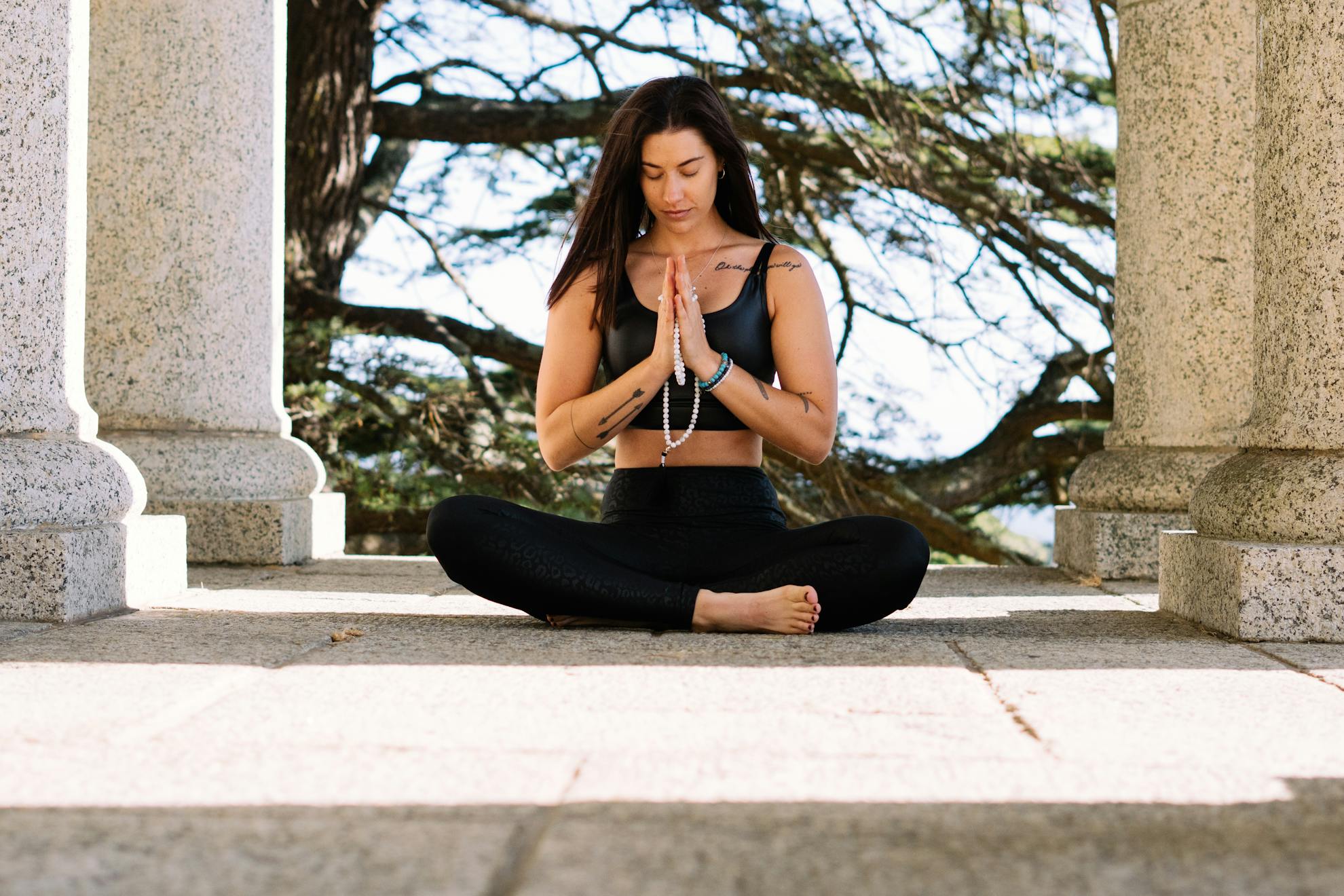
Yoga as Life’s Lens: Reflections on Autobiography of a Yogi
Paramahansa Yogananda’s Autobiography of a Yogi is more than a spiritual memoir; it’s an invitation to see life through the lens of the soul. In his telling, the extraordinary becomes accessible, not as far-off miracles but as a way of living rooted in self-awareness, discipline, and love.

20 Reflections from The Surrender Experiment by Michael A. Singer
I read The Surrender Experiment just days after walking away from my corporate job, twelve months into the unknown. No guarantees, no structured plan. Just a quiet knowing that something had shifted.

20 Moments from The Untethered Soul by Michael A. Singer
A journey inward to awareness, stillness and freedom. Some books arrive like whispers. Others arrive as gifts. For me, The Untethered Soul was both.

Packing Wellness: A Conscious Approach to the Way We Travel
There’s a certain beauty in packing not just clothes or chargers, but your rituals. A yoga mat, a journal, snacks that feel good, shoes that let you walk for miles — these are tools that shift travel from hectic to healing.
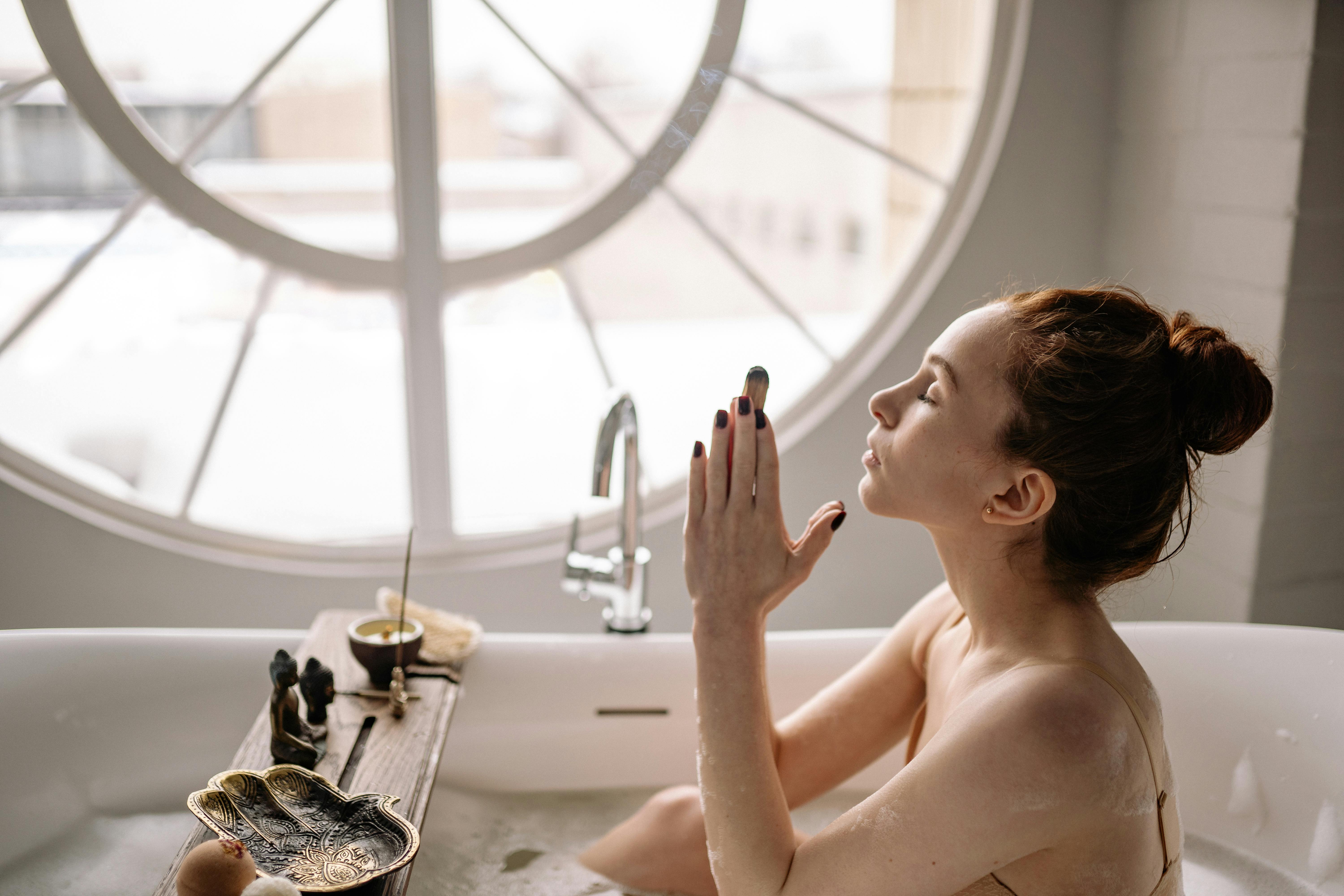
Rituals in Motion: How to Make Wellness a Habit, Anywhere
Wellness doesn’t begin and end in your home or at the studio or gym you belong to. It can be a mindset you can carry, a ritual you can roll out wherever you land. From morning breathwork on a balcony to journaling beside a window in a new city, the rituals that sustain you can become part of the way you travel, work, and live.
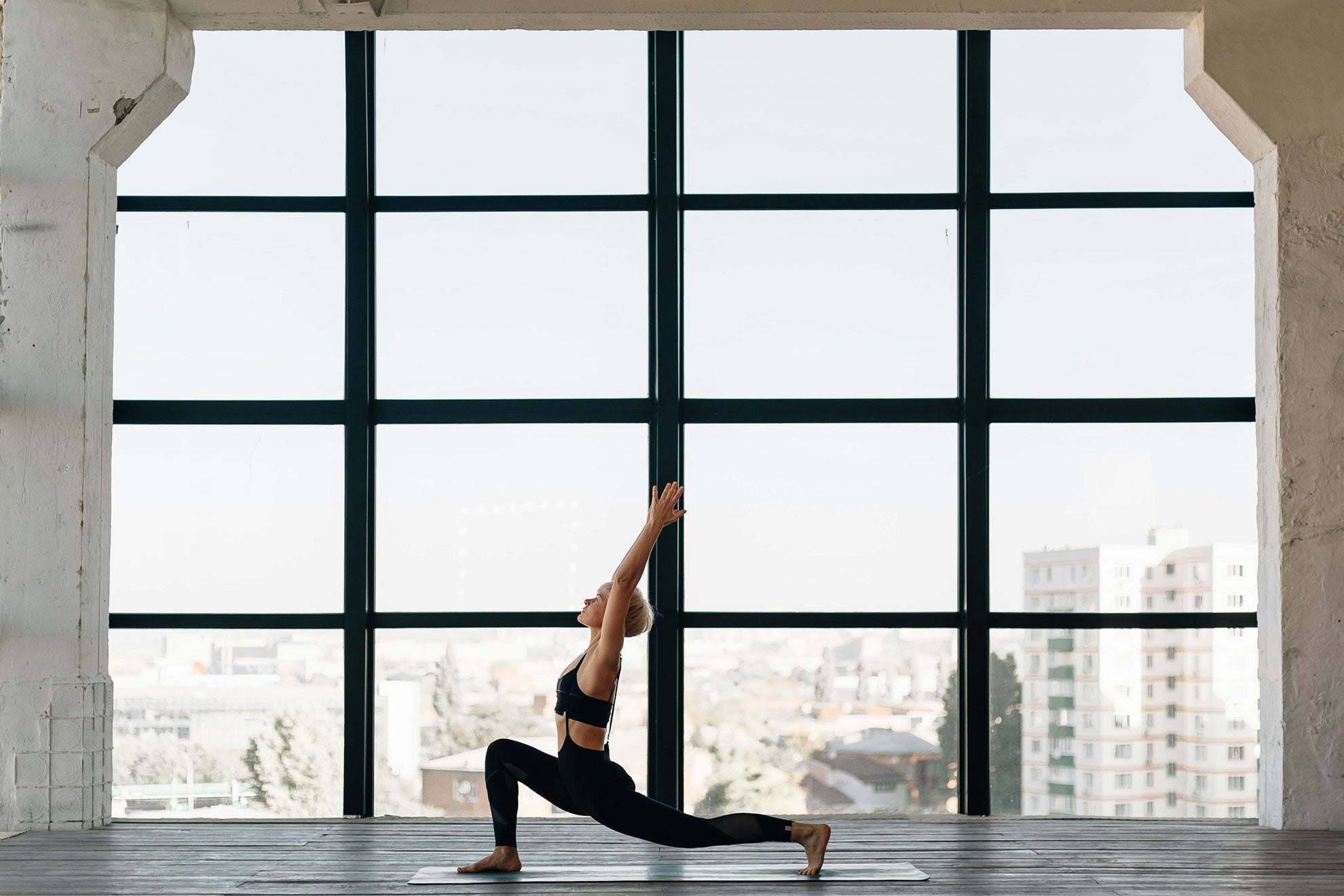
Yoga as Remembering
When I look at the modern world of yoga, I see familiar patterns: the yoga studio, the teacher, the aspirational "yoga body." Much of the messaging circles around self-improvement. But the deeper message, the one that stayed with me through all my trainings, is that yoga isn’t about becoming someone new. It’s about remembering who you've always been.

What I Didn’t Do in Bali This Time
Or, what happened when I threw out the itinerary and finally listened to that quiet inner voice. This isn’t an anti-blog. It’s not a rebellion against to-do lists, or a rejection of all the amazing things Bali has to offer. It’s simply an invitation to do things your own way.

What Travel Taught Me About Letting Go: A Journey Beyond the Itinerary
We’ve been in Vietnam for 12 days, and I’d be lying if I said it’s been plain sailing. After the peace we found in Bali, this rhythm of packing up and moving every 4–5 days feels tedious. There was something grounding about our daily yoga practice there, something magical in the stillness that gave our time structure and soul. Now, without that anchor, we find ourselves drifting, disoriented and restless.
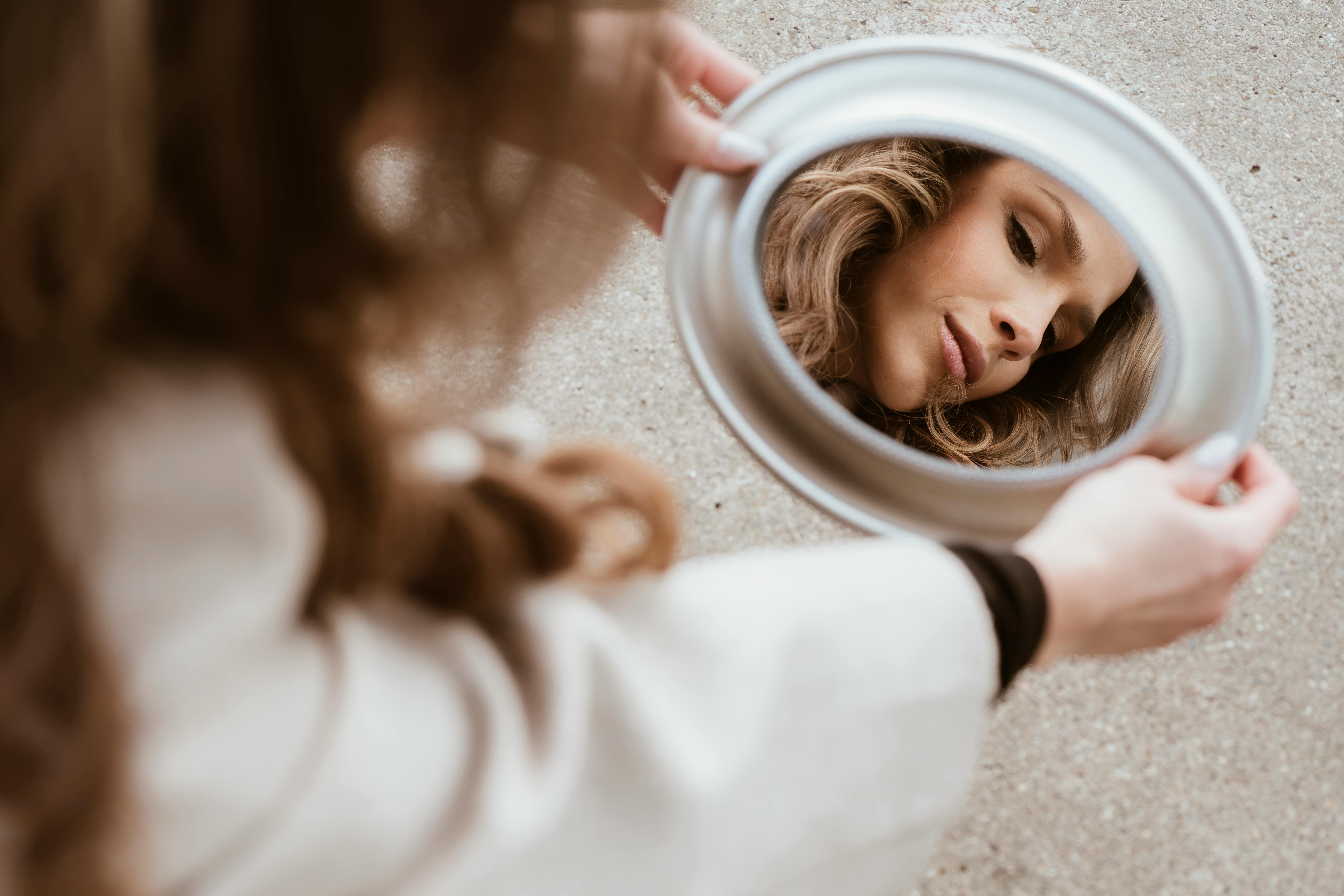
Learning to Sit With Yourself (and Everyone Else Too)
Regulating our emotions is a journey. You might be someone who feels deeply. Who notices the shift in the room when someone else enters. Who picks up on unspoken tensions, unmet needs, and unsaid apologies. You might be empathetic, curious, creative—and sometimes, exhausted. You may have learned to manage your emotions with a certain grace, yet still find yourself undone by the sudden sharpness of disappointment or frustration.

19 Free Ways to Feel More Connected to Yourself
In a world that constantly demands our attention—from deadlines and devices to the never-ending to-do lists—it’s easy to drift away from ourselves. But coming home to yourself doesn’t require a retreat or a spa day. (Although you should do these things too.) Sometimes, it doesn’t need to cost anything. Sometimes, it’s about the smallest gestures—things we can do right now, wherever we are, to re-centre, ground, and feel more us again.

9 Books For Psychological & Spiritual Growth
It’s all about finding the right book at the right time. I have said it before, but it is taking on a life of its own; every time I get to the end of a book, I am a little more open, a little further along my path and a little deeper into my journey. These recommended books combine philosophy, ancient wisdom, spirituality, meditation, health and well-being. It’s an incredible reading list and I wanted to share it with you.

20 Small Shifts for a Wholehearted Life
Simple, soulful ways to feel more grounded — right where you are. Living well doesn’t have to be expensive. In fact, some of the most powerful lifestyle changes cost nothing at all — just attention, intention, and a willingness to show up for yourself.
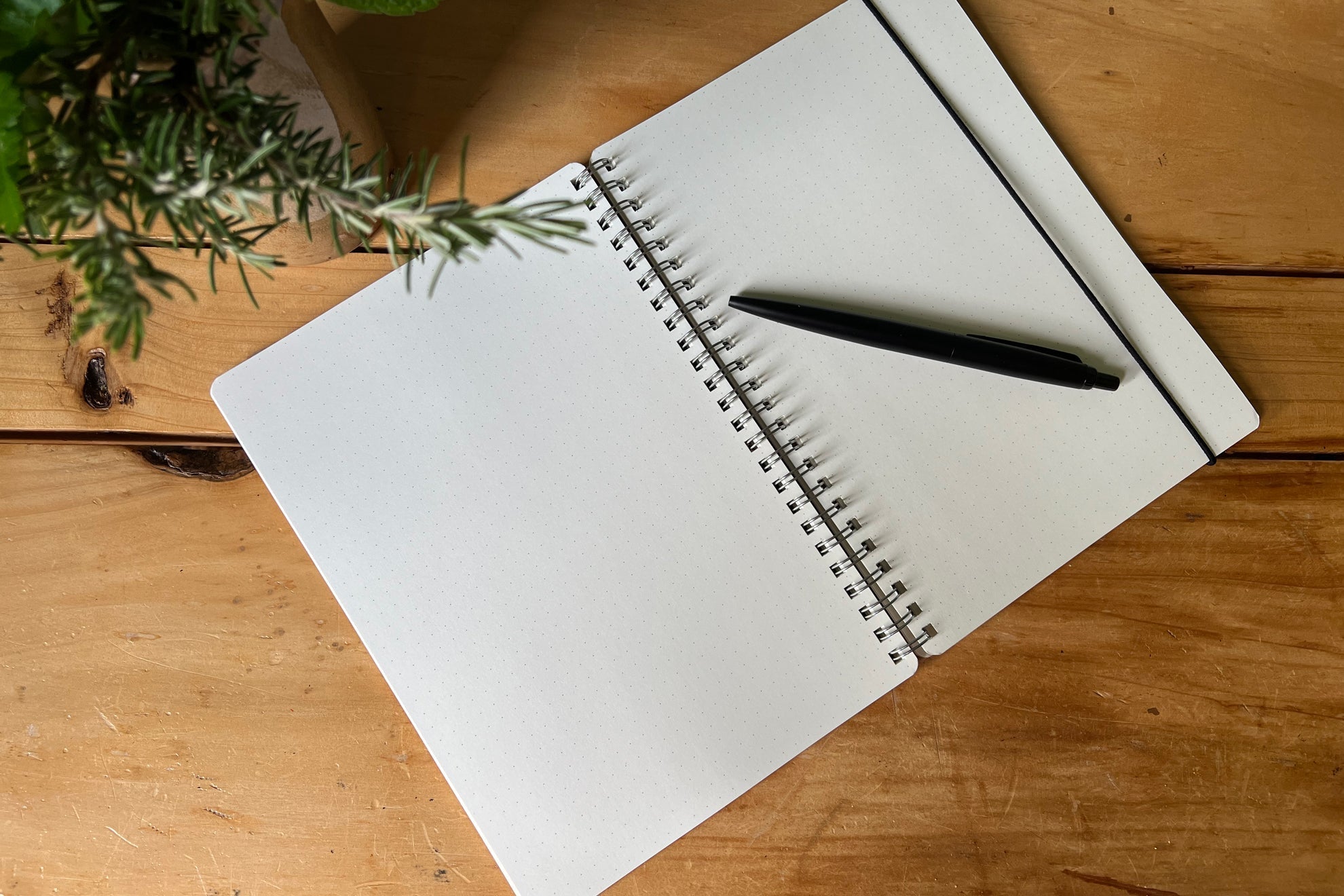
The Power of Journaling
Writing regularly is something that is said to free the mind, to process one's thoughts, to download the noise. For some, it is a collection of thoughts that were, in the moment of writing important. For others, it's a way of making sense of the hundreds of thoughts we carry every day.

10 Quick & Easy Ways To Feel Grounded
Everyone you meet in this world of ours has some form of anxiety, fear or stress that will show up in their body and most of us do not know what it is. It might be butterflies, headache, dizziness, feeling overwhelmed or some other sense of unease. Whatever it is that your body does to send you a signal, here are a few simple tricks that you can use anywhere, to feel grounded.

Sensitivity and Introversion - Susan Cain's book Quiet
The overarching message that I got from this book was that you can unleash the power in the quiet and learn to be more of yourself in the not-so-quiet. Social and other so-called extroverted activities are learnable skills that can be scaled gradually so all introverts can enjoy both the solace and the social, in a setting and environment that nurtures them. It’s ok to be the person looking for the most interesting conversation in the room,

Acai & Blueberry Antioxidant Smoothie
Starting the morning of right is something we all know to be beneficial, whether it's the right attitude or the right breakfast, I like to think both can be found in an Acai & Blueberry smoothie.
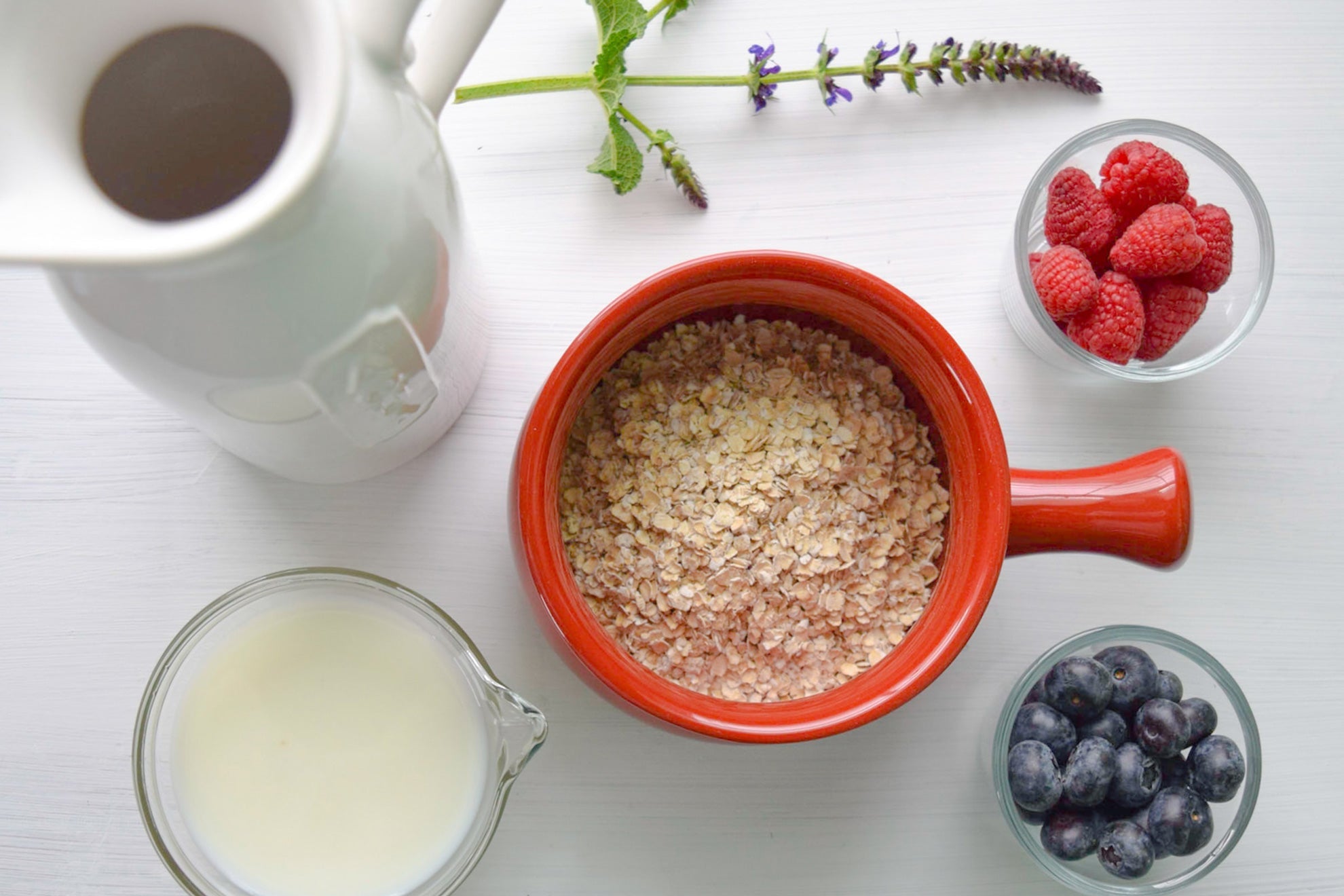
Easy Vegan Breakfast Overnight Oats
Overnight Oats for the lazy girl, the one who wants to be healthy without all the organising and mess in the kitchen. A simple four part recipe that everyone can manage at home, even without any time.
Scent, Sound, and the Sanctuary of Home
A sensory guide to calming your nervous system and reclaiming peace. There’s something deeply human about wanting to feel in control of your environment. It’s not about being fussy or high-maintenance — it’s about tuning in. Attuning your surroundings to support your body, your mind, and your emotional balance is a form of self-respect.

The Multi-Dimensions Of Wellness Part 1: Understanding the Whole of Who We Are
Living a wholesome life with good stable mental health is what we all dream of, isn’t it? Why is it that when you google wellness or well-being you are met with long-form complicated articles, fluffy images with soft pink colours or centres for massage and facial treatments? It’s no wonder we all seem so confused.