Gratitude
48 articles
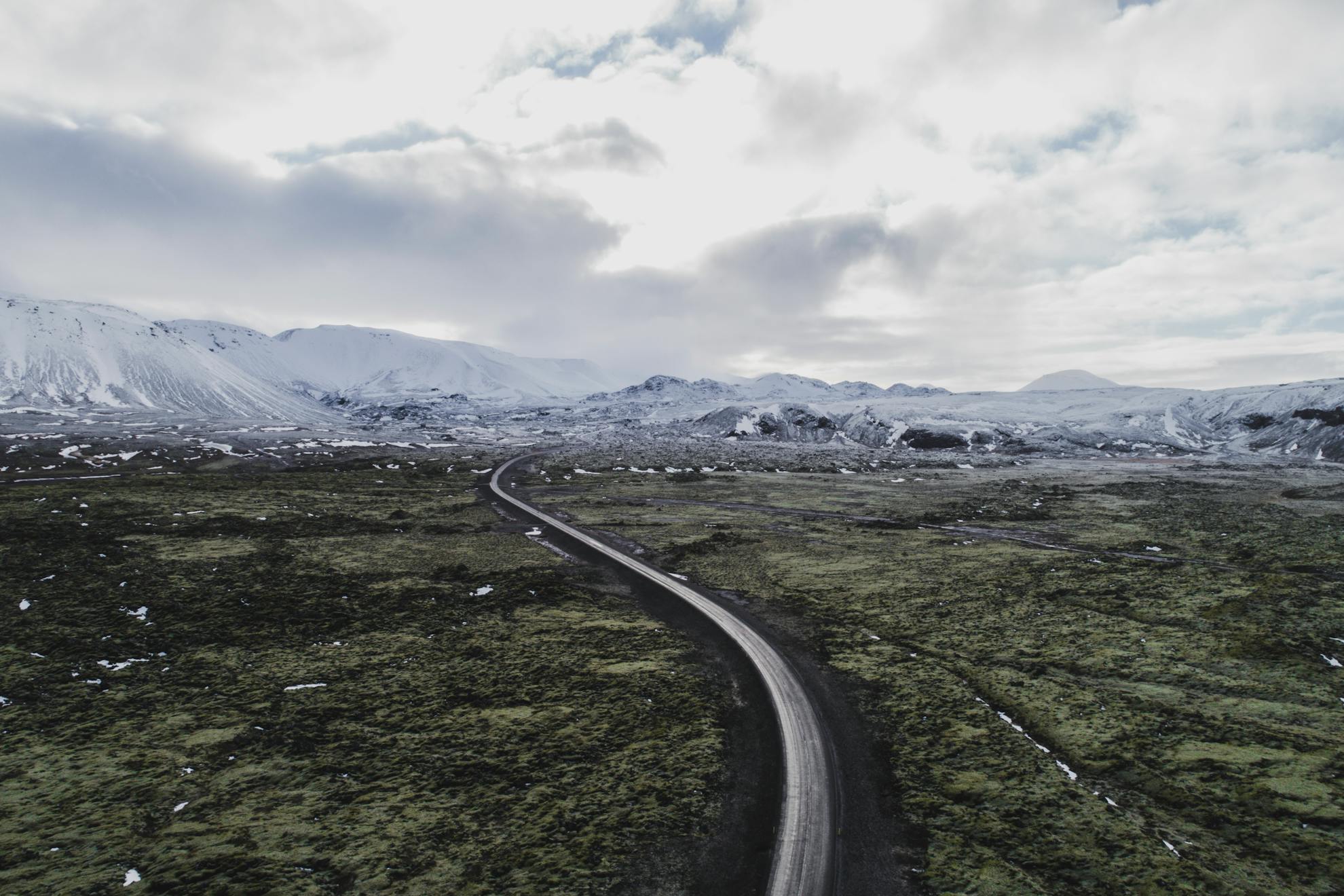
I Took the Hard Road, They Said It Had the Best Views
Here is a question I have been sitting with: If someone offered you a shortcut - not a cheat, not a bypass, but a genuine, faster way through - would you take it? Or would you need to feel your way there first? Would you need to walk the whole long road, with its wrong turns and its weather, before you trusted where you'd arrived? I have been asking myself this honestly. And the honest answer is: I think I needed the long road. Not because suffering is noble or because hardship is a prerequisite for growth. But because of something more specific to how I am wired. I needed the felt sense.
More tagged “Gratitude”
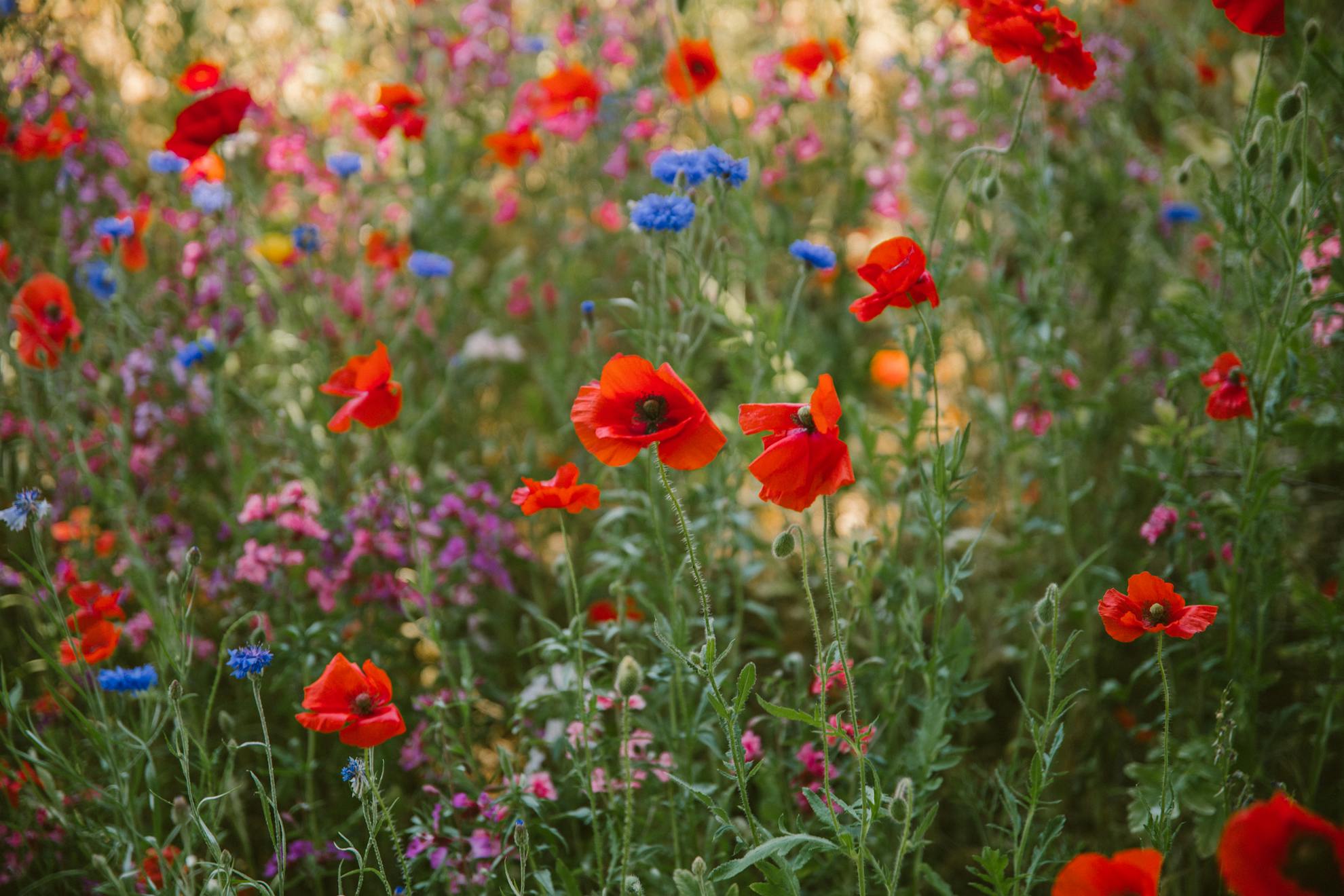
The Meadow of Memories: What If Every Experience You've Had Deserves Equal Ground?
It stretches as far as you can see in every direction. And in it, flowers. Hundreds of them. Thousands. Each one is a different colour, a different height, a different shape. Some of them face the sun. Some of them are bent slightly from the weather they have lived through. Some are in full bloom. Some are past their peak.

Seeing Desire for What It Really Is
We often look to others to decide what we want. We glimpse a moment in their life — a success, a lifestyle, a relationship - and imagine that having what they have will complete something in us. In truth, what we’re seeing is never the full picture. It’s a snapshot lifted out of a much longer, messier, deeply human story.
The Revelations Found in Astrology and Human Design
I’ve always believed that self-inquiry can be a portal. Sometimes that portal is meditation. Sometimes it’s heartbreak. Sometimes it’s travel, long and lonely and bewildering. But recently, it came in the form of something unexpected:Running my astrological birth chart and my human design through ChatGPT.
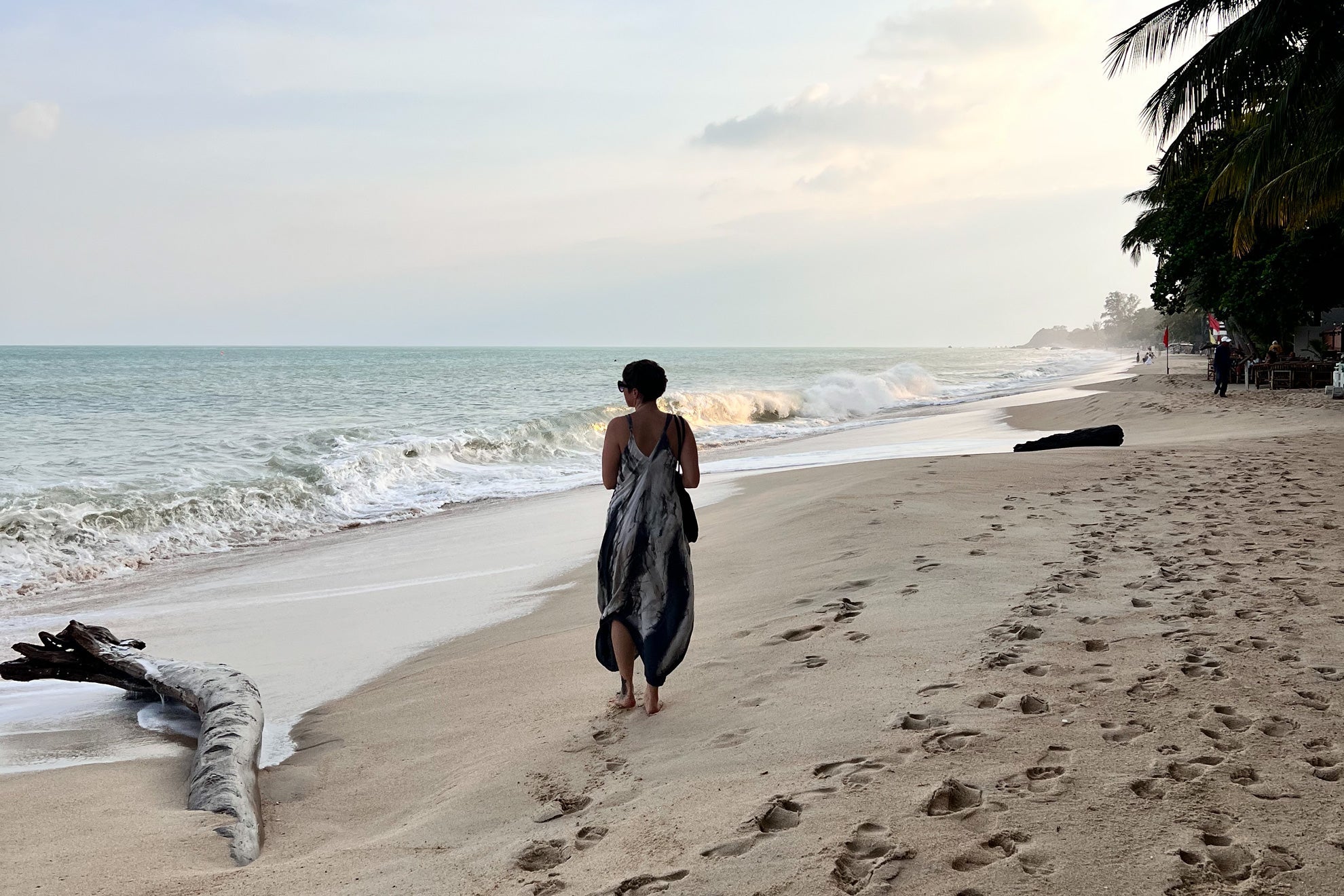
What Slowing Down Really Taught Me This Year: Coming Back to My Body, My Life and Myself
As this year comes to a close, I’ve been reflecting on what “slowing down” really ended up being for me. When I imagined it, I pictured beaches, sunrise yoga sessions, sunsets with salty hair, and the kind of inner peace that glossy wellness posts make look effortless. And yes, there were moments that felt like that. But most of the time, slowing down wasn’t glamorous. It was messy, humbling, grounding and honest. It looked like a compromise. It asked me to make choices I didn’t always expect. It made me meet myself in ways I had never truly allowed before.
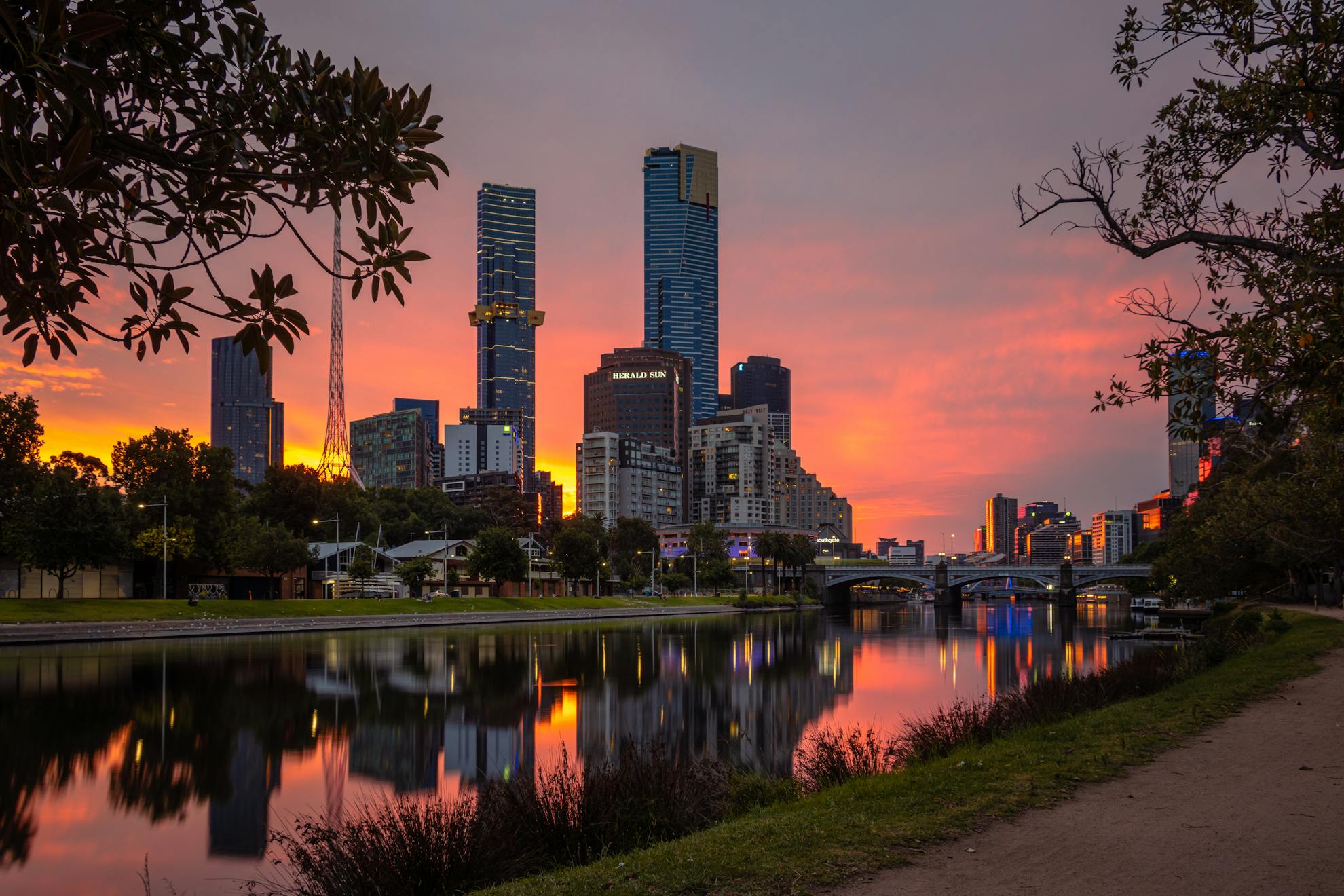
When Coming Home Feels Different: How Space, Change, and Perspective Shape What “Home” Means
Sometimes, stepping away from everything you know is the only way to truly see it.We all have places we’ve outgrown, or thought we had. The home that once felt heavy, the routine that seemed suffocating, the four walls that turned into a mirror for our restlessness. But what if it wasn’t the place holding you back? What if it was what you carried inside it?
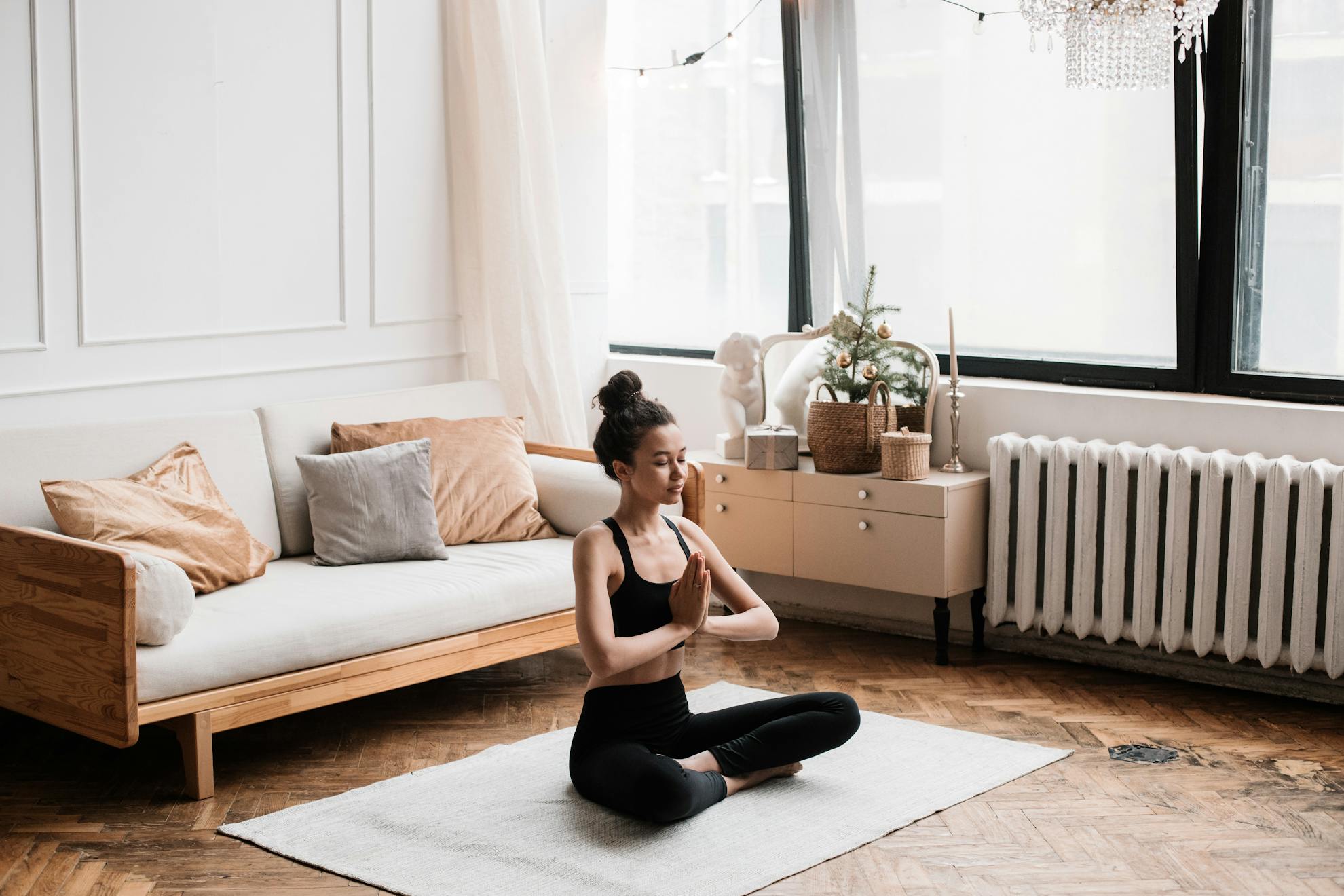
Meditations as Portals: Shifting the Mind, Soothing the Body
We spend much of our lives replaying the past, thoughts become familiar, feelings become habitual, and the body begins to live in cycles of memory. What feels like “just the way things are” is often simply a loop of remembered emotions.

Harness Your Energy with Yoga: Devotion, Breath, and Mindful Practice
Energy moves where attention flows. Both ancient yoga and modern science tell us this truth in different languages, yet the essence remains the same: what you focus on expands.

Beyond the Past: Rewriting the Stories We Live By
There comes a time when we begin to notice that the patterns repeating in our lives are not coincidences; they are mirrors. The way we love, react, protect ourselves, and withdraw often stems from stories we didn’t consciously choose. They are scripts written by earlier versions of ourselves, shaped by our experiences, emotions, and beliefs.
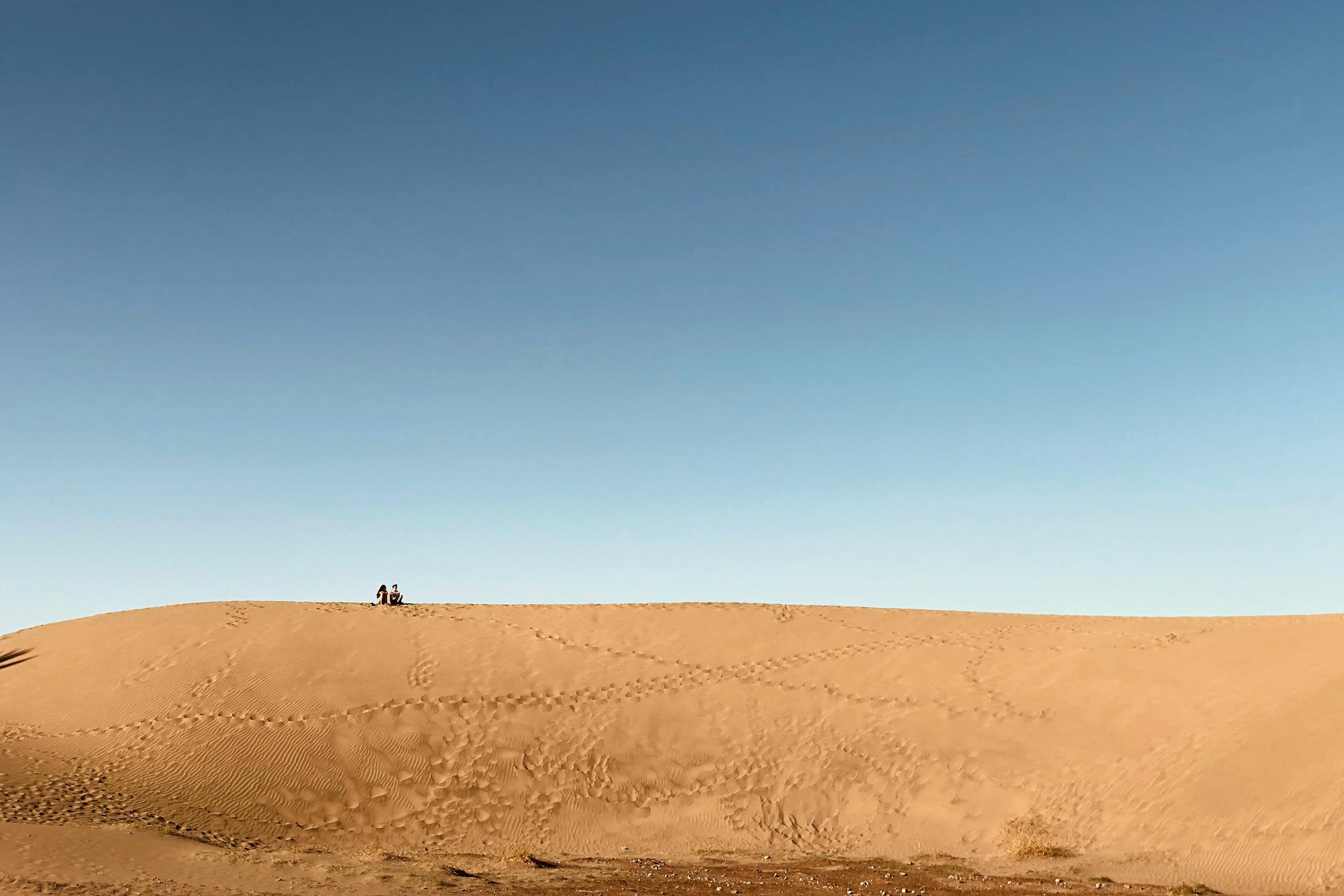
Learning to Trust Through Love
We often speak of love as something we either have or don’t, something we fall into or out of. Yet few of us pause long enough to consider its deeper purpose. What if love is not the destination, but the lesson itself?
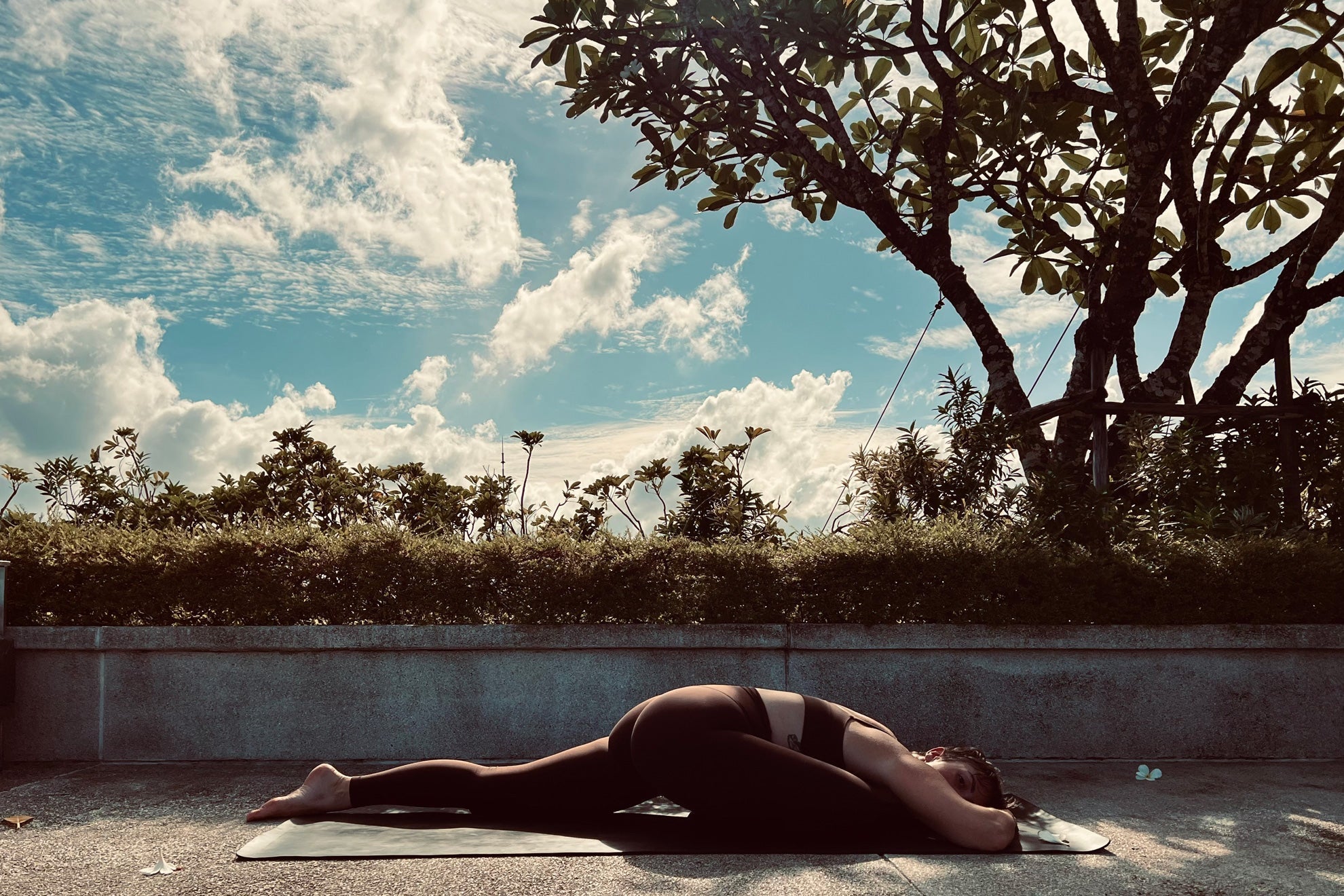
The Things I thought I needed (and what I actually found)
When I set out on what I half-jokingly called my adult gap year, I had a very clear picture of what I was chasing. I wanted adventure. Something new every day. A change of scenery. Access to incredible things for my photography.
Chance Encounters That Change You: How Travel Brings the Right People Into Your Life
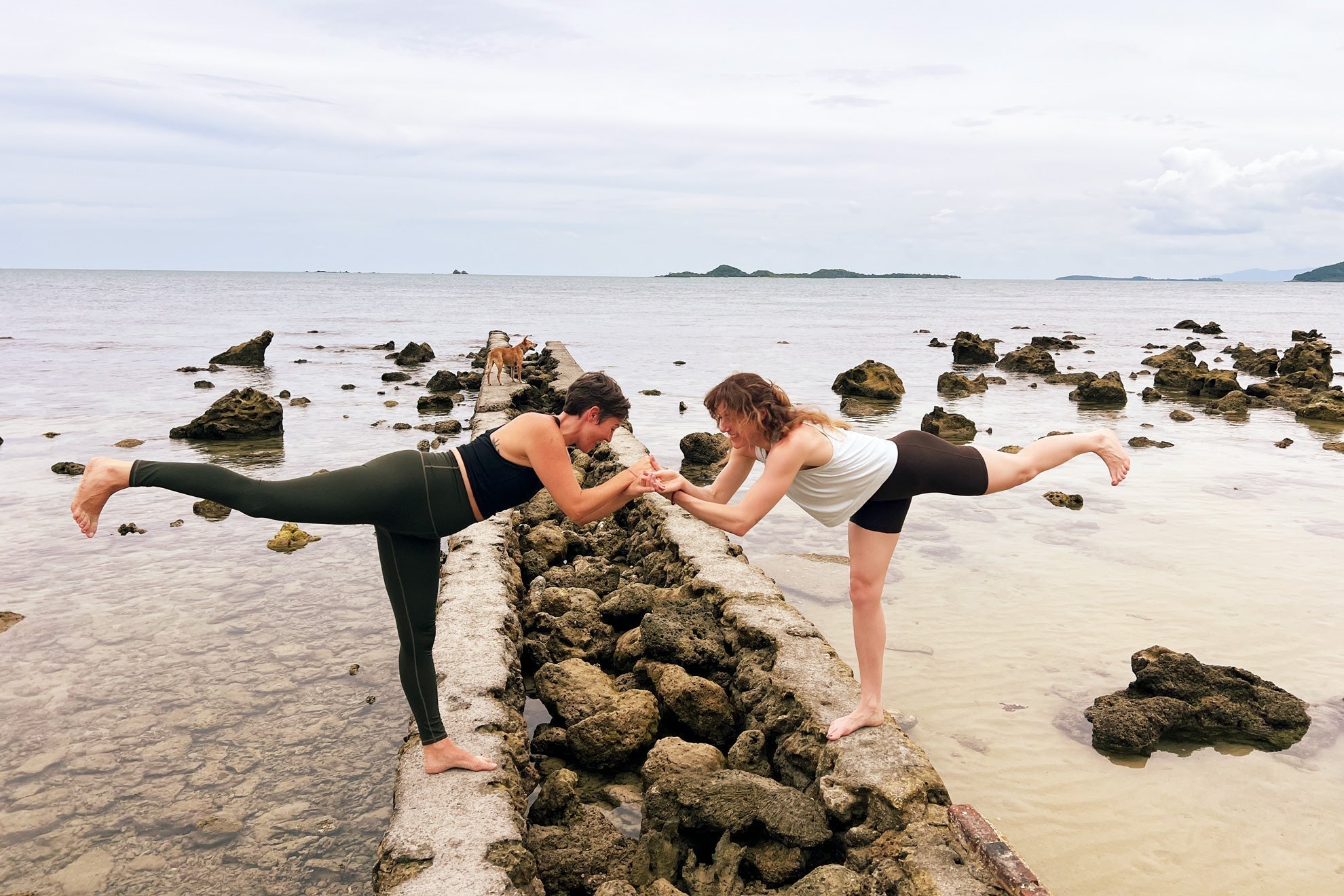
There are people in our lives who remind us to play; the ones who make you want to cartwheel on the beach, run along the sand, or balance, laughing, in a rock pool in warrior three. On my Koh Samui retreat, there was one such person: Bronte.
When People Show Up: Embracing Divine Timing and Connection
In the tapestry of our lives, certain individuals appear at pivotal moments, their presence seemingly orchestrated by forces beyond our comprehension. These encounters often feel serendipitous, yet within the framework of yogic philosophy, they are seen as manifestations of divine timing, guiding us toward growth and self-realisation.
The Light We See in Others: A Story of Gratitude and Human Connection
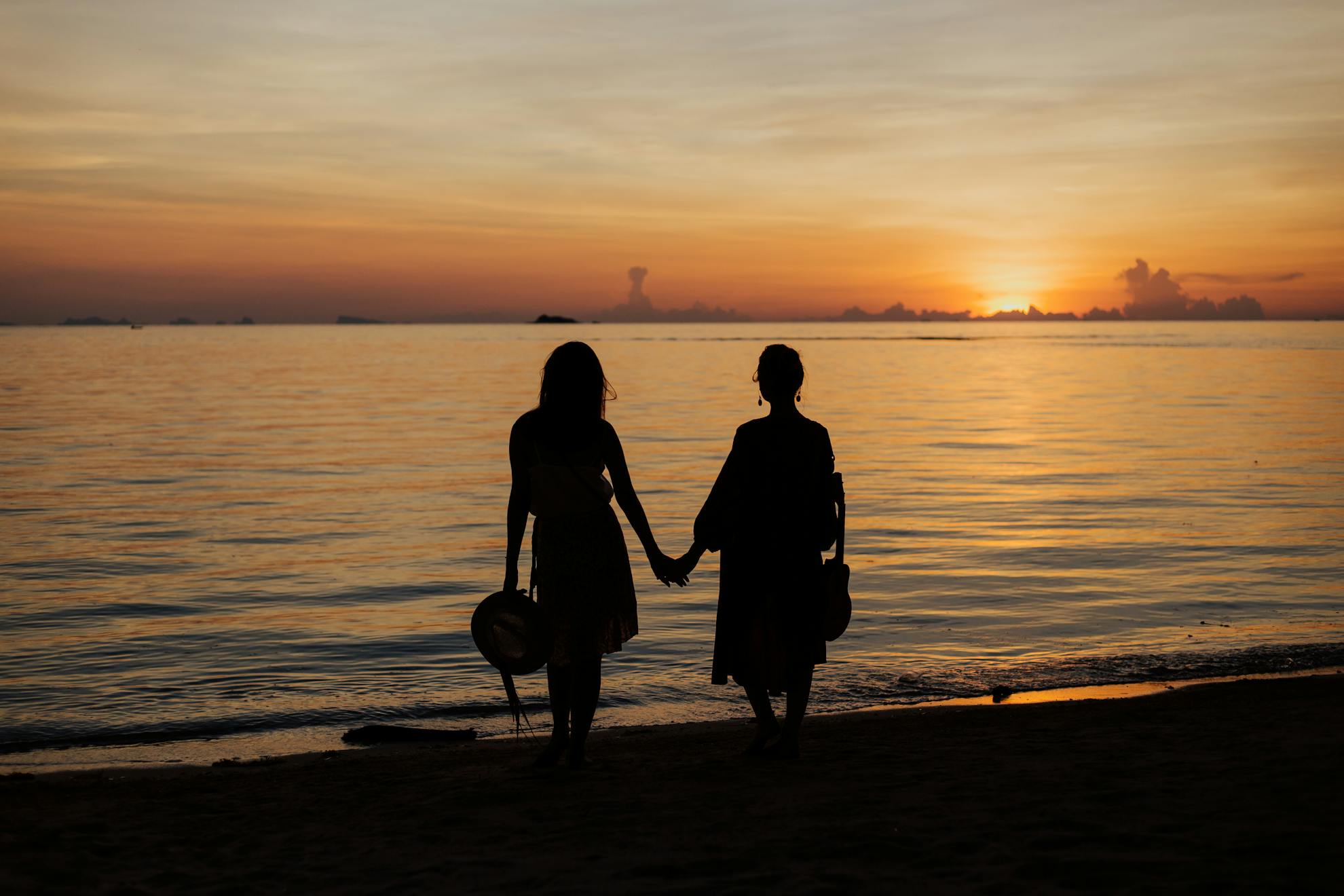
There are moments in life when we meet people who feel like mirrors. All the qualities we long to recognise in ourselves appear so effortlessly in them. And then, as you spend time together, you realise something extraordinary: what you see in them is what they see in you. The connection becomes something rare and beautiful — a space where you bring out the best in one another, even though just days before you were strangers.

Yoga as a Framework for Wholeness
Yoga has always been more than movement. Long before it became a practice of postures, it was described in the ancient texts as a complete framework for living with steadiness and clarity. The Yoga Sūtras of Patañjali remind us: “Yoga is the stilling of the fluctuations of the mind.” (Yoga Sūtras I.2)
Everyday Moments That Are Yoga (Without You Realising)
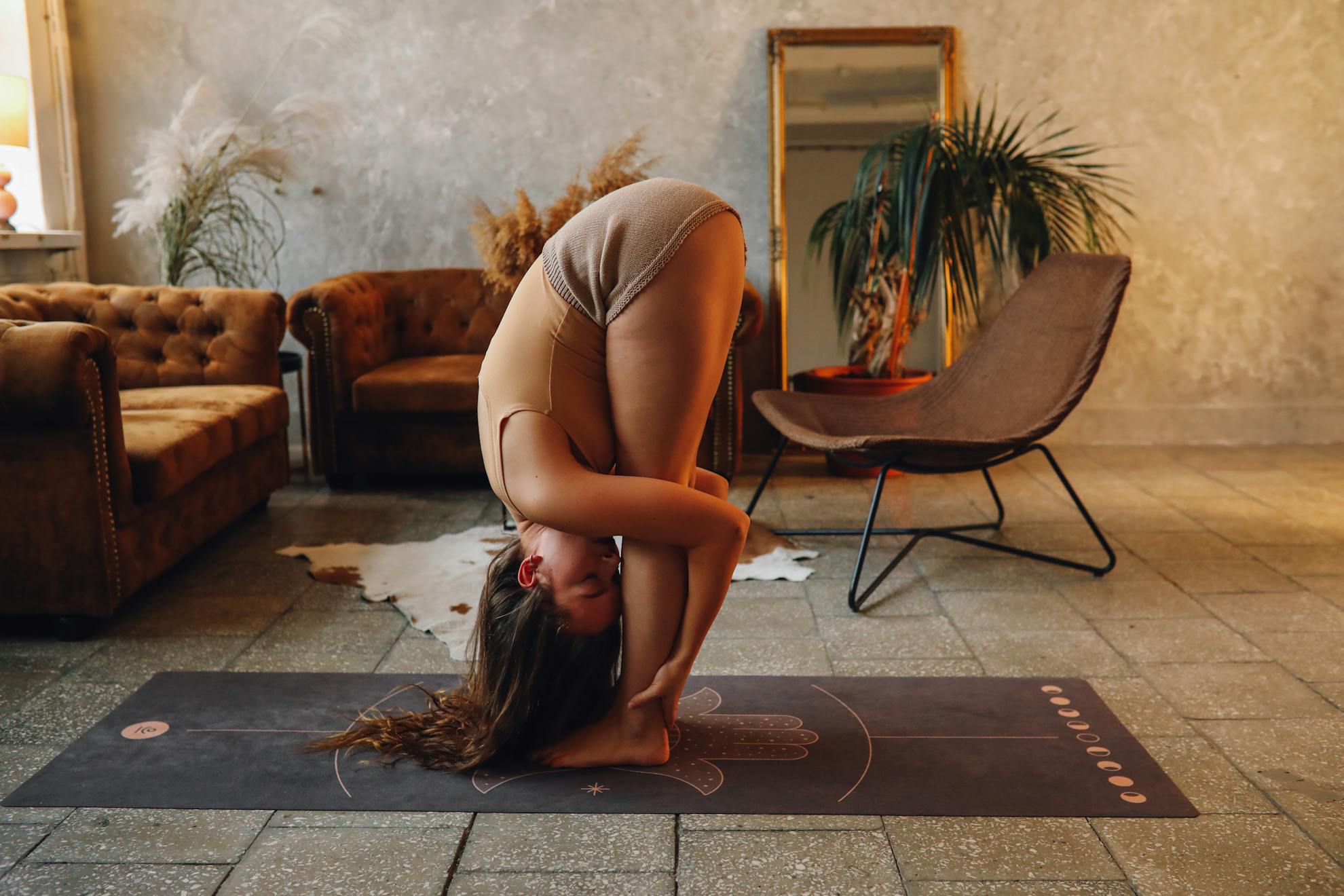
Yoga is often thought of as postures on a mat or quiet studio time. Yet the ancient texts describe it far more broadly, as a framework for cultivating steadiness, awareness, and presence in every aspect of life. The Yoga Sūtras tell us:
Transformation: What It Is and Why Yoga Retreats Promise It
Transformation is a word we see everywhere these days, especially on retreats. But what does it really mean? And why are so many retreats offering it as part of their experience?

Saying No Without Guilt: Gentle Practices for Self-Respect and Balance
In times past, people could retreat into caves or forests in search of clarity, stepping away from the noise until answers arrived in silence. Today, life feels far less simple. We are constantly pulled in different directions, with advice, expectations, and ideas about wellness and success coming at us from all sides. Each day presents countless small choices: what to eat, how to spend our time, who we spend it with, and even how we speak up for ourselves. Learning to say no with kindness and without guilt is not just about the big decisions; it’s about honouring these small choices, nurturing self-respect, and creating balance in everyday life.
The Multi-Dimensions of Wellness Part 2: A Gentle Guide to Living Well

On Retreat with Your Yoga Teacher: A Journey Back to Yourself
I have been practising yoga for about eight years and teaching for the past eighteen months. When I finally felt it was my time to guide others along the yogic journey, I also knew that my own practice was far from finished. My curiosity and hunger for growth led me to immerse myself in three Moksha Yoga Teacher Trainings. After completing my 200-hour training in Bali in January 2024, I continued with a 110-hour Meditation Teacher training, and then dove into Yin and Sound Medicine simultaneously.

When Your Environment Sets Your Limits: Rethinking Boundaries and Self-Worth
There’s something quietly profound, and often overlooked, about the boundaries and standards that shape our lives. Not always the ones we consciously set, but those gently handed down to us by the people and spaces we inhabit. Whether in work, friendships, family, or romantic relationships, these invisible lines quietly frame what feels possible, what we believe we deserve, and ultimately, how we see ourselves.
Yoga as Life’s Lens: Reflections on Autobiography of a Yogi
Paramahansa Yogananda’s Autobiography of a Yogi is more than a spiritual memoir; it’s an invitation to see life through the lens of the soul. In his telling, the extraordinary becomes accessible, not as far-off miracles but as a way of living rooted in self-awareness, discipline, and love.
20 Reflections from The Surrender Experiment by Michael A. Singer
I read The Surrender Experiment just days after walking away from my corporate job, twelve months into the unknown. No guarantees, no structured plan. Just a quiet knowing that something had shifted.

The Honest Truth About Travel
Yes, I’ve been to some incredible places over the last few months. But what I’ve realised is that when you don’t have a “home” to go back to, or more importantly, no clear end date, even the most remarkable experiences begin to feel… normal. And normal, when stretched too long, loses its magic.
20 Moments from The Untethered Soul by Michael A. Singer
A journey inward to awareness, stillness and freedom. Some books arrive like whispers. Others arrive as gifts. For me, The Untethered Soul was both.
Wellness Beyond the Surface: Living the 8 Limbs of Yoga in Daily Life
In the modern wellness world, the surface often appears to be a glow: luminous skin, green smoothies, gym schedules, lymphatic drainage, and cold plunges. And while all of these can support well-being, they don’t touch the deeper layers of what it means to be well.

Self-Love Isn’t What You Think: It’s an Inner Homecoming
There’s a common belief in the wellness world that everything begins with self-love. But I’ve come to learn that it’s not always true. You don’t need to force love upon yourself, or convince yourself that you are worthy, or even forgive yourself first to love yourself. And while an at-home facial or a scented candle might offer a moment of stillness, they aren’t the same as true self-love. I’m talking about the kind of quiet recognition that lives deep within you, the inner knowing that you are already loved, already whole.
Making Peace with Travel Privilege
I used to believe I was a good traveller. Curious. Kind. Conscious. But as I moved through the villages of Vietnam, past rice paddies, crumbling temples, food stalls, and families, I was forced to reckon with a quieter truth. I have always been a privileged traveller. And with that privilege comes a responsibility.
Packing Wellness: A Conscious Approach to the Way We Travel
There’s a certain beauty in packing not just clothes or chargers, but your rituals. A yoga mat, a journal, snacks that feel good, shoes that let you walk for miles — these are tools that shift travel from hectic to healing.
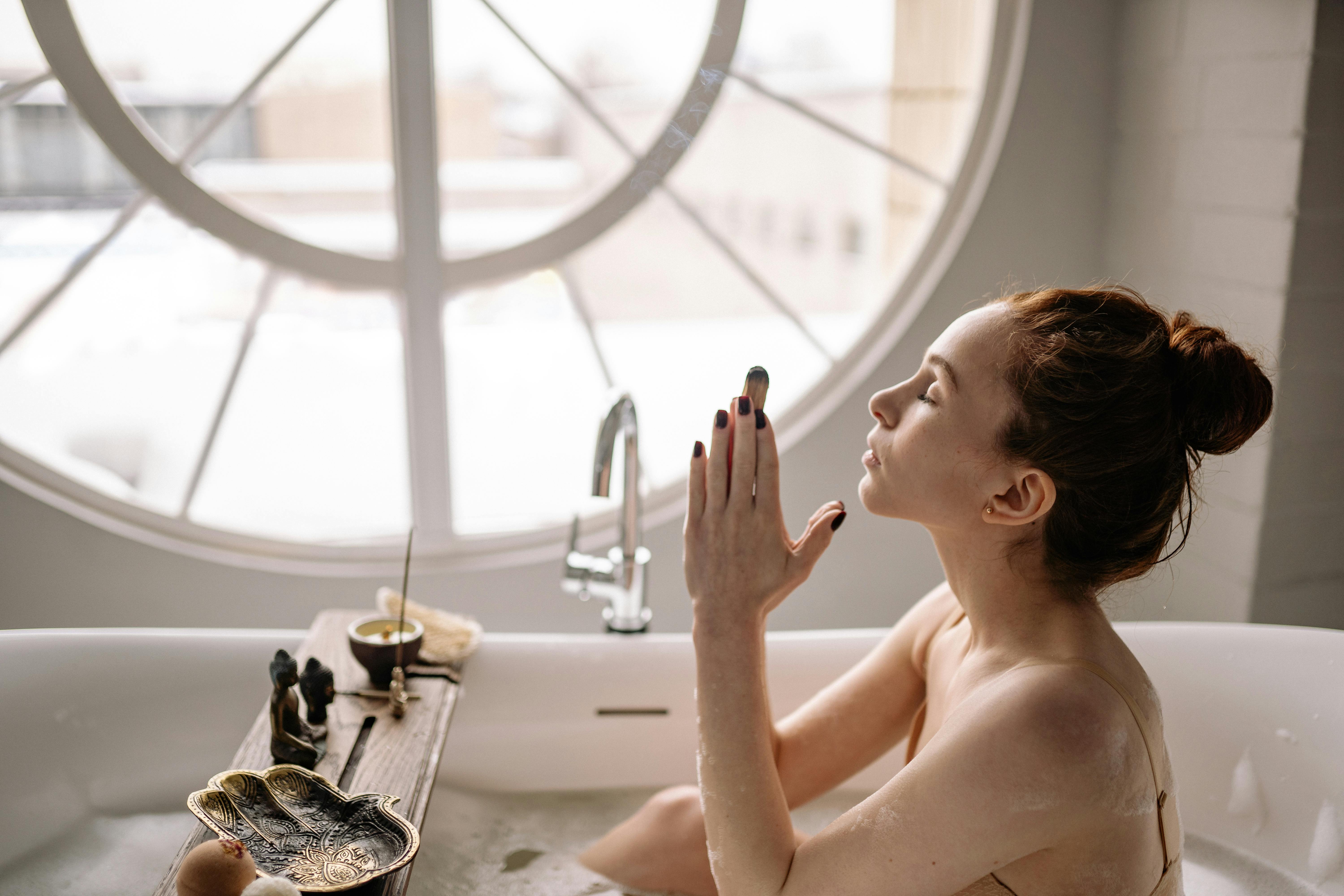
Rituals in Motion: How to Make Wellness a Habit, Anywhere
Wellness doesn’t begin and end in your home or at the studio or gym you belong to. It can be a mindset you can carry, a ritual you can roll out wherever you land. From morning breathwork on a balcony to journaling beside a window in a new city, the rituals that sustain you can become part of the way you travel, work, and live.
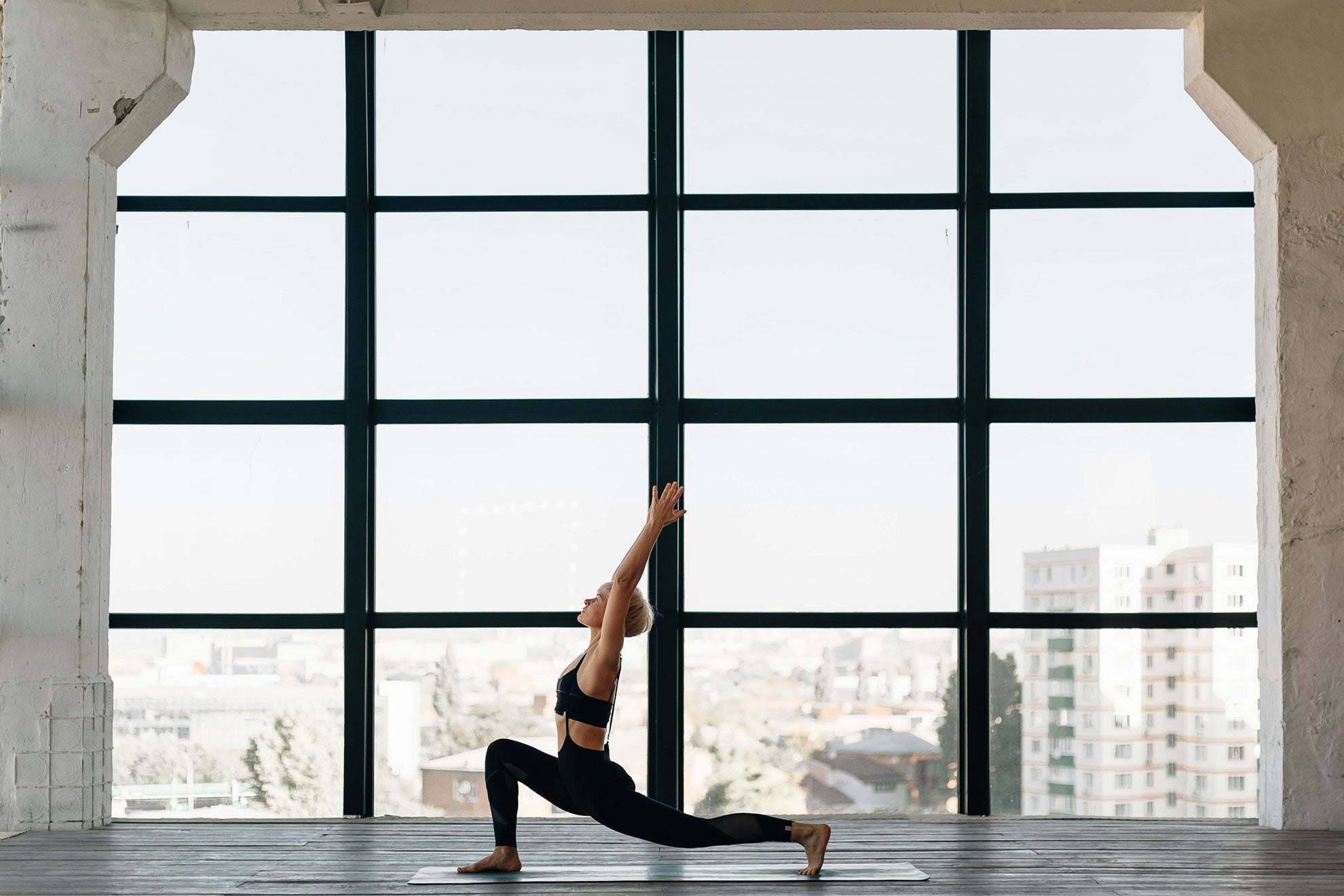
Yoga as Remembering
When I look at the modern world of yoga, I see familiar patterns: the yoga studio, the teacher, the aspirational "yoga body." Much of the messaging circles around self-improvement. But the deeper message, the one that stayed with me through all my trainings, is that yoga isn’t about becoming someone new. It’s about remembering who you've always been.
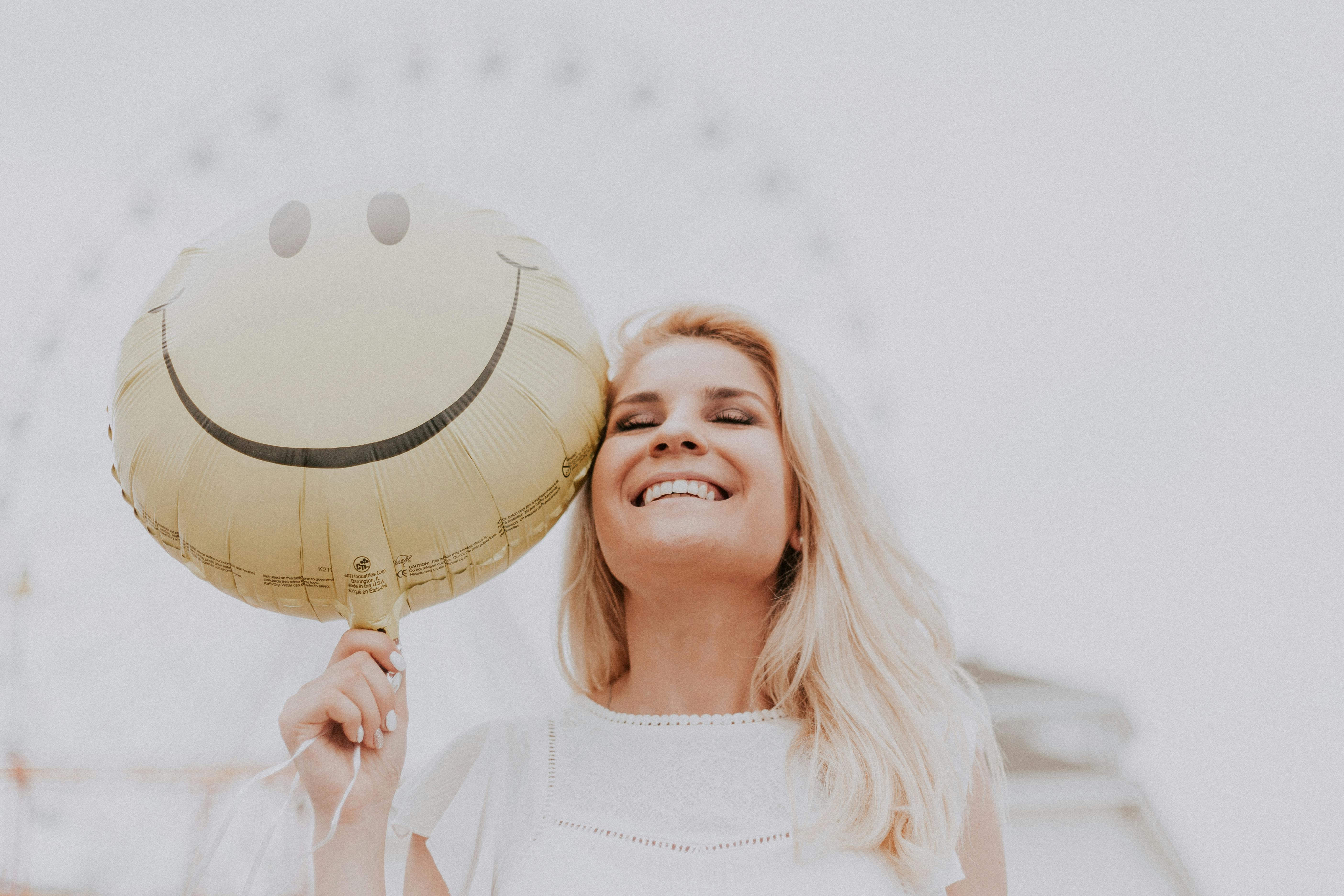
Meeting People With Smiles
In a world that often feels rushed and disconnected, what if the simplest gesture, a smile, could shift not only your day but someone else’s? In this reflection from Bali, I explore the quiet power of going first, of offering joy without expecting anything in return… and what happens when that joy circles back.

What I Didn’t Do in Bali This Time
Or, what happened when I threw out the itinerary and finally listened to that quiet inner voice. This isn’t an anti-blog. It’s not a rebellion against to-do lists, or a rejection of all the amazing things Bali has to offer. It’s simply an invitation to do things your own way.

Leaving Melbourne: On Love, Privilege, and the Search for Home
I wrote this piece back in April 2022, and it feels poetic that it still holds relevance now, three years later, in April 2025. I’ve left most of it unchanged. It speaks to something tender about the way time carries us—sometimes with a gust, other times with the softest nudge from one place to the next.
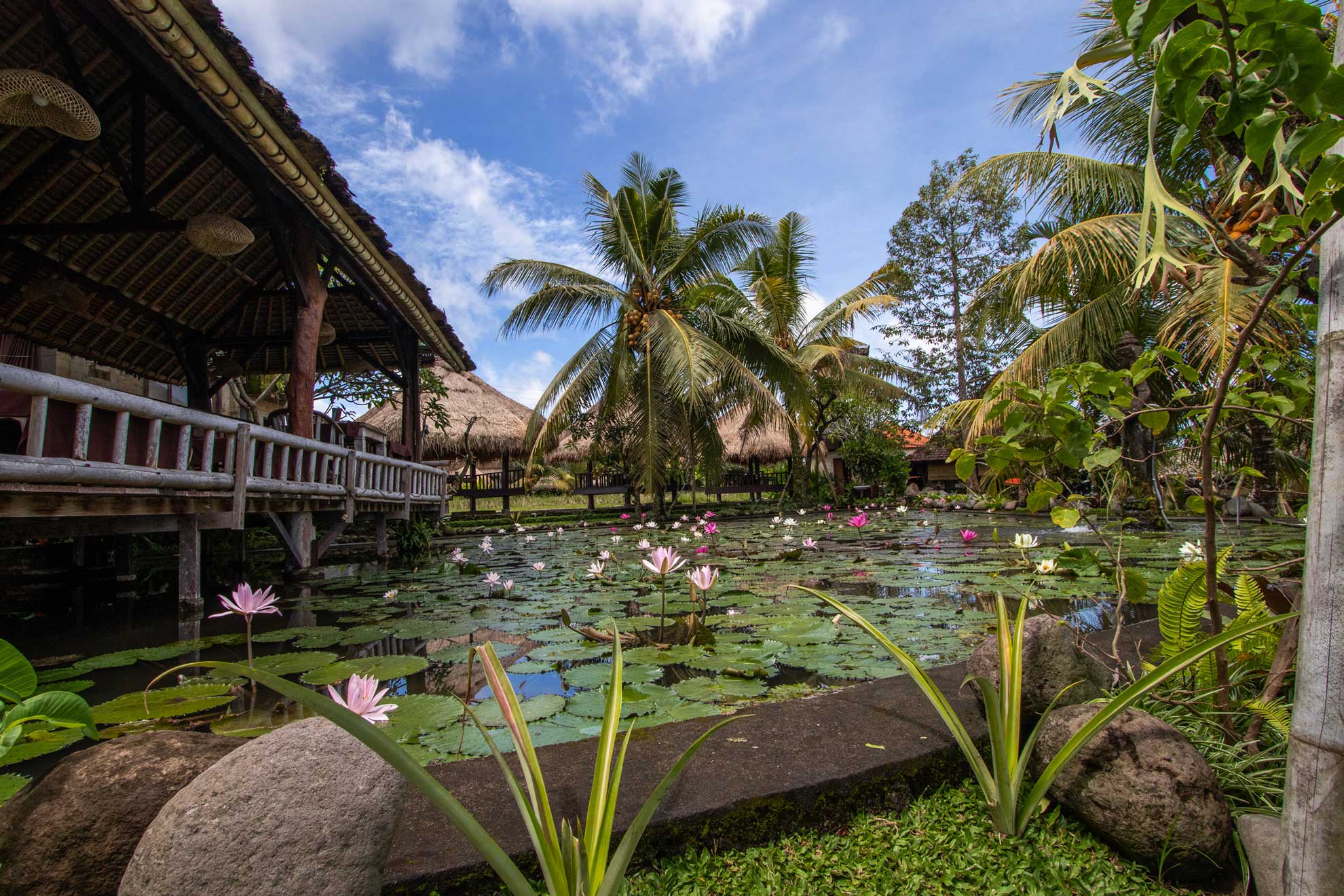
Undiscovered Bali: A Feeling Found Through Slow Travel
Why Slow Travel in Bali Changed Everything. After the privilege of visiting Bali five times, I’ve realised we no longer need to chase the tourist trail. We’ve already ticked off the temples, the beaches, the day trips. So this time, we chose to stay still. We let Bali show us something else entirely: a slower rhythm, a different kind of magic.
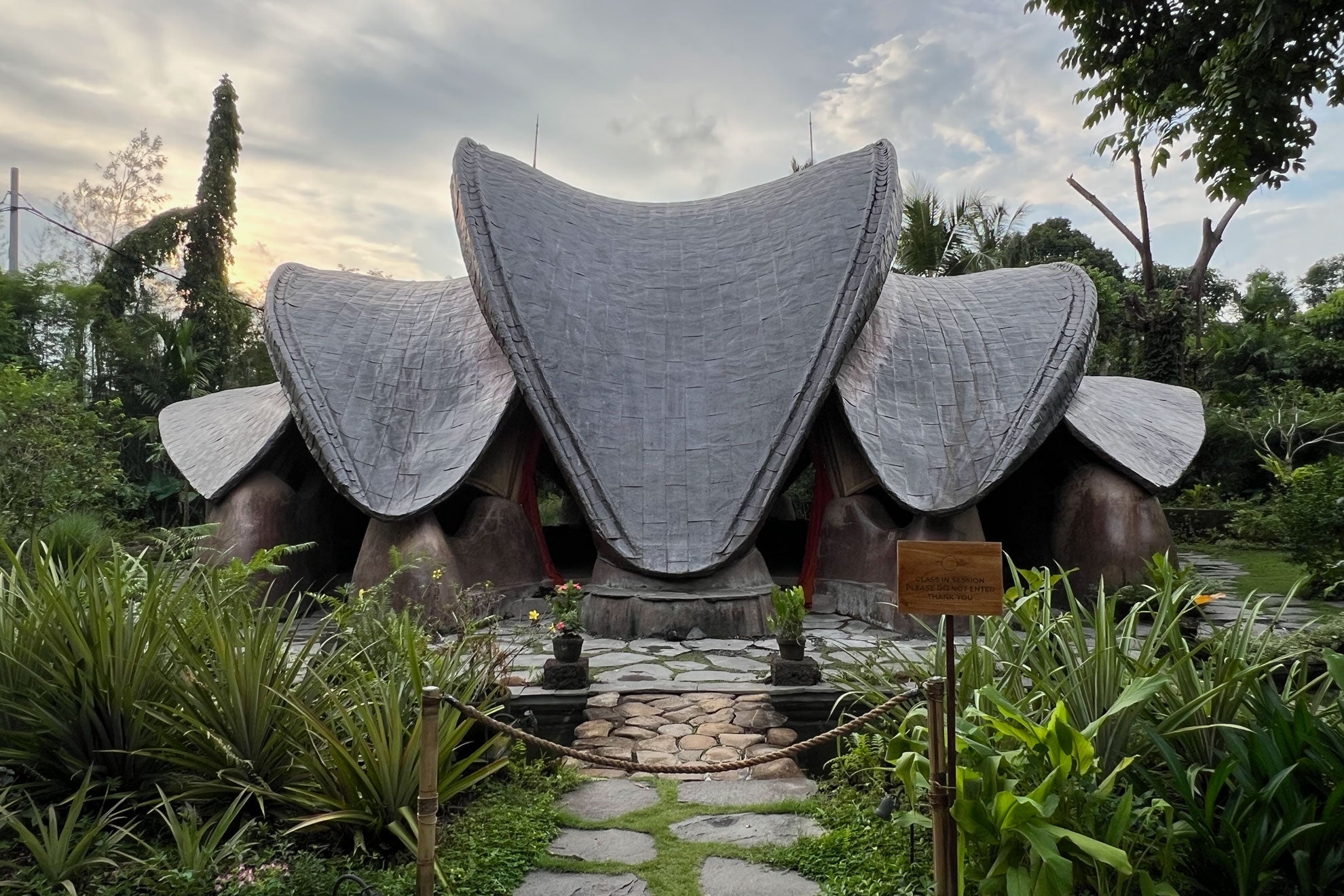
Finding Home on the Mat: My 6 Week Journey at Alchemy Yoga Ubud
A Return to Self, Through Movement and Community. It’s been six wonderful weeks of daily practice at Alchemy Yoga & Meditation Centre in Ubud. Six weeks of breath, sweat, stillness, and subtle transformation. We chose this space instinctively, drawn back by the magic of the Alchemy café, which we first fell in love with eight years ago. The yoga studio felt like a natural extension of that same energy: nourishing, grounded, and open-hearted.
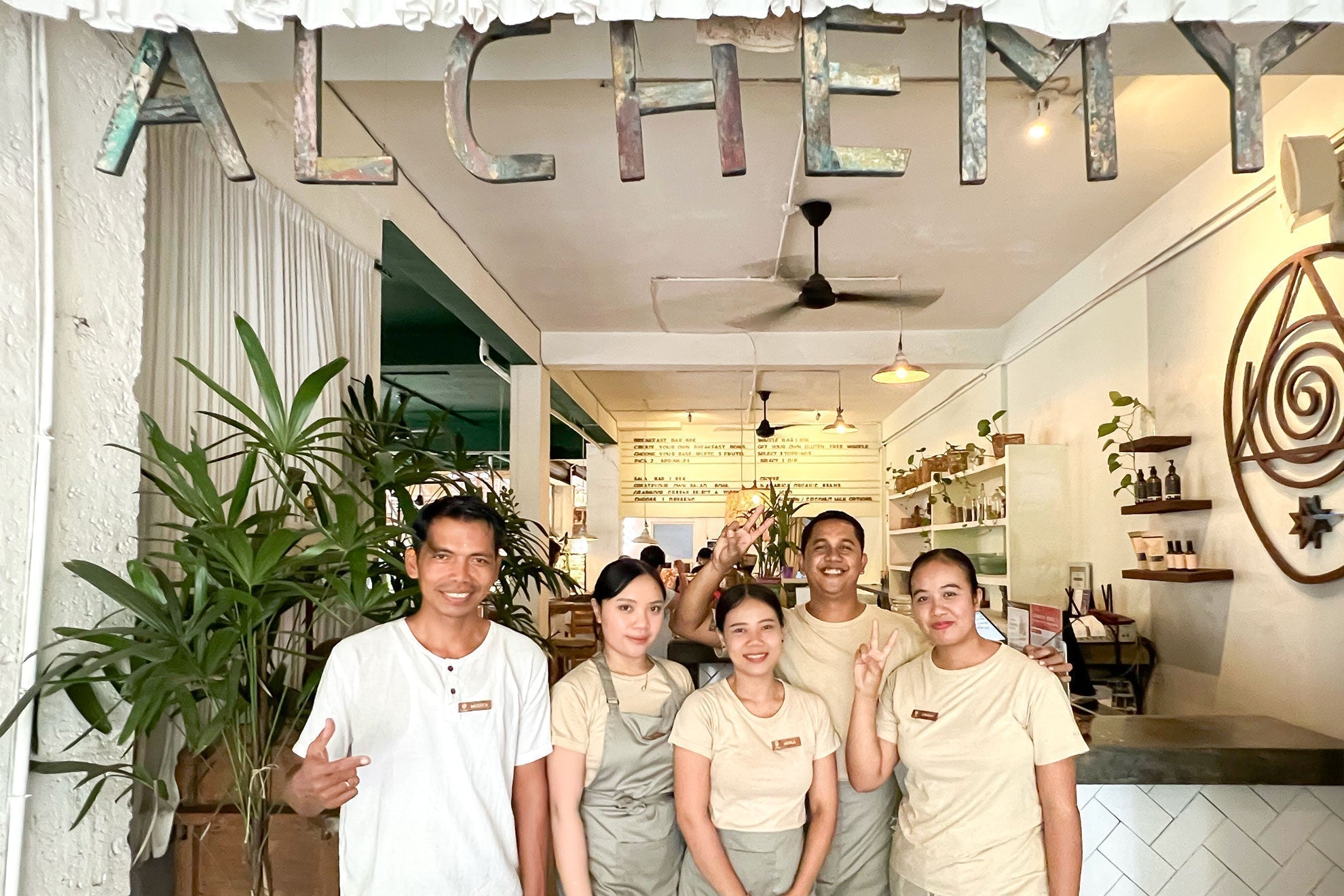
Where Food Feels Like Home: Why Alchemy Café Ubud Is a Must for Conscious Travellers
Today, as we stepped out of the beautiful, sun-warmed space that is Alchemy in Ubud for the final time, we were handed a goodbye gift. Completely unexpected. Entirely unnecessary.
Journaling Prompts: Redefining Value & Worth
Without any expectations, write the answers to these questions. Write freely and as if you are talking to yourself, someone safe and silent. See what comes up with out judgment, but curiosity see where these questions take you.

Leaving Again, This Time It’s Different
We left Bali today after two wonderful months of getting to know ourselves again. That might sound odd, but when you’ve lived in survival mode for so long, it’s impossible to know who you are beneath the armour—armour that’s protected you from chaos, but also from truth. Truth like: you were ticking boxes, going through motions, cohabiting with someone who was quietly slipping into sadness. And truthfully, the silence about that sadness made it hard to distinguish what was "normal" from what was drowning.

What Do You Truly Value?
This is a gentle invitation to explore worth beyond work and wealth, going deeper into what it means without the cultural lens that you sit behind, the one determined by your place in the world, physically, metaphorically, familiarity, etc.
Learning to Sit With Yourself (and Everyone Else Too)
Regulating our emotions is a journey. You might be someone who feels deeply. Who notices the shift in the room when someone else enters. Who picks up on unspoken tensions, unmet needs, and unsaid apologies. You might be empathetic, curious, creative—and sometimes, exhausted. You may have learned to manage your emotions with a certain grace, yet still find yourself undone by the sudden sharpness of disappointment or frustration.
Why Is Gratitude So Powerful?
Practising gratitude is said to improve sleep, reduce stress and improve mood. I think it also helps you find presence, for a moment, when you think about all the things you are grateful for you look back of course but you look at it from the present. The moment you are in, the moment that holds you that very second.
20 Small Shifts for a Wholehearted Life
Simple, soulful ways to feel more grounded — right where you are. Living well doesn’t have to be expensive. In fact, some of the most powerful lifestyle changes cost nothing at all — just attention, intention, and a willingness to show up for yourself.
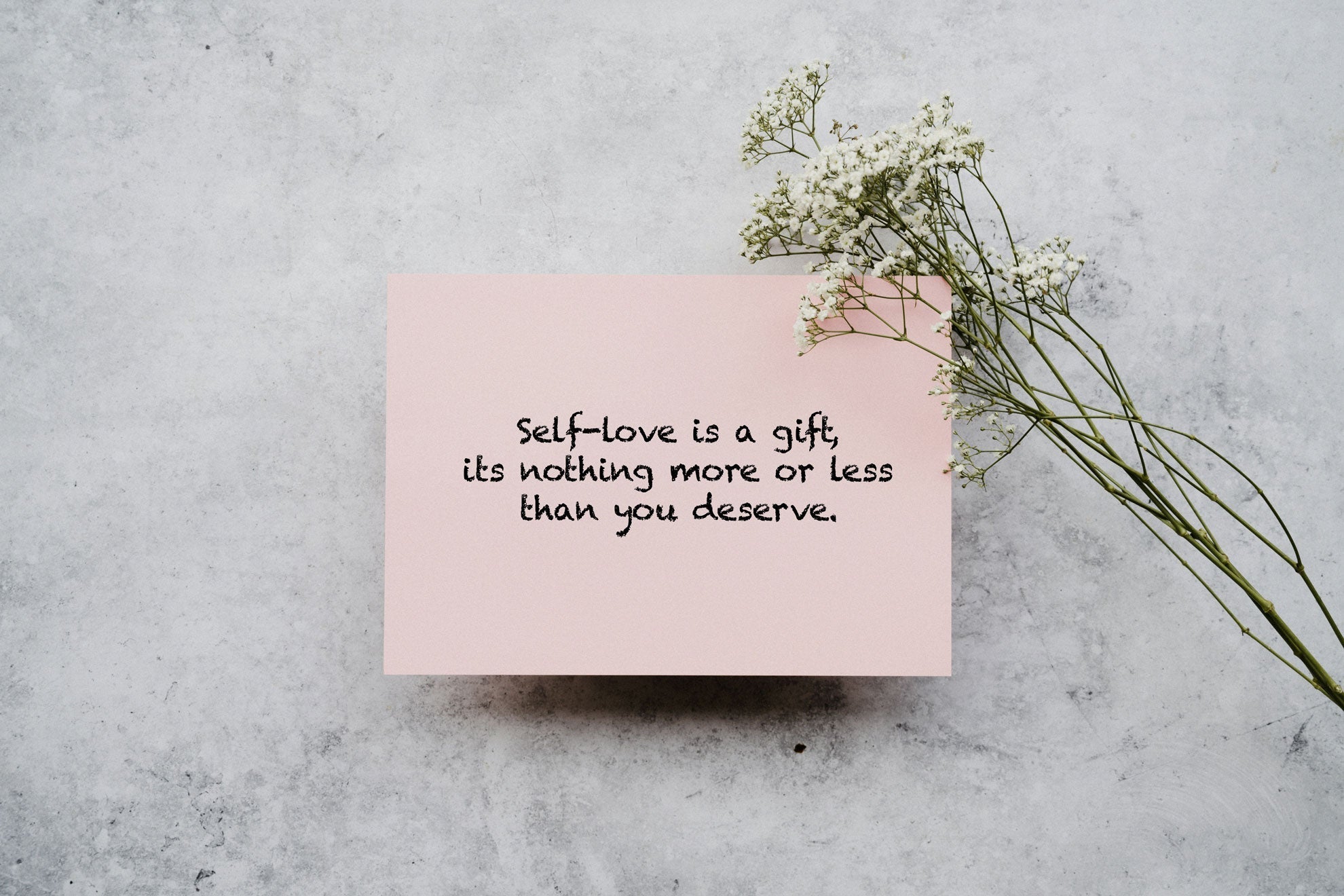
What is self-love? Why is it so important and what benefits will it offer?
Self-love is when you put yourself first, it might be for a moment or once a week or maybe it's whenever you need to self-soothe. It’s finding things that are just for you. Moments that make you happy that you can pull on and continue to cultivate over and over again.
The Power of Journaling
Writing regularly is something that is said to free the mind, to process one's thoughts, to download the noise. For some, it is a collection of thoughts that were, in the moment of writing important. For others, it's a way of making sense of the hundreds of thoughts we carry every day.
10 Quick & Easy Ways To Feel Grounded
Everyone you meet in this world of ours has some form of anxiety, fear or stress that will show up in their body and most of us do not know what it is. It might be butterflies, headache, dizziness, feeling overwhelmed or some other sense of unease. Whatever it is that your body does to send you a signal, here are a few simple tricks that you can use anywhere, to feel grounded.

10 Gentle Shifts for a Happier, Healthier Home
A sanctuary is not a place, but a feeling you can cultivate. Our homes are an extension of our nervous systems — what we surround ourselves with, breathe in, listen to, and look at daily plays a direct role in how we feel. When your space is calm, intentional, and aligned with your needs, your mind and body can begin to relax into a deeper state of rest and ease.

The Multi-Dimensions Of Wellness Part 1: Understanding the Whole of Who We Are
Living a wholesome life with good stable mental health is what we all dream of, isn’t it? Why is it that when you google wellness or well-being you are met with long-form complicated articles, fluffy images with soft pink colours or centres for massage and facial treatments? It’s no wonder we all seem so confused.