Journaling
27 articles
The Architecture of Awareness: Using Yoga as a Framework for Self-Study
Self-awareness is rarely accidental. It is built: slowly, deliberately and through practice. What drew me to yoga was movement. What kept me there was something far less visible: the framework it offered for understanding myself.
More tagged “Journaling”

Navigating Difficult Times With The Right Internal Support
Lately, I have been thinking about the ways we outsource our wellness. We seek advice. We ask for reassurance. We hand our experiences over to others to interpret. And sometimes that is necessary. Reflection and projection are powerful tools; being witnessed in our struggles can soften their edges. Community matters. Guidance matters.
A Softer Way to Begin: Introducing the Words & Contemplations Podcast
Words & Contemplations starts her podcast journey, bringing you blogs in audio format as well as meditations, gentle practices and talks. Come along for the journey; we'd love to have you tune in.

Seeing Desire for What It Really Is
We often look to others to decide what we want. We glimpse a moment in their life — a success, a lifestyle, a relationship - and imagine that having what they have will complete something in us. In truth, what we’re seeing is never the full picture. It’s a snapshot lifted out of a much longer, messier, deeply human story.

Removing the Habits That Keep You Stuck: Do A Habit Audit: Hard Questions, Small Changes, Big Shifts
We all have habits that serve us, and habits that don’t. The tricky part is: sometimes the ones that don’t serve are the ones we cling to because they feel familiar, safe, known. This post will guide you through an honest audit of your habits, apply research from behavioural psychology (including key ideas from Atomic Habits by James Clear) and offer a list of very practical, gradual changes you can make — changes you control, sustainable and within reach.

What Slowing Down Really Taught Me This Year: Coming Back to My Body, My Life and Myself
As this year comes to a close, I’ve been reflecting on what “slowing down” really ended up being for me. When I imagined it, I pictured beaches, sunrise yoga sessions, sunsets with salty hair, and the kind of inner peace that glossy wellness posts make look effortless. And yes, there were moments that felt like that. But most of the time, slowing down wasn’t glamorous. It was messy, humbling, grounding and honest. It looked like a compromise. It asked me to make choices I didn’t always expect. It made me meet myself in ways I had never truly allowed before.
Life Lessons in Your 30s: Wellness, Growth, and Finding Yourself Beyond the Surface
A reflection on wellness, wholeness, and the quiet lessons that keep arriving. Your thirties are a middle ground, old enough to know better, young enough to still test the edges. Somewhere between who you thought you’d be and who you’re becoming, life starts to whisper its truths. This is the decade when awareness deepens, priorities shift, and the surface begins to crack in the best possible way.
Meditations as Portals: Shifting the Mind, Soothing the Body
We spend much of our lives replaying the past, thoughts become familiar, feelings become habitual, and the body begins to live in cycles of memory. What feels like “just the way things are” is often simply a loop of remembered emotions.

Harness Your Energy with Yoga: Devotion, Breath, and Mindful Practice
Energy moves where attention flows. Both ancient yoga and modern science tell us this truth in different languages, yet the essence remains the same: what you focus on expands.

Beyond the Past: Rewriting the Stories We Live By
There comes a time when we begin to notice that the patterns repeating in our lives are not coincidences; they are mirrors. The way we love, react, protect ourselves, and withdraw often stems from stories we didn’t consciously choose. They are scripts written by earlier versions of ourselves, shaped by our experiences, emotions, and beliefs.

Learning to Trust Through Love
We often speak of love as something we either have or don’t, something we fall into or out of. Yet few of us pause long enough to consider its deeper purpose. What if love is not the destination, but the lesson itself?
The Things I thought I needed (and what I actually found)
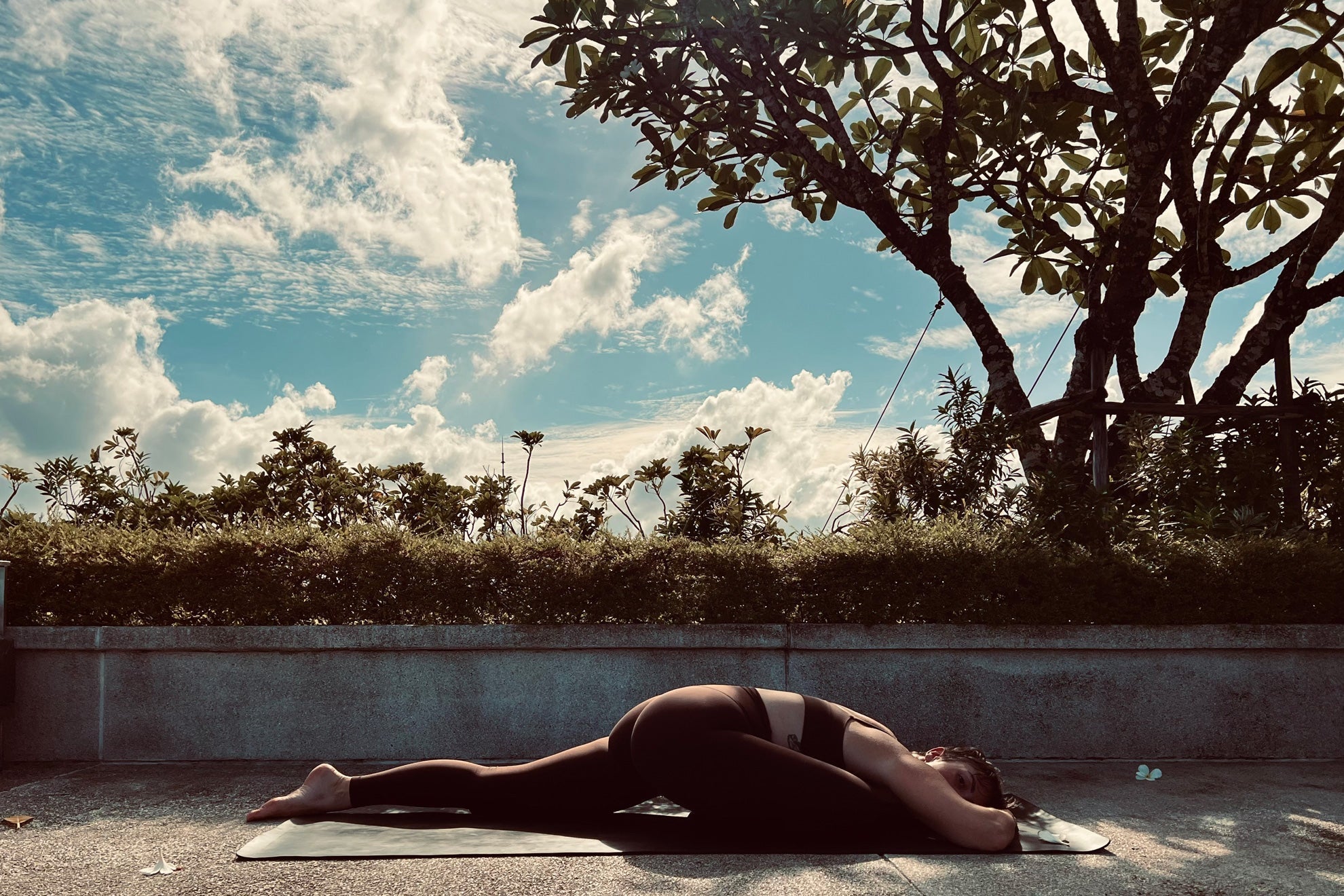
When I set out on what I half-jokingly called my adult gap year, I had a very clear picture of what I was chasing. I wanted adventure. Something new every day. A change of scenery. Access to incredible things for my photography.

The Light We See in Others: A Story of Gratitude and Human Connection
There are moments in life when we meet people who feel like mirrors. All the qualities we long to recognise in ourselves appear so effortlessly in them. And then, as you spend time together, you realise something extraordinary: what you see in them is what they see in you. The connection becomes something rare and beautiful — a space where you bring out the best in one another, even though just days before you were strangers.

Yoga as a Framework for Wholeness
Yoga has always been more than movement. Long before it became a practice of postures, it was described in the ancient texts as a complete framework for living with steadiness and clarity. The Yoga Sūtras of Patañjali remind us: “Yoga is the stilling of the fluctuations of the mind.” (Yoga Sūtras I.2)
Transformation: What It Is and Why Yoga Retreats Promise It
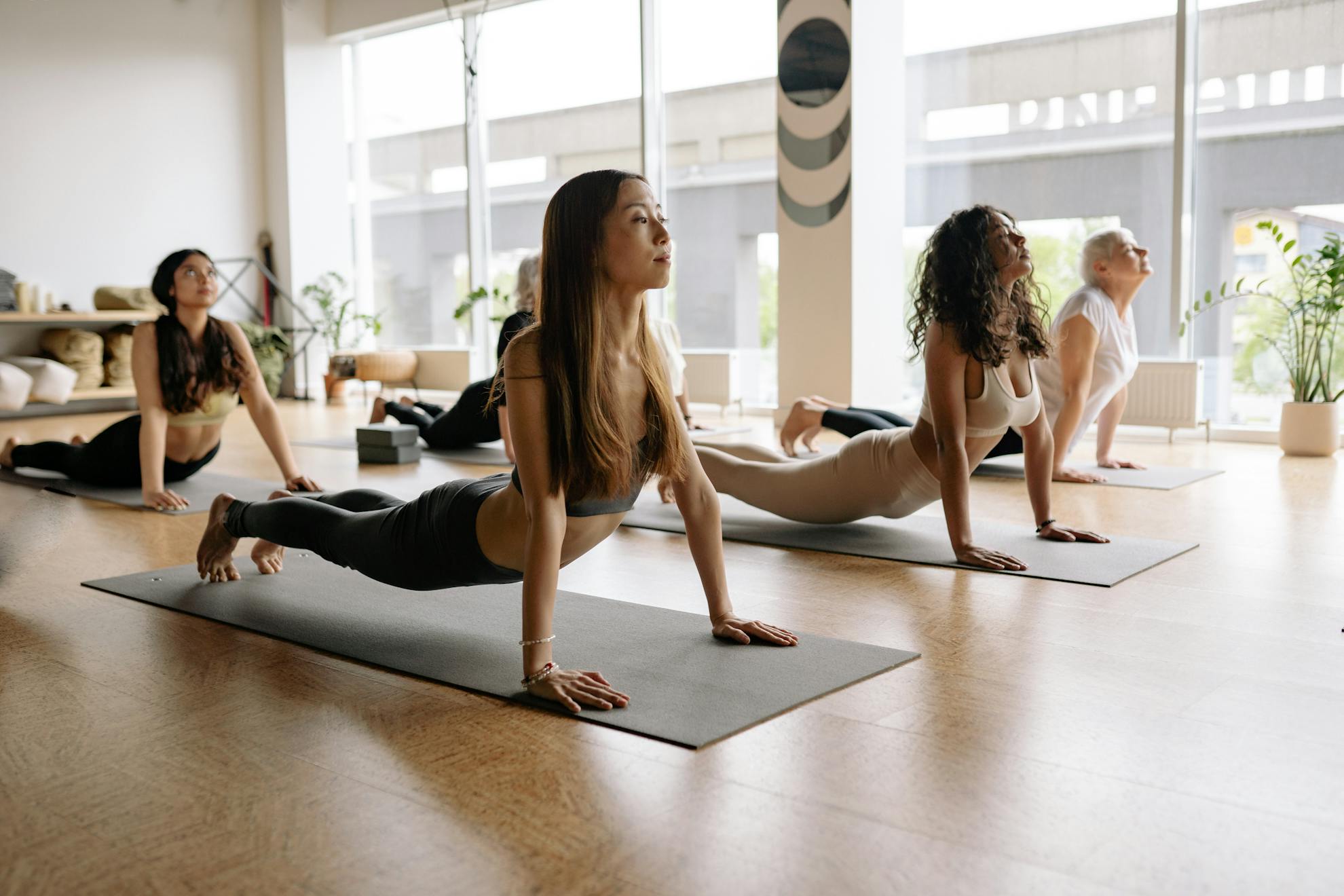
Transformation is a word we see everywhere these days, especially on retreats. But what does it really mean? And why are so many retreats offering it as part of their experience?

On Retreat with Your Yoga Teacher: A Journey Back to Yourself
I have been practising yoga for about eight years and teaching for the past eighteen months. When I finally felt it was my time to guide others along the yogic journey, I also knew that my own practice was far from finished. My curiosity and hunger for growth led me to immerse myself in three Moksha Yoga Teacher Trainings. After completing my 200-hour training in Bali in January 2024, I continued with a 110-hour Meditation Teacher training, and then dove into Yin and Sound Medicine simultaneously.

Packing Wellness: A Conscious Approach to the Way We Travel
There’s a certain beauty in packing not just clothes or chargers, but your rituals. A yoga mat, a journal, snacks that feel good, shoes that let you walk for miles — these are tools that shift travel from hectic to healing.

Rituals in Motion: How to Make Wellness a Habit, Anywhere
Wellness doesn’t begin and end in your home or at the studio or gym you belong to. It can be a mindset you can carry, a ritual you can roll out wherever you land. From morning breathwork on a balcony to journaling beside a window in a new city, the rituals that sustain you can become part of the way you travel, work, and live.

Leaving Again, This Time It’s Different
We left Bali today after two wonderful months of getting to know ourselves again. That might sound odd, but when you’ve lived in survival mode for so long, it’s impossible to know who you are beneath the armour—armour that’s protected you from chaos, but also from truth. Truth like: you were ticking boxes, going through motions, cohabiting with someone who was quietly slipping into sadness. And truthfully, the silence about that sadness made it hard to distinguish what was "normal" from what was drowning.

New Years Resolutions Or Renewed Ways Of Thinking About Things
Three years ago, when our blogs were hosted someplace else, I wrote: Finding The Right Vocabulary To Make Your New Years Resolutions Attainable. It was a time when we were all in different places; many of us had no freedom, very little in the world of choices, and we were all a little gloomy. This year, ending 2024, feels hopeful, empowered and freer.
What Is The Meaning In A Raindrop?
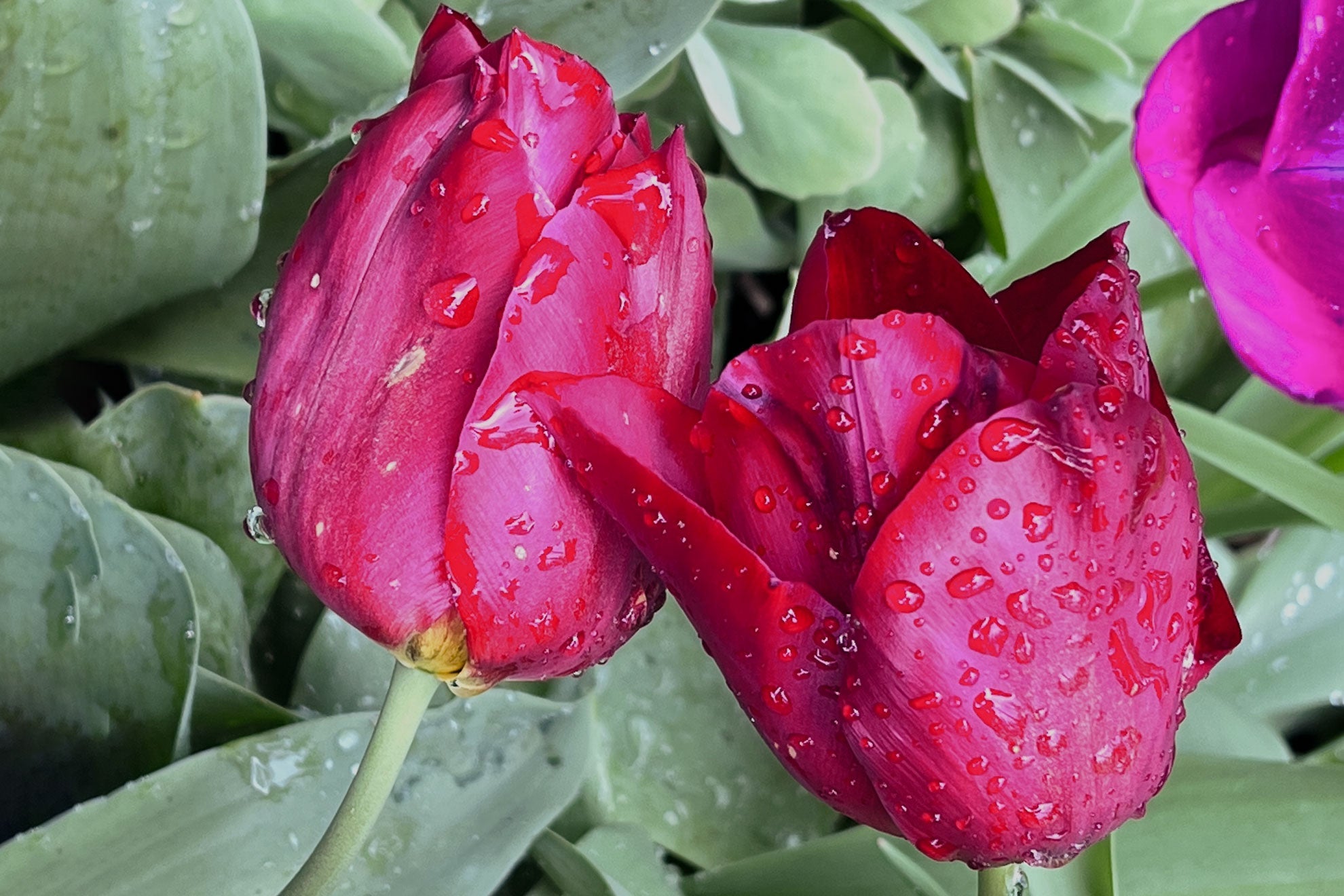
When the rain drops from the sky it transforms the ground beneath it, if only for a moment, this temporary change is part of the cyclical nature of our world.
The Power of Journaling
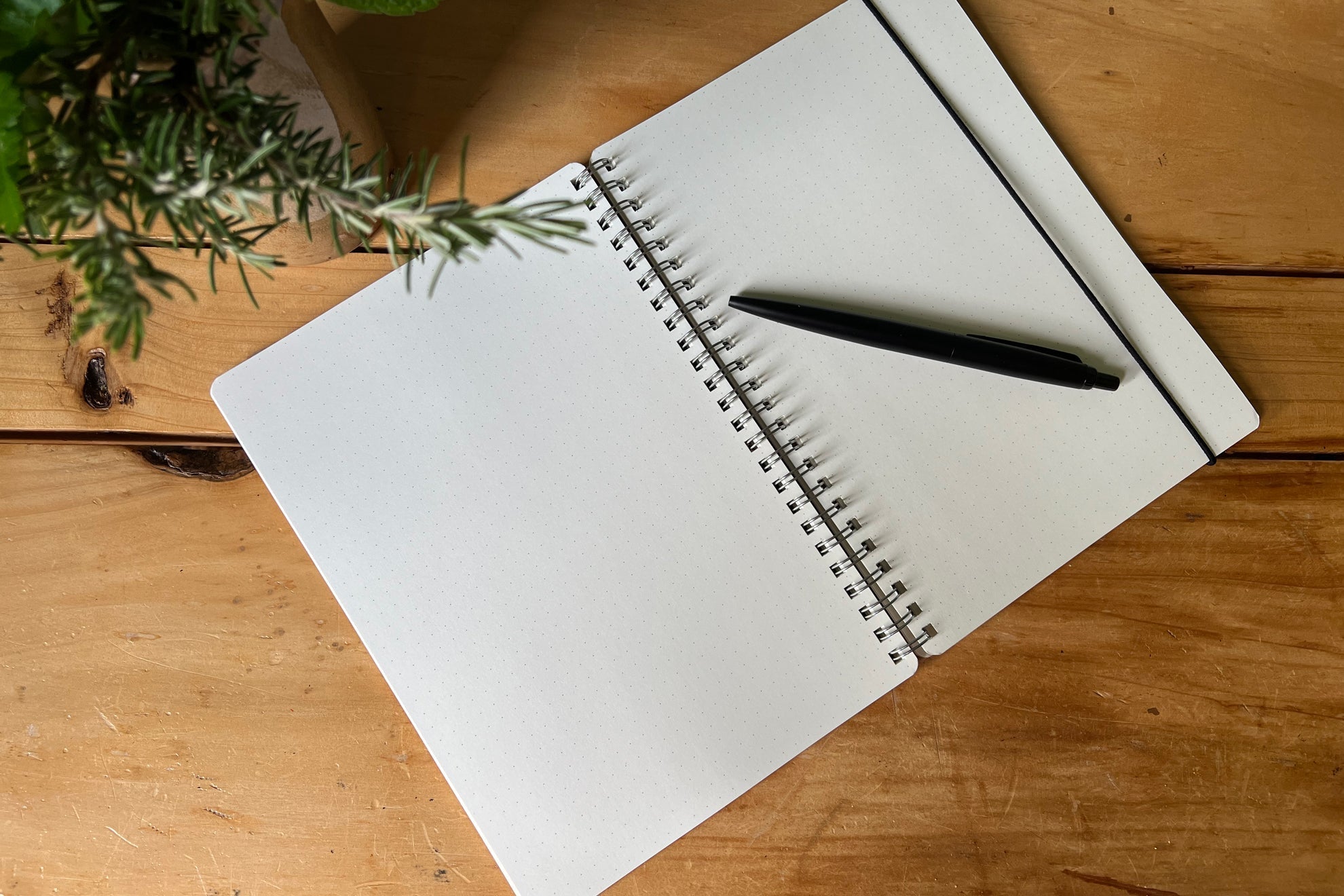
Writing regularly is something that is said to free the mind, to process one's thoughts, to download the noise. For some, it is a collection of thoughts that were, in the moment of writing important. For others, it's a way of making sense of the hundreds of thoughts we carry every day.
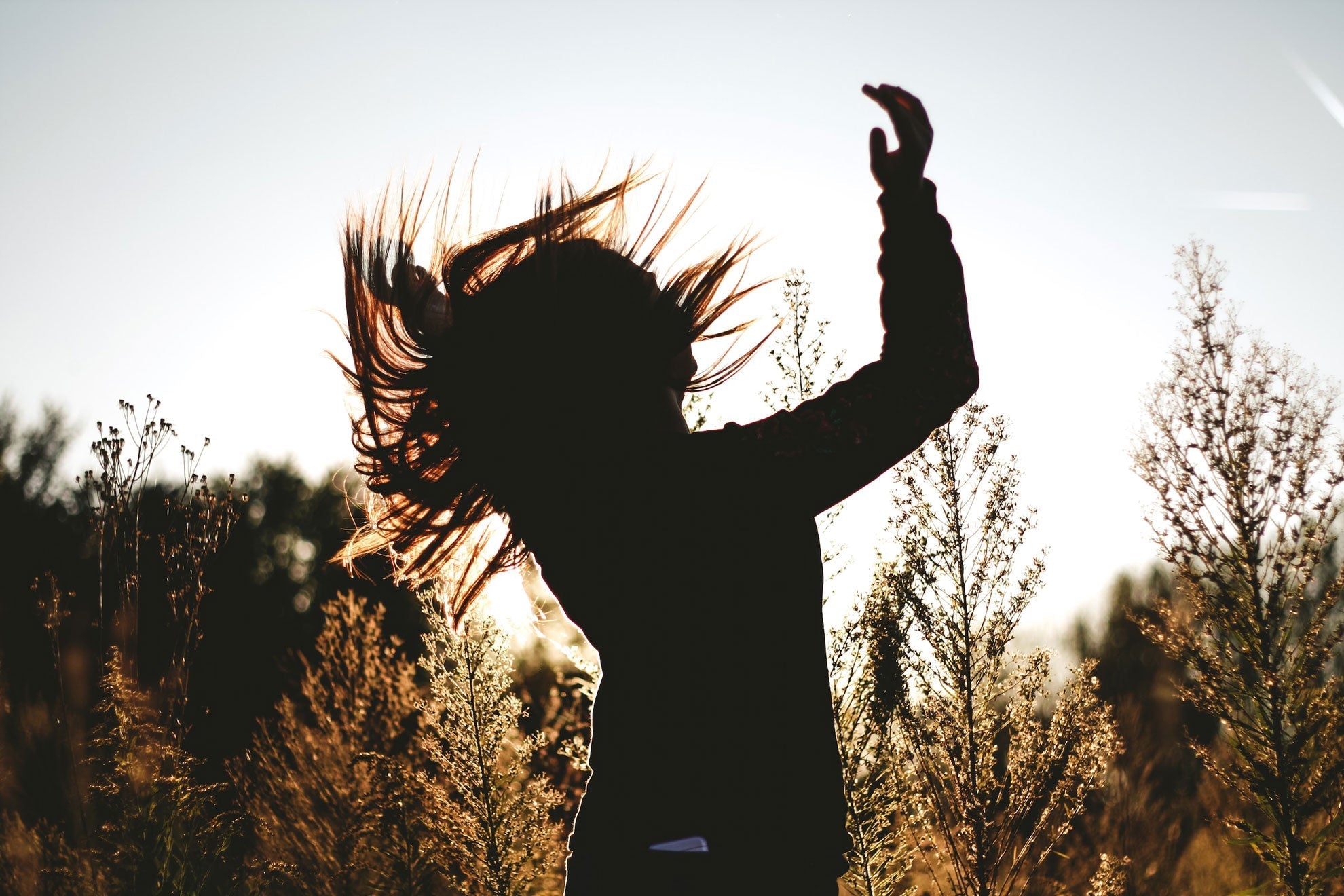
Sensitivity and Introversion - Susan Cain's book Quiet
The overarching message that I got from this book was that you can unleash the power in the quiet and learn to be more of yourself in the not-so-quiet. Social and other so-called extroverted activities are learnable skills that can be scaled gradually so all introverts can enjoy both the solace and the social, in a setting and environment that nurtures them. It’s ok to be the person looking for the most interesting conversation in the room,
Moments of Clarity
You watch day by day thinking that these things you witness are normal, and then all of a sudden out of nowhere, you see something in a new light and for the first time ever you realise that the conflict in your work life and the person you are can no longer coexist in the way that they have done for years.

The Multi-Dimensions Of Wellness Part 1: Understanding the Whole of Who We Are
Living a wholesome life with good stable mental health is what we all dream of, isn’t it? Why is it that when you google wellness or well-being you are met with long-form complicated articles, fluffy images with soft pink colours or centres for massage and facial treatments? It’s no wonder we all seem so confused.
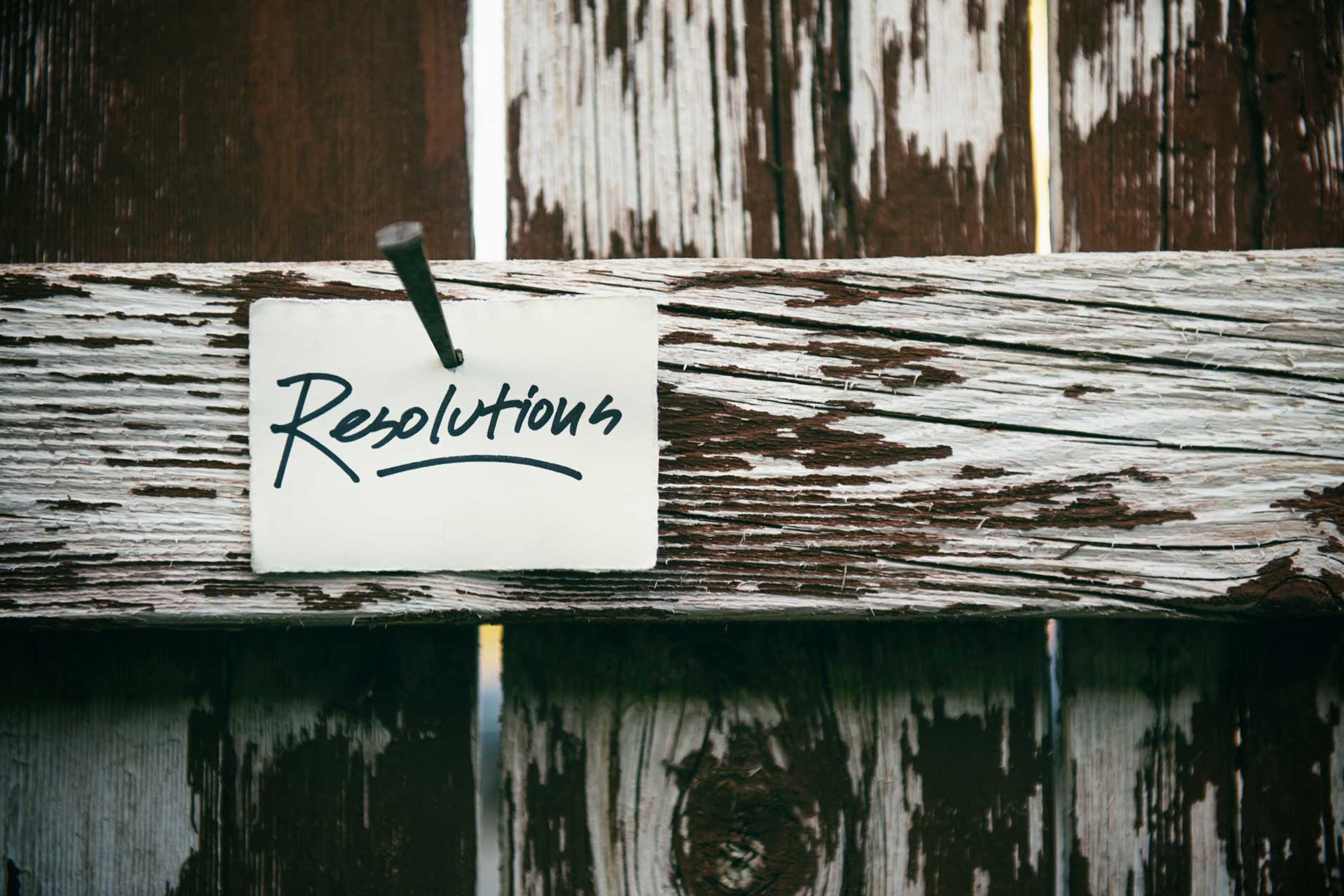
Finding The Right Vocabulary To Make Your New Years Resolutions Attainable
Away with friends this year instead of the time old classic of going for drinks and dinner, watching the fireworks or any other habitual example you can think of. It’s not that I am above all of it this year, it’s just that I’m not sure what I would be celebrating, another year - with restrictive freedoms still likely being something we coexist with, it’s different somehow.
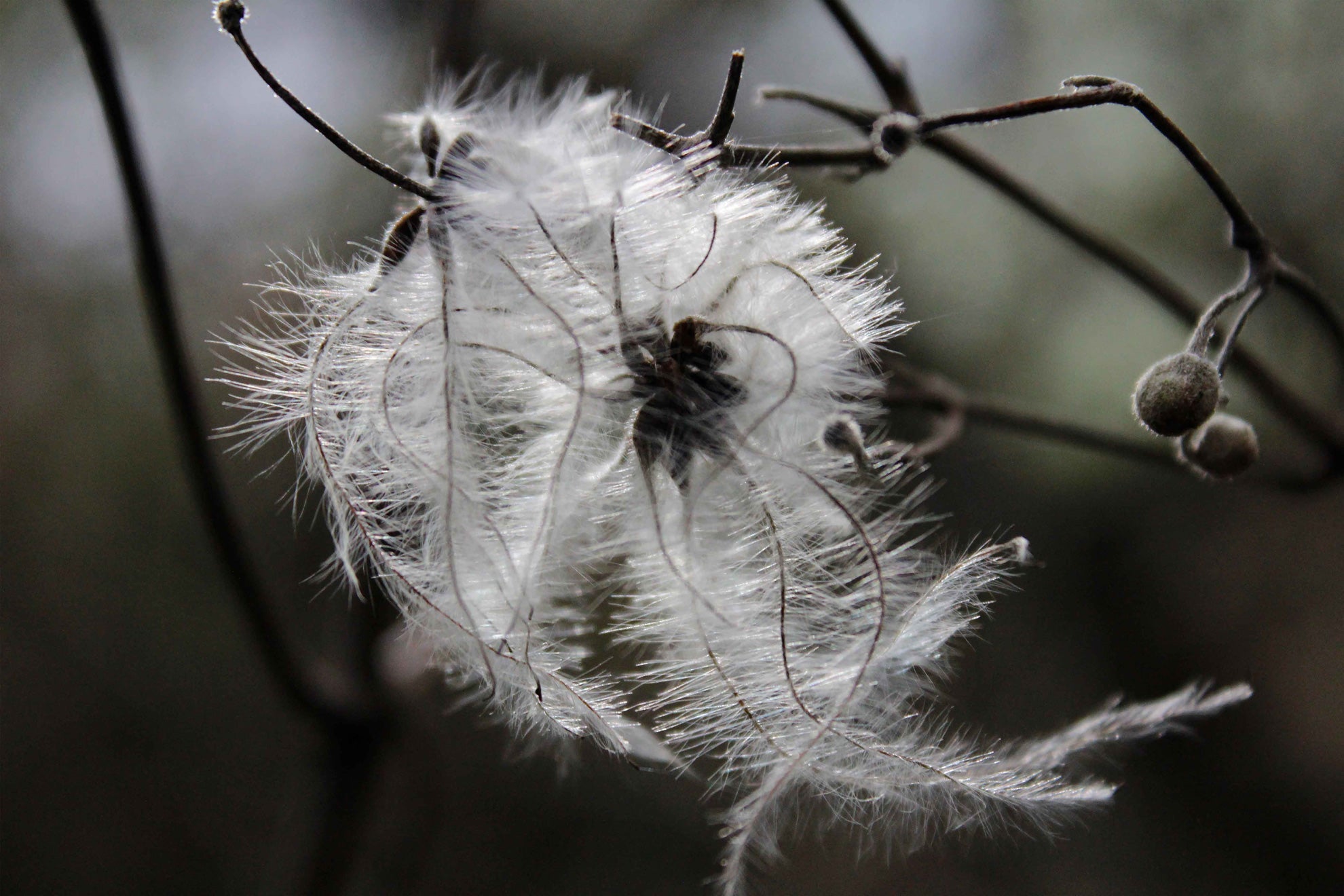
Natures Patterns
Have you ever thought about the patterns that we live amongst, the nature that surrounds us and the peace that can be found in the symmetry, the design and the truthfulness of it all?