Opportunity
16 articles

What Burnout Really Looks Like — and How to Listen to It
After one of the most challenging years of my life, I think I finally realise what burnout is. The saddest thing of all is that now I am on the right side of my experience, I watch helplessly as others around me experience the same thing but with different outcomes.
More tagged “Opportunity”

The Words & Contemplations Podcast: Conversations, Meditations and the Things We Wish Someone Had Said Sooner
There is a particular kind of company that a podcast can offer. You are driving somewhere, or walking somewhere, or doing the necessary but not particularly fulfilling task of existing in the world, and there are two voices in your ears. You don't know these people, not really. But you've grown fond of them in the way you grow fond of anyone who is consistently honest with you about the things that matter. We wanted to build that.

Seeing Desire for What It Really Is
We often look to others to decide what we want. We glimpse a moment in their life — a success, a lifestyle, a relationship - and imagine that having what they have will complete something in us. In truth, what we’re seeing is never the full picture. It’s a snapshot lifted out of a much longer, messier, deeply human story.

Removing the Habits That Keep You Stuck: Do A Habit Audit: Hard Questions, Small Changes, Big Shifts
We all have habits that serve us, and habits that don’t. The tricky part is: sometimes the ones that don’t serve are the ones we cling to because they feel familiar, safe, known. This post will guide you through an honest audit of your habits, apply research from behavioural psychology (including key ideas from Atomic Habits by James Clear) and offer a list of very practical, gradual changes you can make — changes you control, sustainable and within reach.
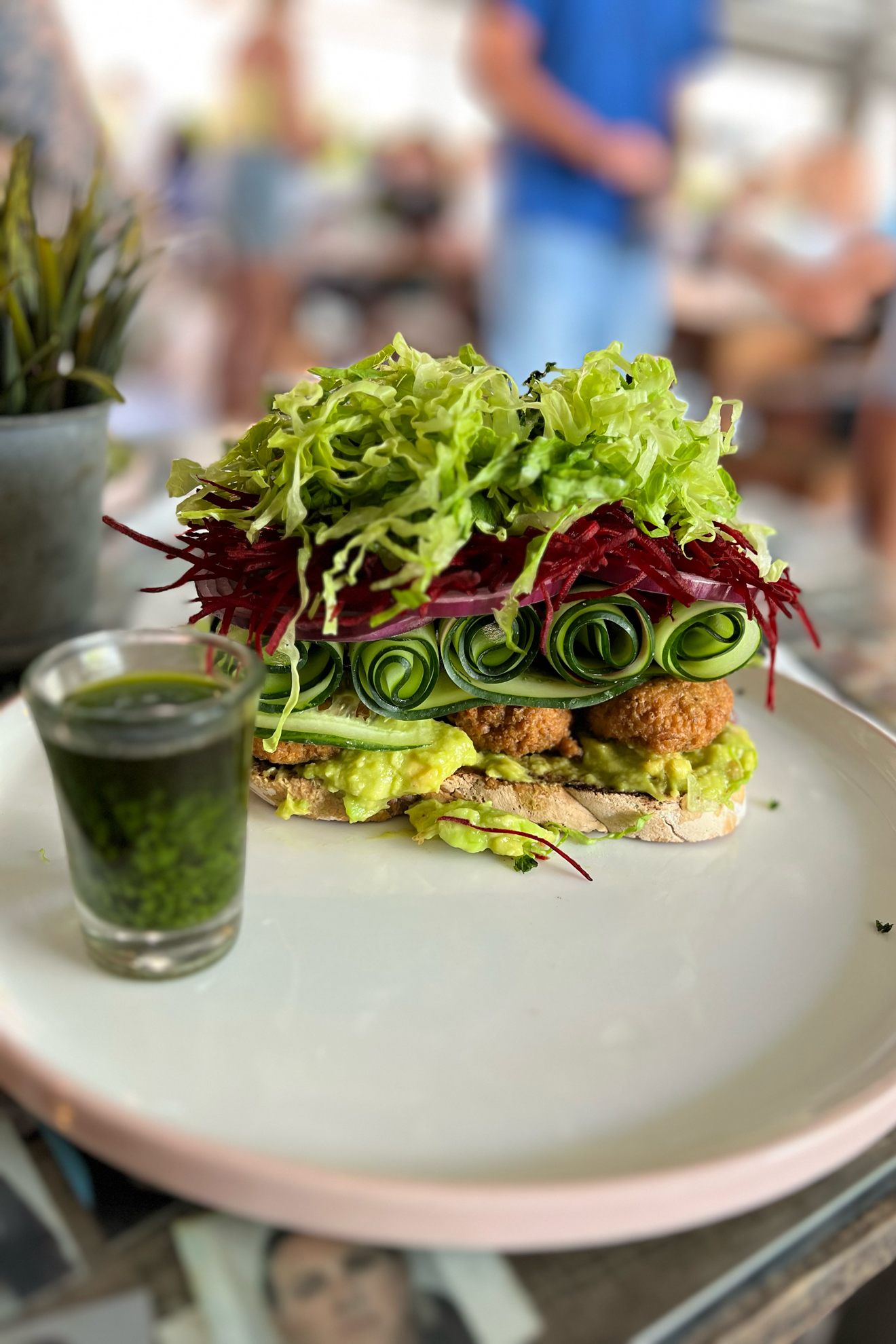
Eating for Longevity: How Modern Science Confirms Ancient Wisdom
Beyond fad diets and marketing trends, both science and ancient Ayurvedic wisdom tell us the same truth: real, whole food can heal. Studies now show that balanced, minimally processed diets improve longevity, brain health, and emotional stability. Ayurveda has been teaching this for millennia: food is medicine, and the way we eat is a mirror of how we live.
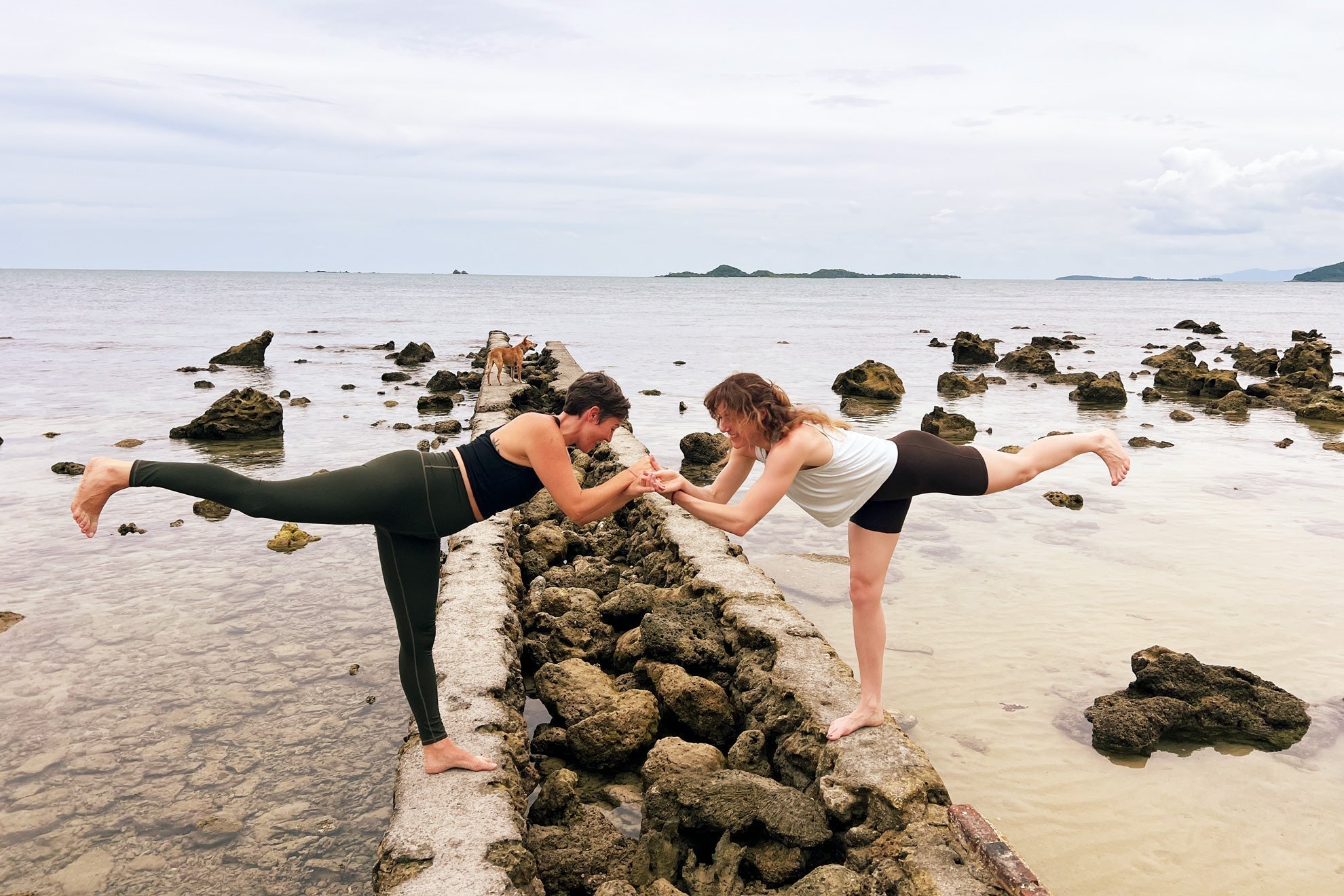
Chance Encounters That Change You: How Travel Brings the Right People Into Your Life
There are people in our lives who remind us to play; the ones who make you want to cartwheel on the beach, run along the sand, or balance, laughing, in a rock pool in warrior three. On my Koh Samui retreat, there was one such person: Bronte.
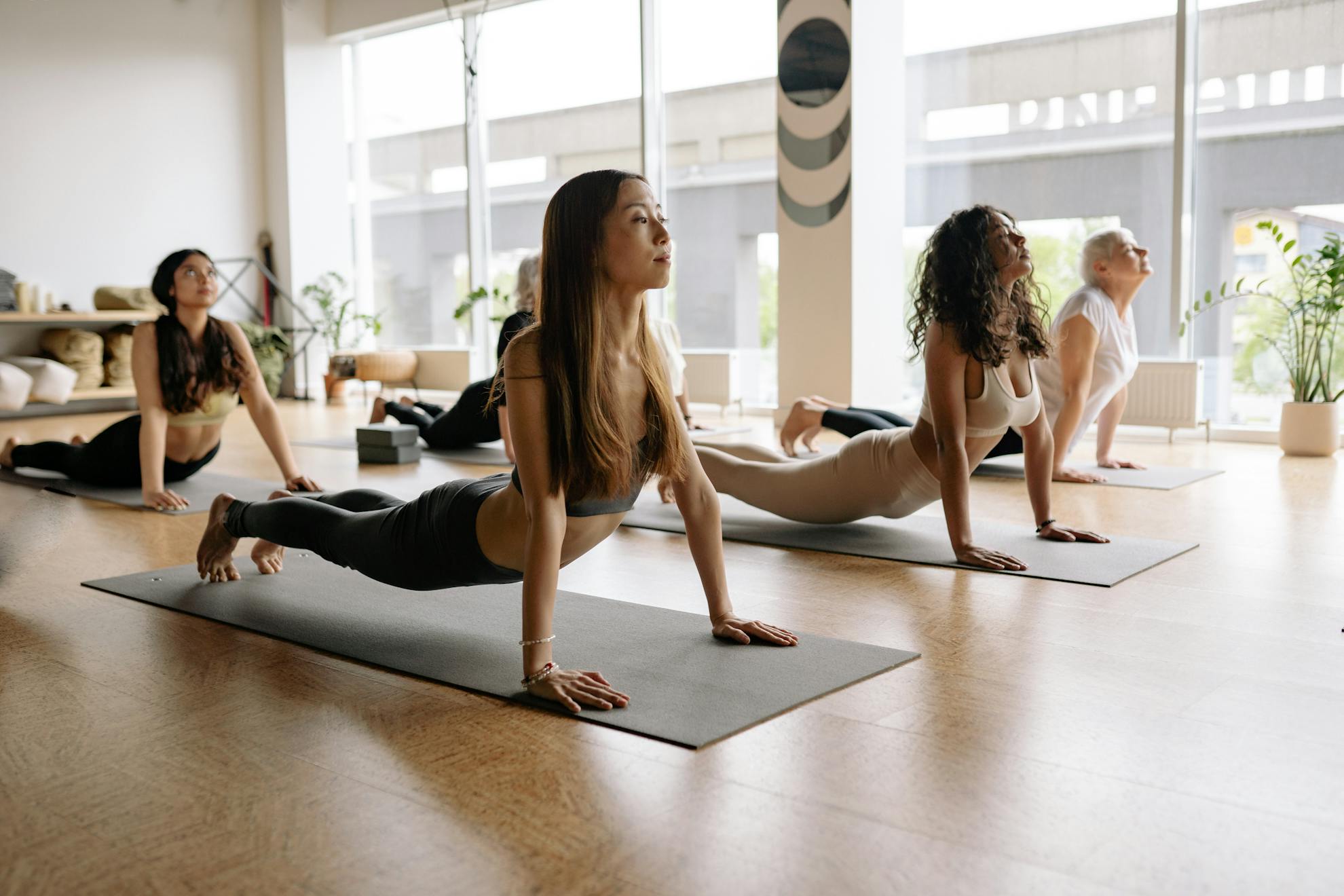
Transformation: What It Is and Why Yoga Retreats Promise It
Transformation is a word we see everywhere these days, especially on retreats. But what does it really mean? And why are so many retreats offering it as part of their experience?

When Your Environment Sets Your Limits: Rethinking Boundaries and Self-Worth
There’s something quietly profound, and often overlooked, about the boundaries and standards that shape our lives. Not always the ones we consciously set, but those gently handed down to us by the people and spaces we inhabit. Whether in work, friendships, family, or romantic relationships, these invisible lines quietly frame what feels possible, what we believe we deserve, and ultimately, how we see ourselves.
What Do You Truly Value?
This is a gentle invitation to explore worth beyond work and wealth, going deeper into what it means without the cultural lens that you sit behind, the one determined by your place in the world, physically, metaphorically, familiarity, etc.
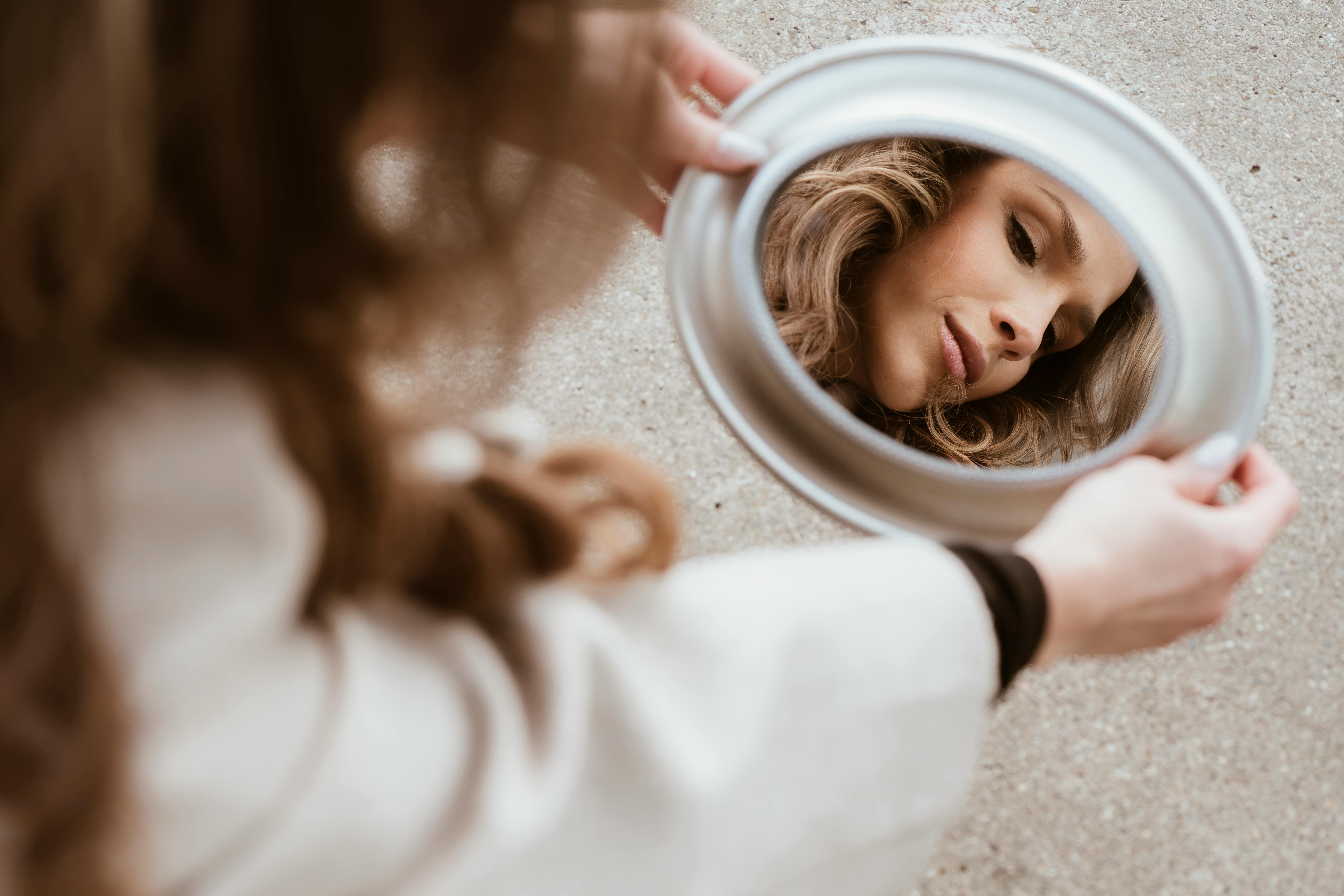
Learning to Sit With Yourself (and Everyone Else Too)
Regulating our emotions is a journey. You might be someone who feels deeply. Who notices the shift in the room when someone else enters. Who picks up on unspoken tensions, unmet needs, and unsaid apologies. You might be empathetic, curious, creative—and sometimes, exhausted. You may have learned to manage your emotions with a certain grace, yet still find yourself undone by the sudden sharpness of disappointment or frustration.
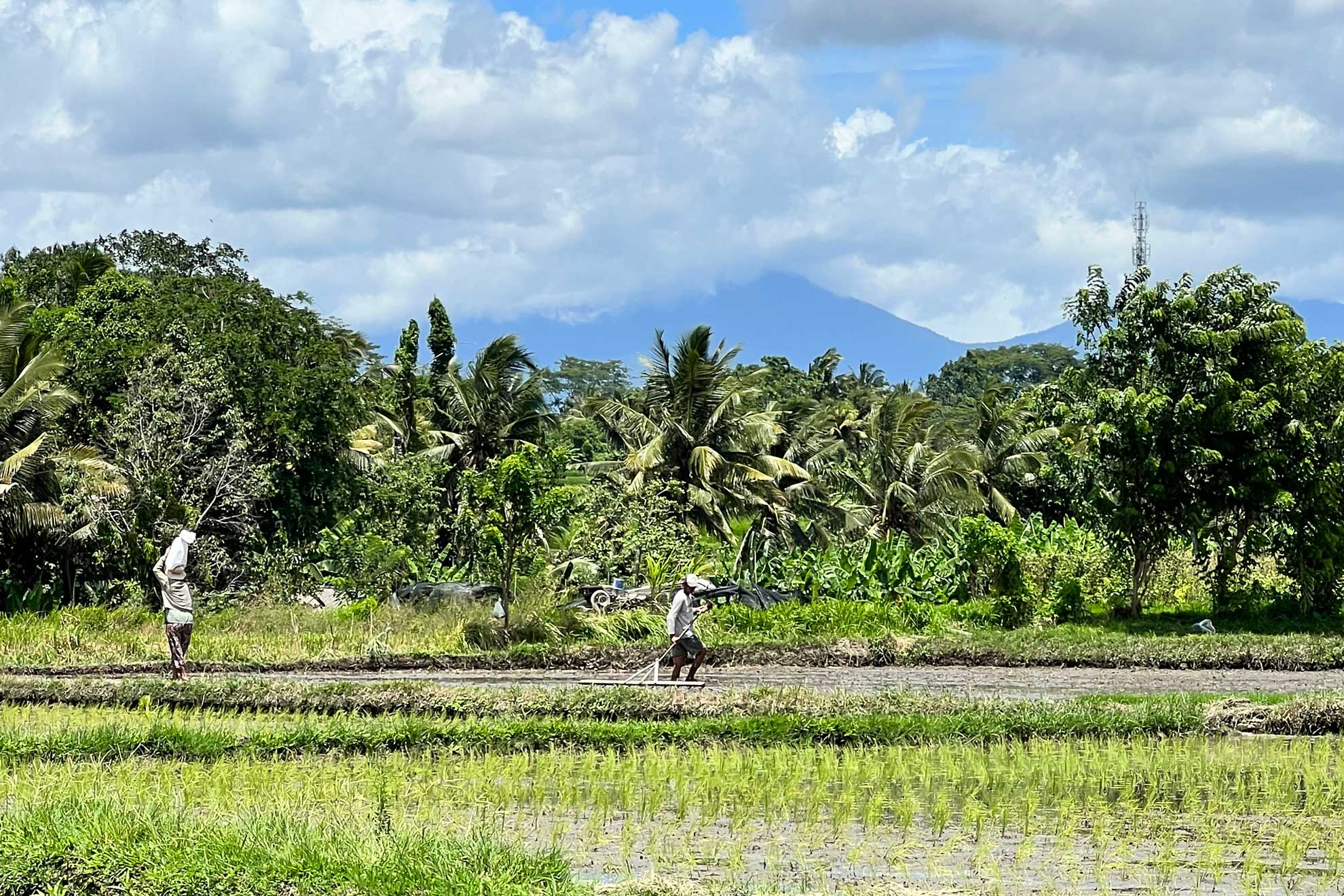
Travel Diaries - Adult Gap Year, Week One
The first week of my adult gap year has arrived, and with it, a sense of liberation I never knew I needed. I sit quietly in a hotel, my entire life packed into a 3x3 box. Why do things hold such meaning for us? We save up, we buy, we collect, we part with them—yet in the end, isn’t it the people, the experiences, and the moments that define our true sense of home?
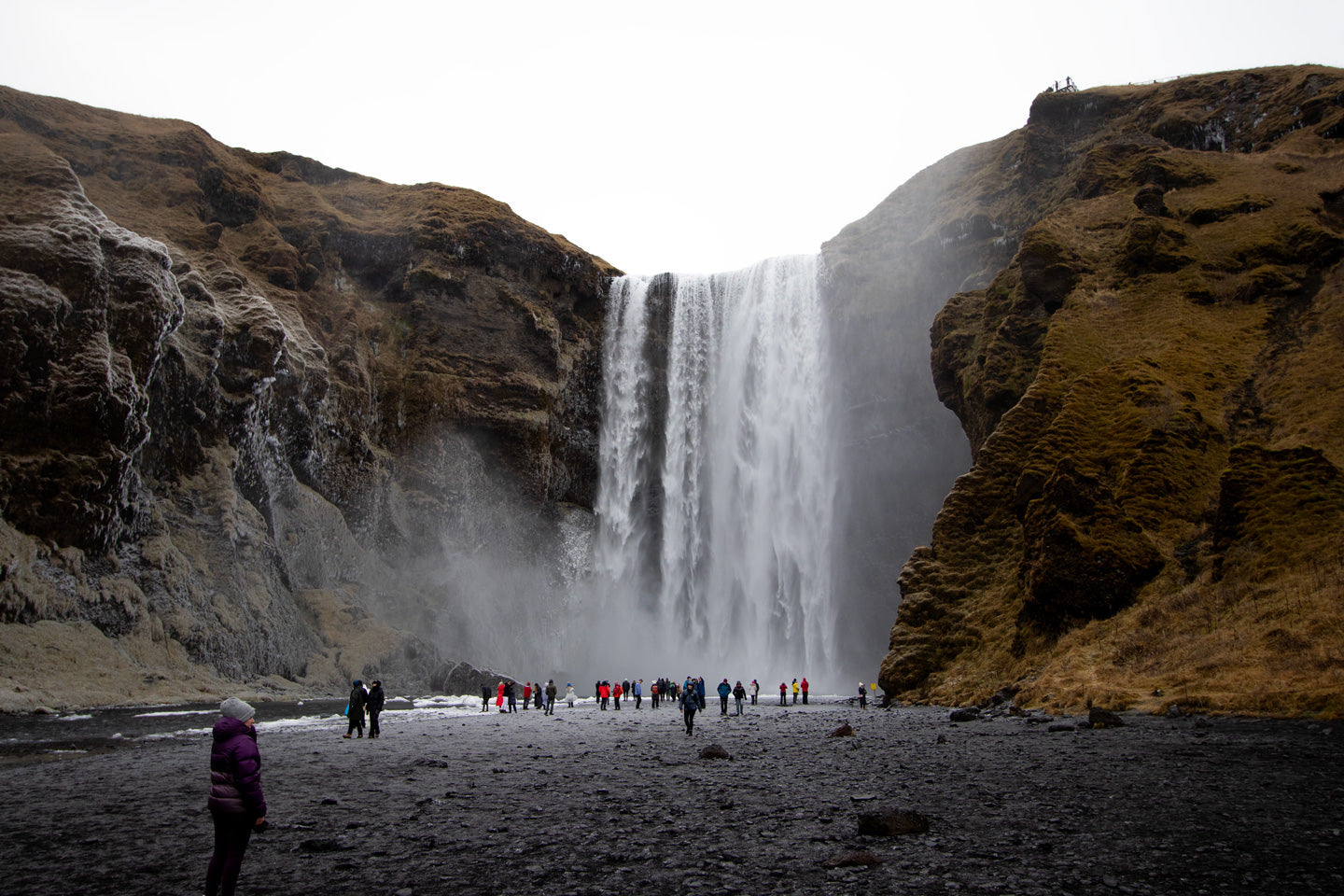
10-day Iceland Ring Road Itinerary For Early Winter.
Iceland is a destination that promises awe-inspiring landscapes, from cascading waterfalls to volcanic craters, glaciers, and geothermal wonders. This 10-day Iceland Ring Road itinerary in early winter is perfect for those seeking a winter adventure filled with breathtaking views, hidden gems, and unique experiences.

New Years Resolutions Or Renewed Ways Of Thinking About Things
Three years ago, when our blogs were hosted someplace else, I wrote: Finding The Right Vocabulary To Make Your New Years Resolutions Attainable. It was a time when we were all in different places; many of us had no freedom, very little in the world of choices, and we were all a little gloomy. This year, ending 2024, feels hopeful, empowered and freer.
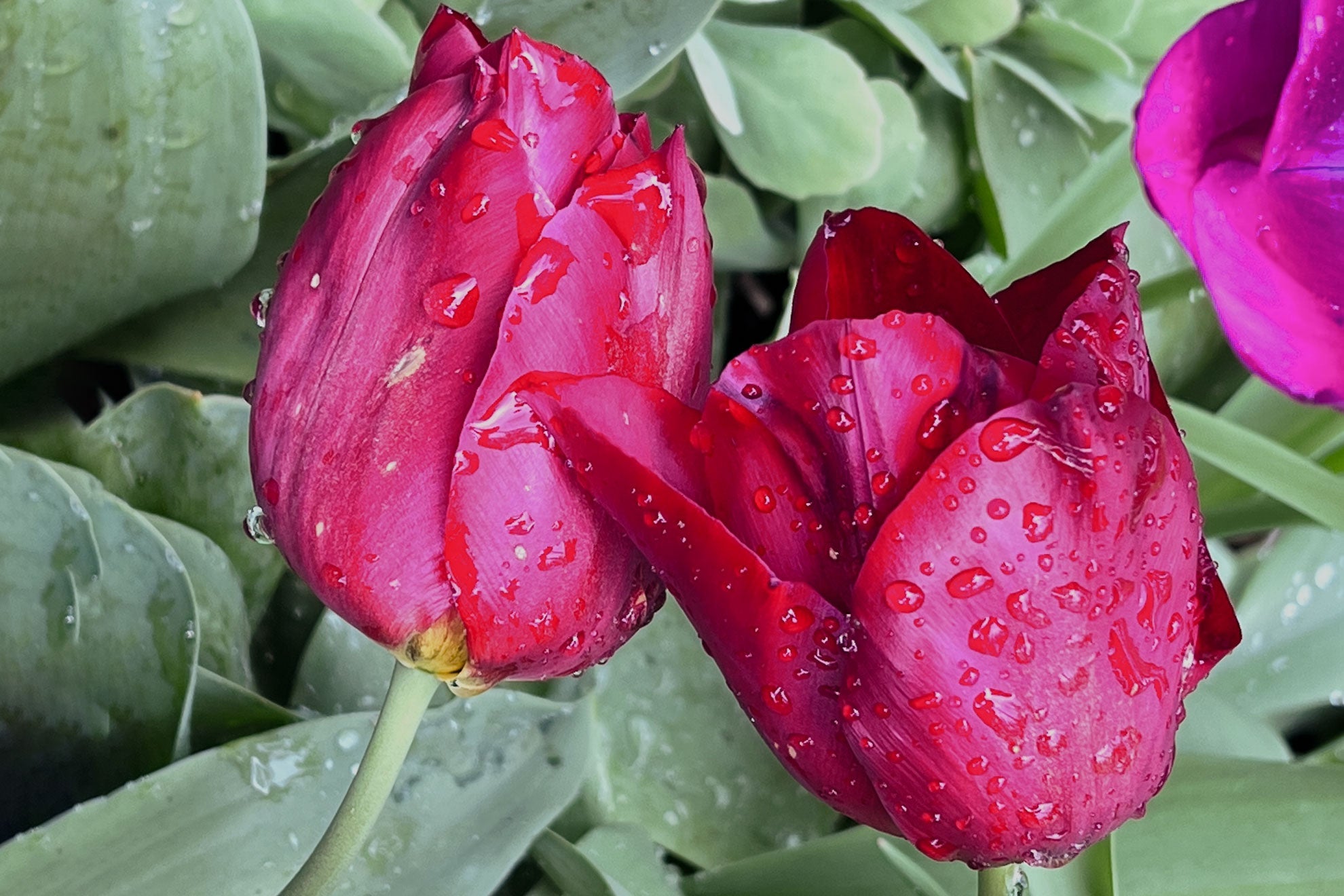
What Is The Meaning In A Raindrop?
When the rain drops from the sky it transforms the ground beneath it, if only for a moment, this temporary change is part of the cyclical nature of our world.

Value & Worth Are Not Pay.
Have you ever really thought about how you determine your value, how much are you worth and if your worth is measured and paid for in currency, should it be? As a culture, we seem to be focused on how much money people have. But there has to be other ways to look at how you internally measure yourself.
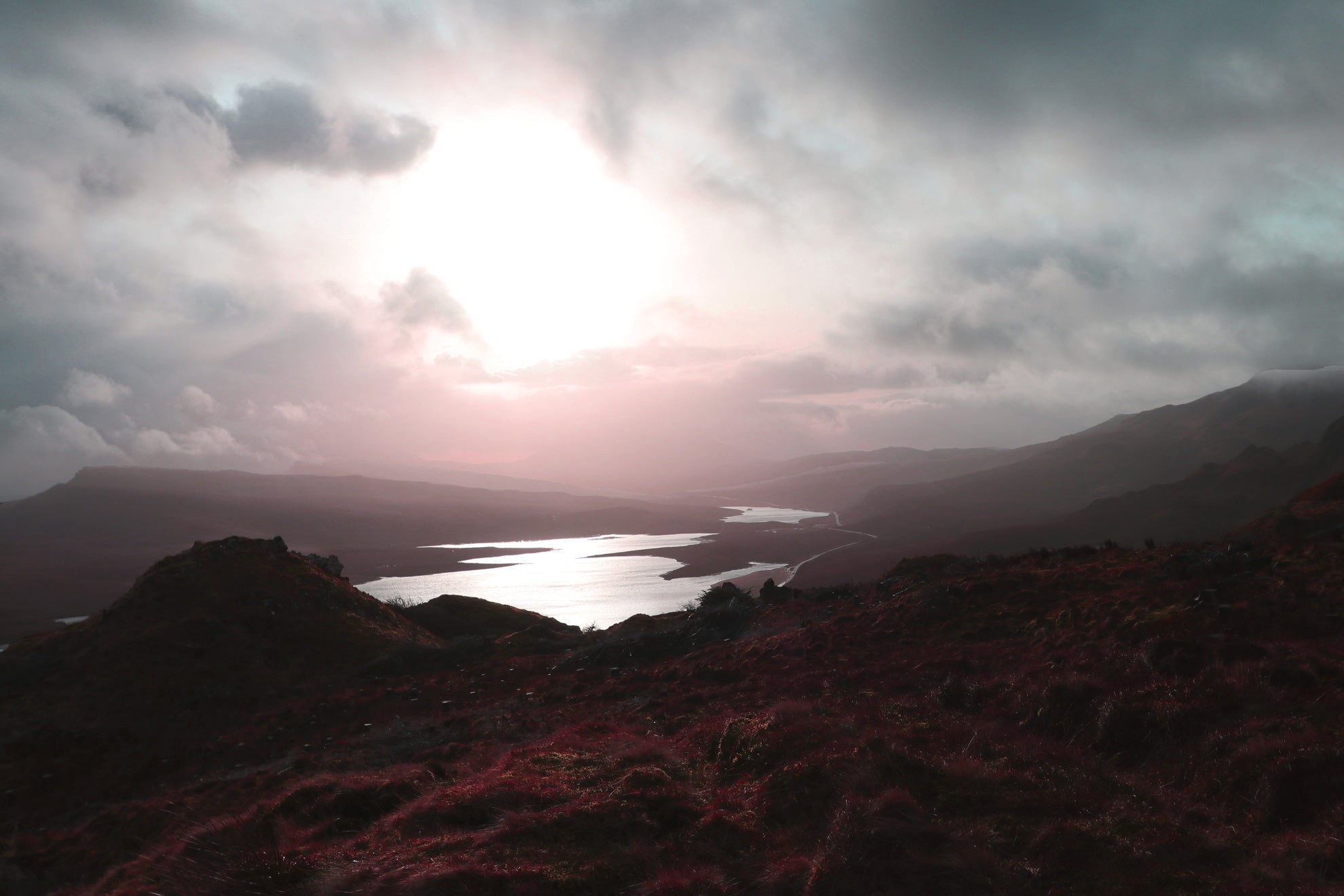
A Time Without Travel
In a time such as now, it has been impossible to plan anything and those of us who used to travel the world collecting memories from all the places we visited are a little stuck. What is there to look forward to? What can we do to find this value in our everyday lives?