Resilience
41 articles

Where to Begin When Starting Over Feels Overwhelming: A Gentle Guide
Someone asked me recently: how do you know when you're ready to start over? And my honest answer was: you usually don't. You start before you're ready, because the alternative, staying still in something that no longer fits, has finally become more uncomfortable than the fear of moving.
More tagged “Resilience”
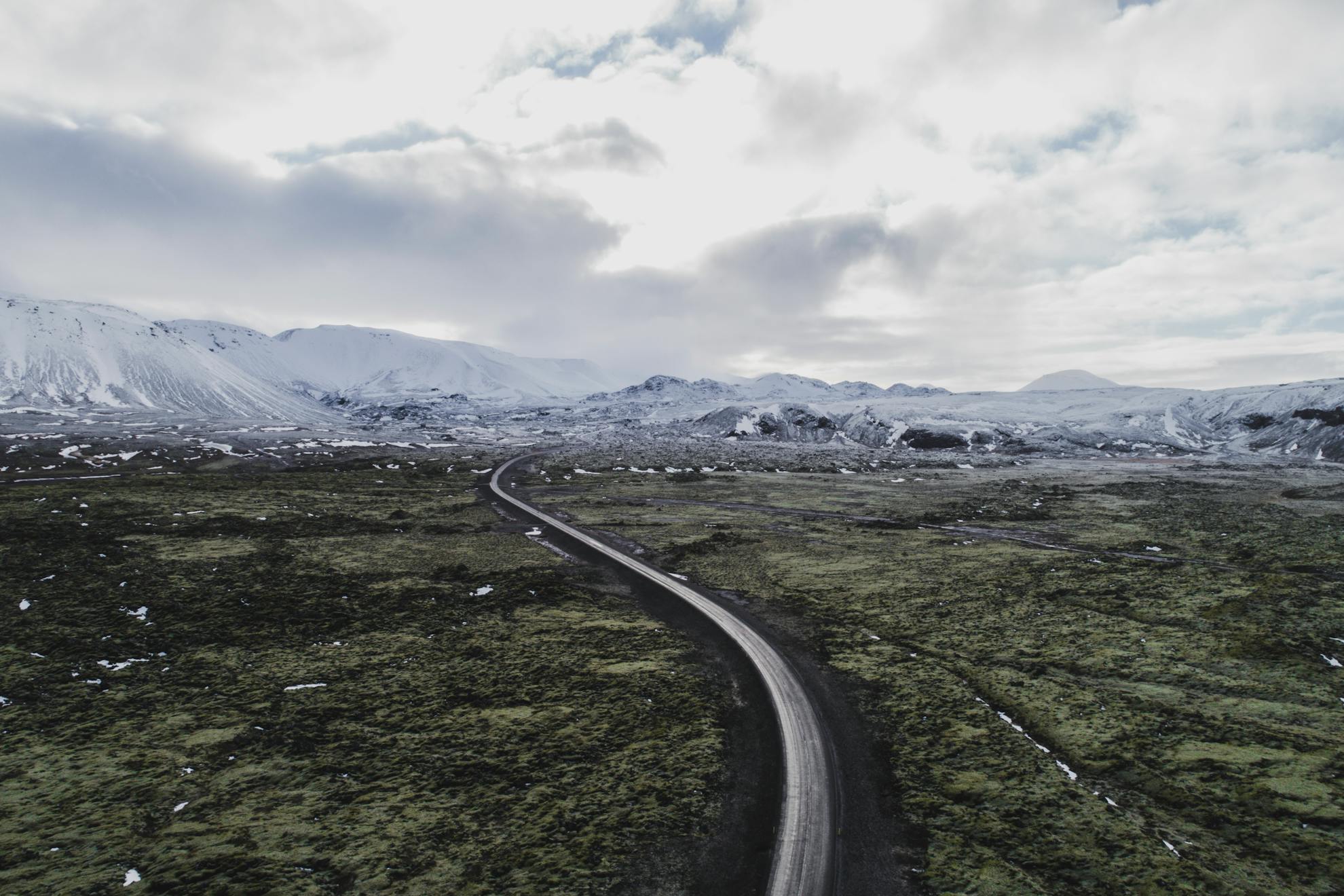
I Took the Hard Road, They Said It Had the Best Views
Here is a question I have been sitting with: If someone offered you a shortcut - not a cheat, not a bypass, but a genuine, faster way through - would you take it? Or would you need to feel your way there first? Would you need to walk the whole long road, with its wrong turns and its weather, before you trusted where you'd arrived? I have been asking myself this honestly. And the honest answer is: I think I needed the long road. Not because suffering is noble or because hardship is a prerequisite for growth. But because of something more specific to how I am wired. I needed the felt sense.
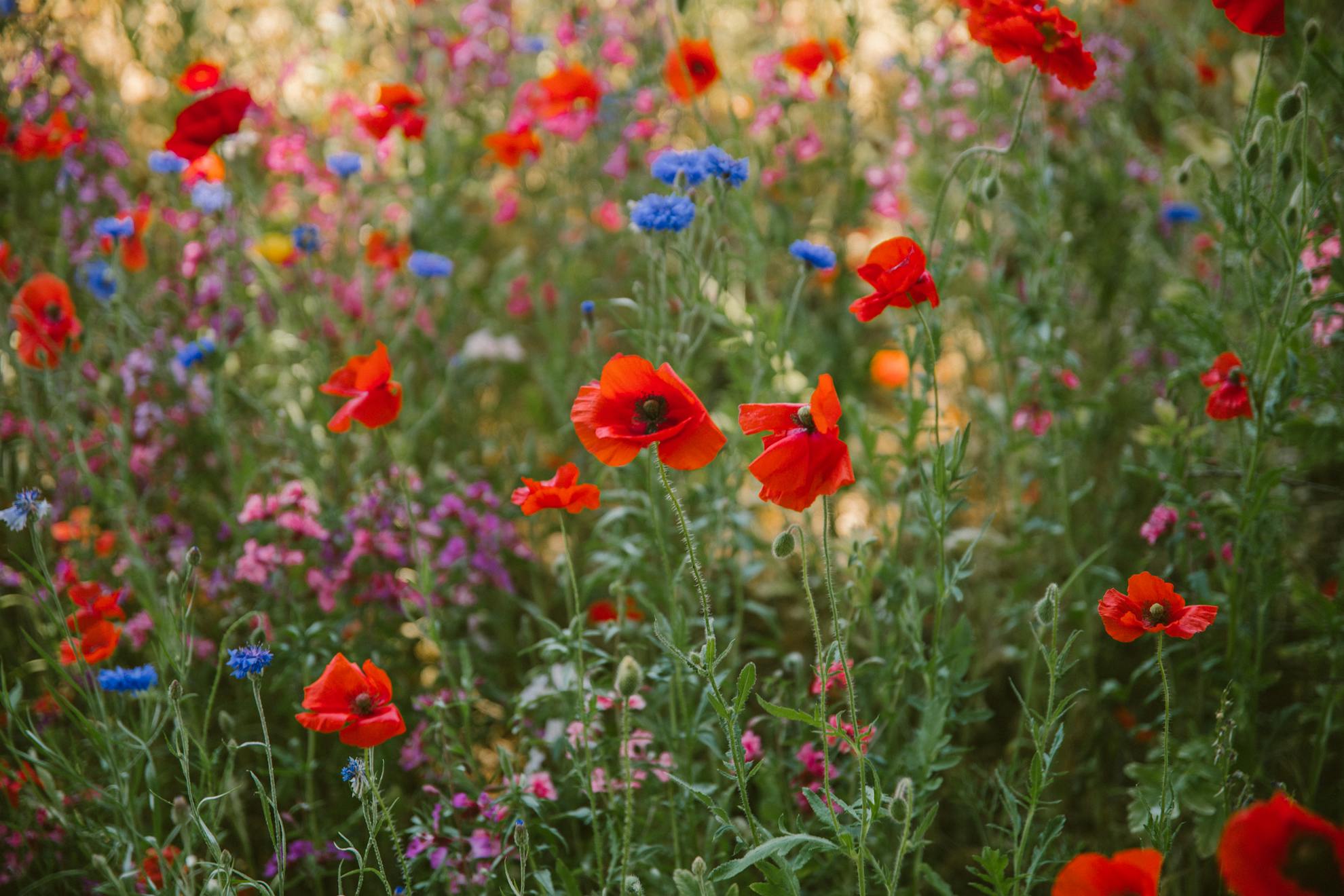
The Meadow of Memories: What If Every Experience You've Had Deserves Equal Ground?
It stretches as far as you can see in every direction. And in it, flowers. Hundreds of them. Thousands. Each one is a different colour, a different height, a different shape. Some of them face the sun. Some of them are bent slightly from the weather they have lived through. Some are in full bloom. Some are past their peak.

The Power of a Stranger's Validation: What Happens When You're Finally Seen
There is something quietly radical about being seen by someone who has nothing to gain from seeing you. No shared history. No reason to be kind. No obligation to agree. Just a stranger, and their words, cutting through years of noise to land somewhere deep and still inside of you.

Meditation Myths Debunked: How to Actually Begin (Or Begin Again)
I have lost count of how many people have told me they can't meditate. Sometimes they say it with a kind of proud resignation, I've tried, I'm just not that kind of person. Sometimes, with a frustration that suggests they genuinely wanted it to work. Sometimes with a faint embarrassment, as though they've failed at something that seems to come easily to everyone else.

What Slowing Down Really Taught Me This Year: Coming Back to My Body, My Life and Myself
As this year comes to a close, I’ve been reflecting on what “slowing down” really ended up being for me. When I imagined it, I pictured beaches, sunrise yoga sessions, sunsets with salty hair, and the kind of inner peace that glossy wellness posts make look effortless. And yes, there were moments that felt like that. But most of the time, slowing down wasn’t glamorous. It was messy, humbling, grounding and honest. It looked like a compromise. It asked me to make choices I didn’t always expect. It made me meet myself in ways I had never truly allowed before.
Listening Beneath the Mind: Yogic Practices to Heal the Samskāras That Shape Our Lives
We all carry stories that feel so familiar they might as well be our own voice — the subtle doubts, the quiet assumptions, the emotional reactions that rise before we even have a chance to choose differently. In the yogic tradition, these inherited imprints are known as samskāras: subliminal impressions carved into us through repetition, experience and unexamined memory.

The Yogic Path of Remembering: Seeing Beyond Samskaras and Old Narratives
There are moments in life when you realise that what you are reacting to is not the situation in front of you, but the echo of something much older.A familiar sting.A tightening in the chest.A story your body remembers even if your mind has forgotten its origin.

Eating for Longevity: How Modern Science Confirms Ancient Wisdom
Beyond fad diets and marketing trends, both science and ancient Ayurvedic wisdom tell us the same truth: real, whole food can heal. Studies now show that balanced, minimally processed diets improve longevity, brain health, and emotional stability. Ayurveda has been teaching this for millennia: food is medicine, and the way we eat is a mirror of how we live.
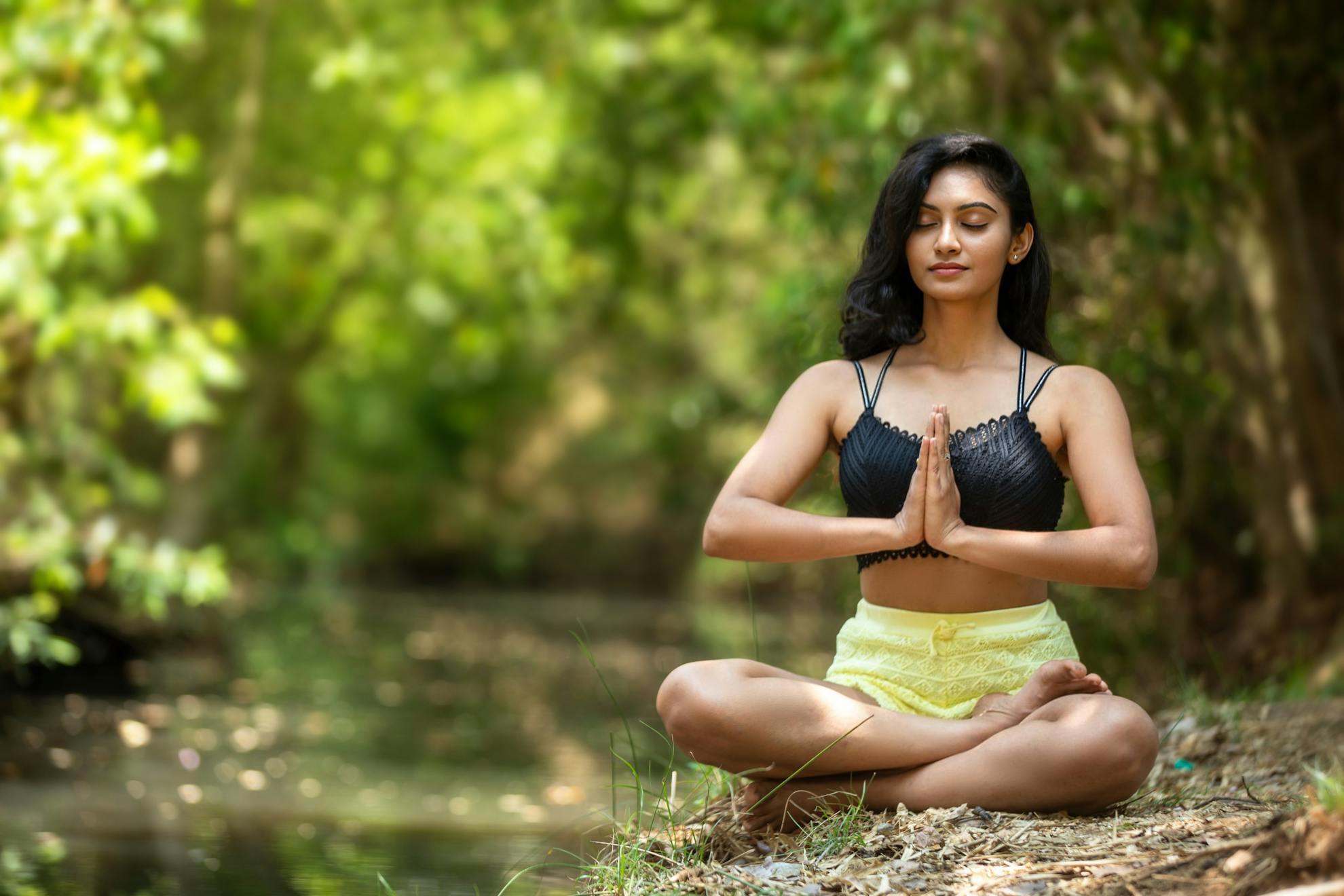
Yoga: Unlocking the Inner Technology of Consciousness
We often think of technology as something external — built, coded, controlled. Yet long before the hum of machines and the glow of screens, there existed another kind of technology: one that required no devices, only awareness. Ancient yogis discovered that within each of us lies an intricate network, a system of energy, emotion, and intelligence — capable of profound transformation when we learn how to access it.
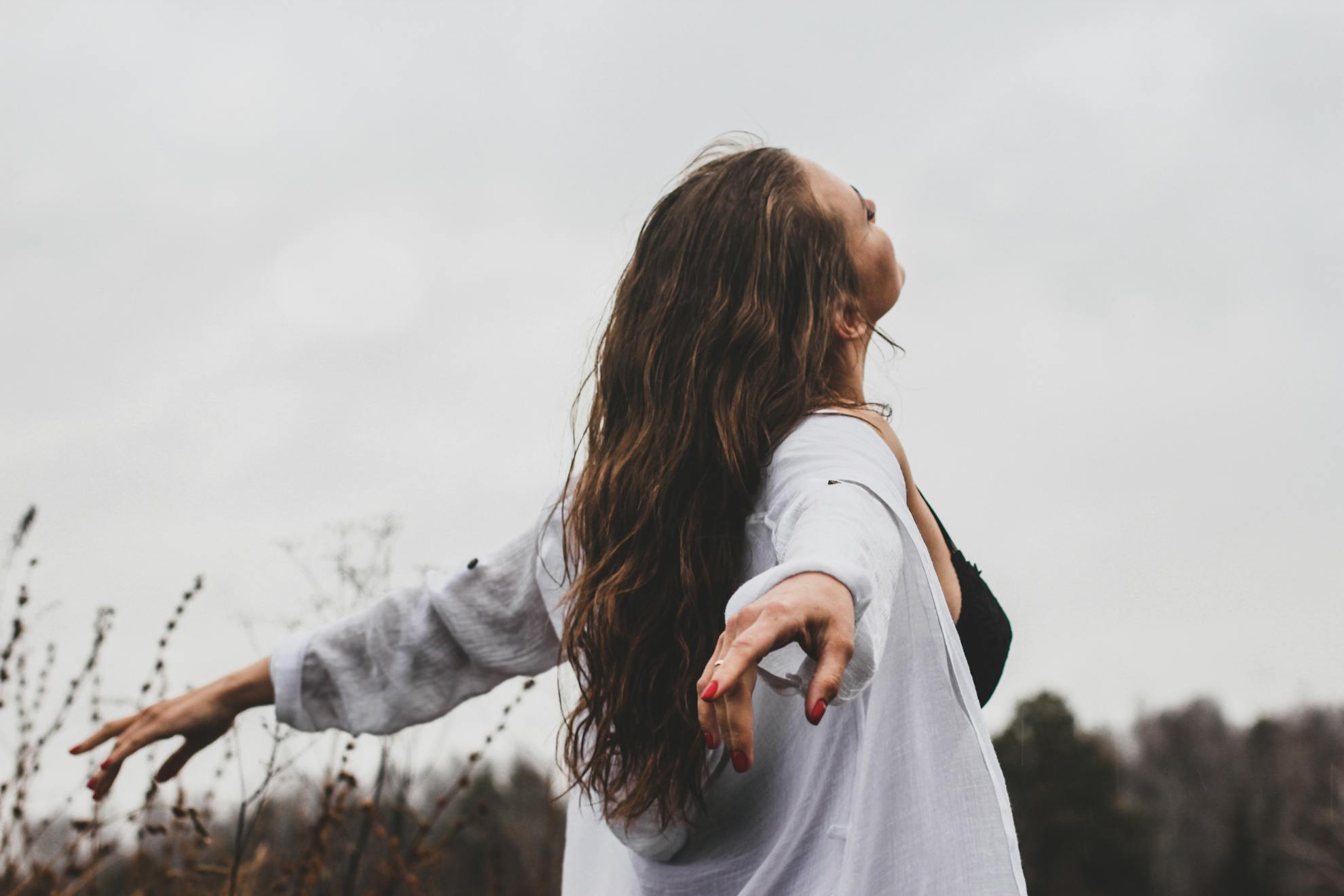
Life Lessons in Your 30s: Wellness, Growth, and Finding Yourself Beyond the Surface
A reflection on wellness, wholeness, and the quiet lessons that keep arriving. Your thirties are a middle ground, old enough to know better, young enough to still test the edges. Somewhere between who you thought you’d be and who you’re becoming, life starts to whisper its truths. This is the decade when awareness deepens, priorities shift, and the surface begins to crack in the best possible way.
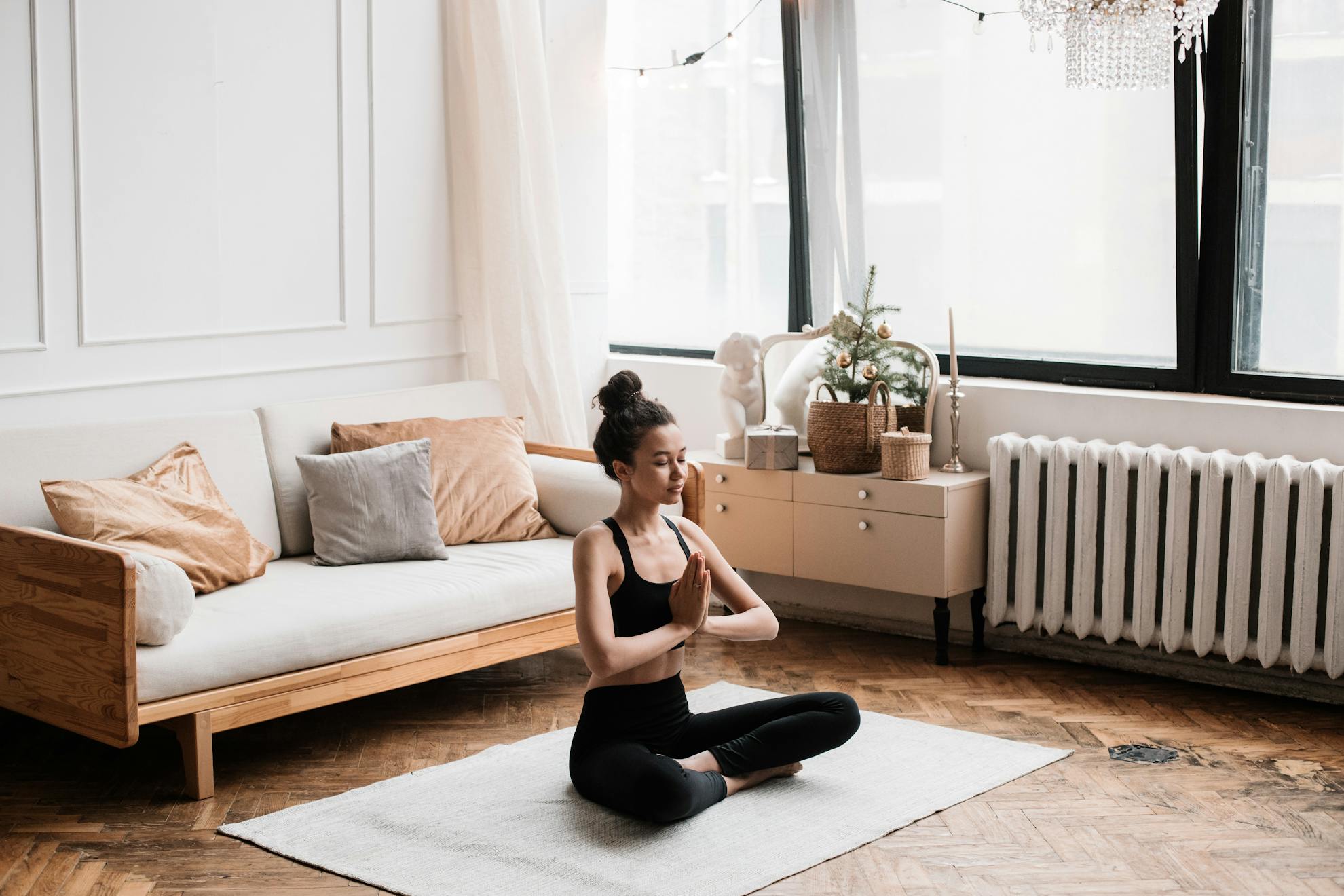
Meditations as Portals: Shifting the Mind, Soothing the Body
We spend much of our lives replaying the past, thoughts become familiar, feelings become habitual, and the body begins to live in cycles of memory. What feels like “just the way things are” is often simply a loop of remembered emotions.

Beyond the Past: Rewriting the Stories We Live By
There comes a time when we begin to notice that the patterns repeating in our lives are not coincidences; they are mirrors. The way we love, react, protect ourselves, and withdraw often stems from stories we didn’t consciously choose. They are scripts written by earlier versions of ourselves, shaped by our experiences, emotions, and beliefs.
Learning to Trust Through Love
We often speak of love as something we either have or don’t, something we fall into or out of. Yet few of us pause long enough to consider its deeper purpose. What if love is not the destination, but the lesson itself?
When People Show Up: Embracing Divine Timing and Connection
In the tapestry of our lives, certain individuals appear at pivotal moments, their presence seemingly orchestrated by forces beyond our comprehension. These encounters often feel serendipitous, yet within the framework of yogic philosophy, they are seen as manifestations of divine timing, guiding us toward growth and self-realisation.
Yoga as a Framework for Wholeness
Yoga has always been more than movement. Long before it became a practice of postures, it was described in the ancient texts as a complete framework for living with steadiness and clarity. The Yoga Sūtras of Patañjali remind us: “Yoga is the stilling of the fluctuations of the mind.” (Yoga Sūtras I.2)
Everyday Moments That Are Yoga (Without You Realising)
Yoga is often thought of as postures on a mat or quiet studio time. Yet the ancient texts describe it far more broadly, as a framework for cultivating steadiness, awareness, and presence in every aspect of life. The Yoga Sūtras tell us:
Transformation: What It Is and Why Yoga Retreats Promise It
Transformation is a word we see everywhere these days, especially on retreats. But what does it really mean? And why are so many retreats offering it as part of their experience?
The Multi-Dimensions of Wellness Part 2: A Gentle Guide to Living Well
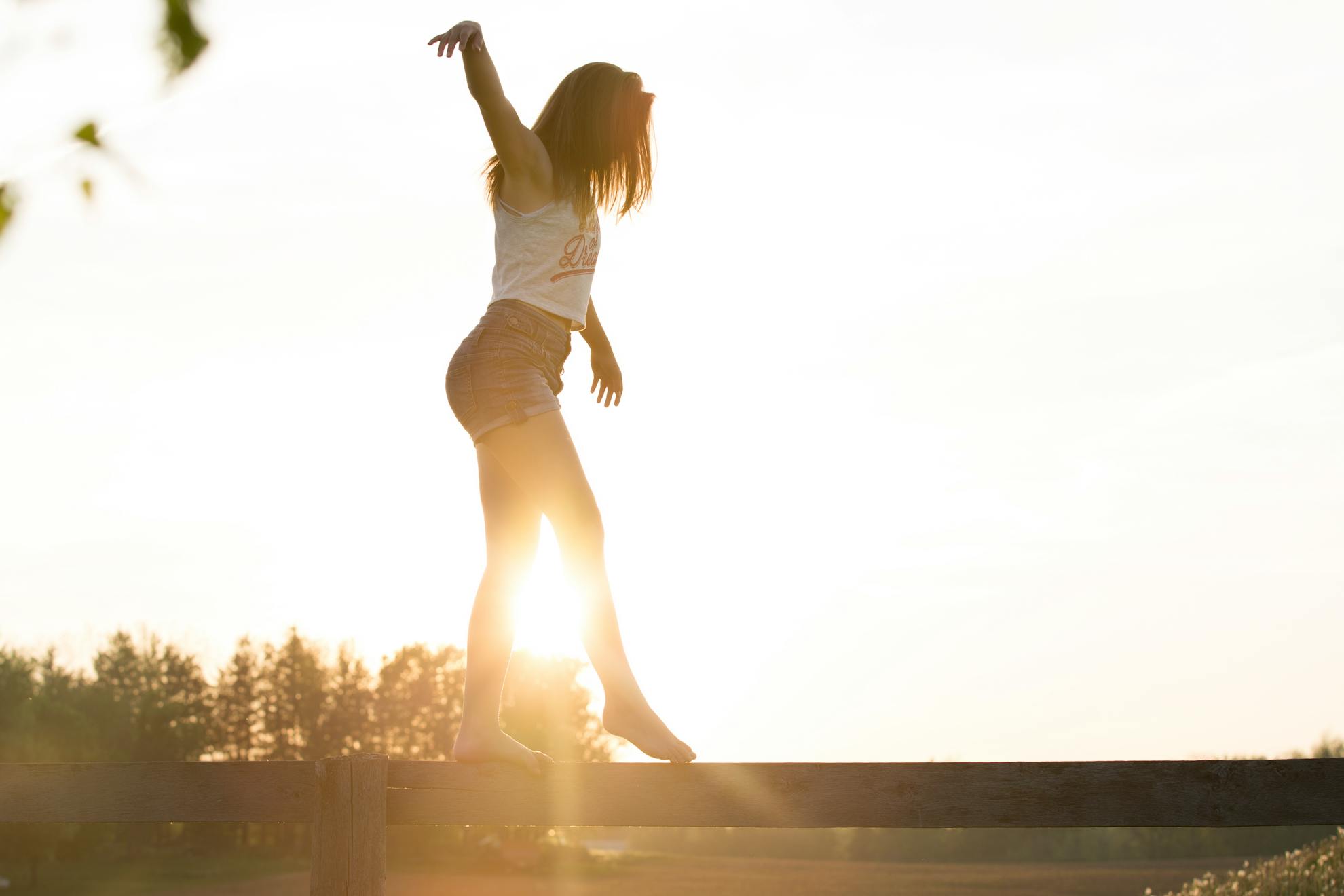
Exploring How Culture Shapes Your Experience: A Reflective Guide to Wellbeing and Place
There are places in the world that make you feel whole, grounded, and deeply nourished, and there are places that quietly take from you, chipping away at the equilibrium you’ve worked to cultivate. It can feel as though the culture of a place seeps through your skin, shaping your energy and attitude before you’ve even noticed.

When Your Environment Sets Your Limits: Rethinking Boundaries and Self-Worth
There’s something quietly profound, and often overlooked, about the boundaries and standards that shape our lives. Not always the ones we consciously set, but those gently handed down to us by the people and spaces we inhabit. Whether in work, friendships, family, or romantic relationships, these invisible lines quietly frame what feels possible, what we believe we deserve, and ultimately, how we see ourselves.
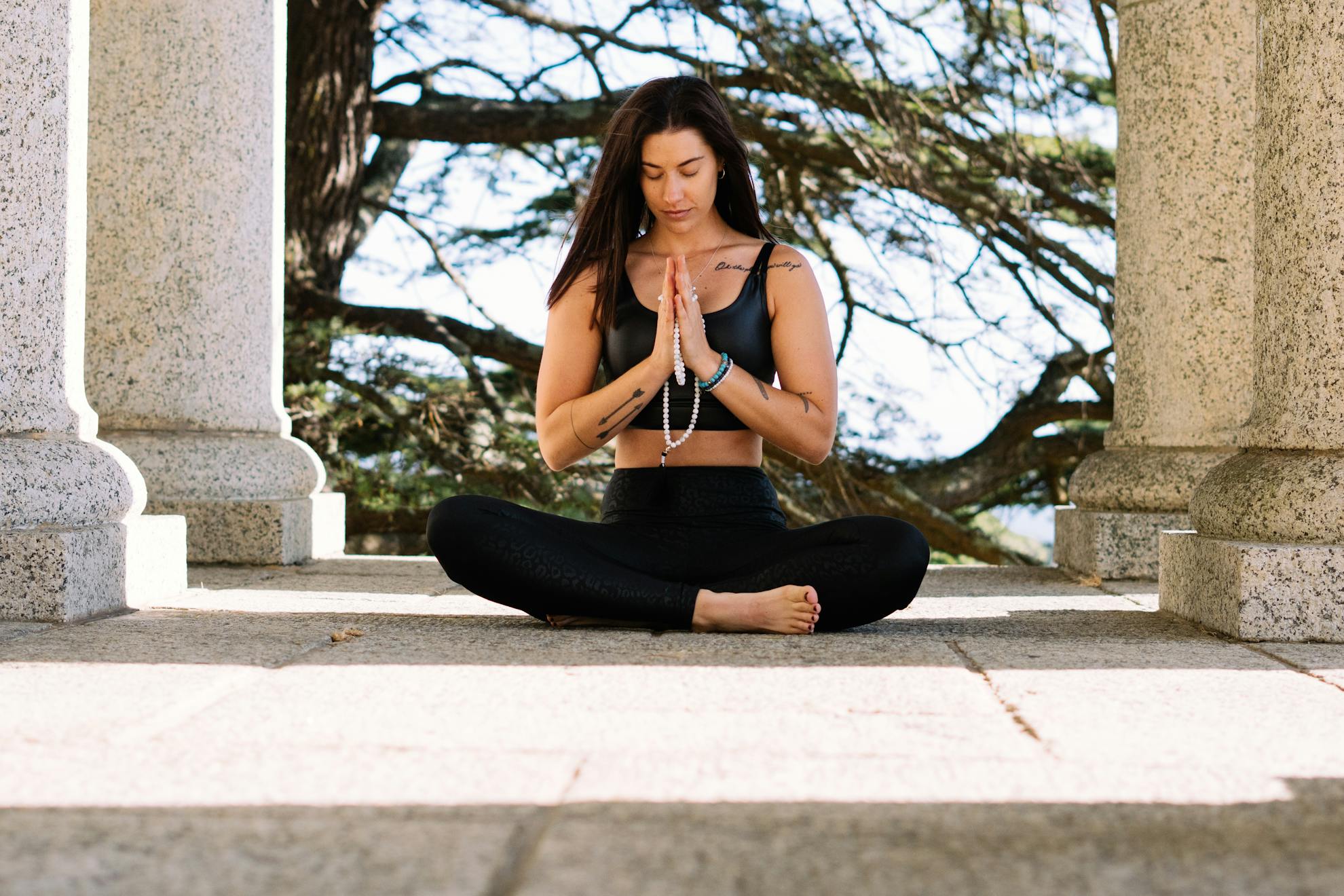
Yoga as Life’s Lens: Reflections on Autobiography of a Yogi
Paramahansa Yogananda’s Autobiography of a Yogi is more than a spiritual memoir; it’s an invitation to see life through the lens of the soul. In his telling, the extraordinary becomes accessible, not as far-off miracles but as a way of living rooted in self-awareness, discipline, and love.
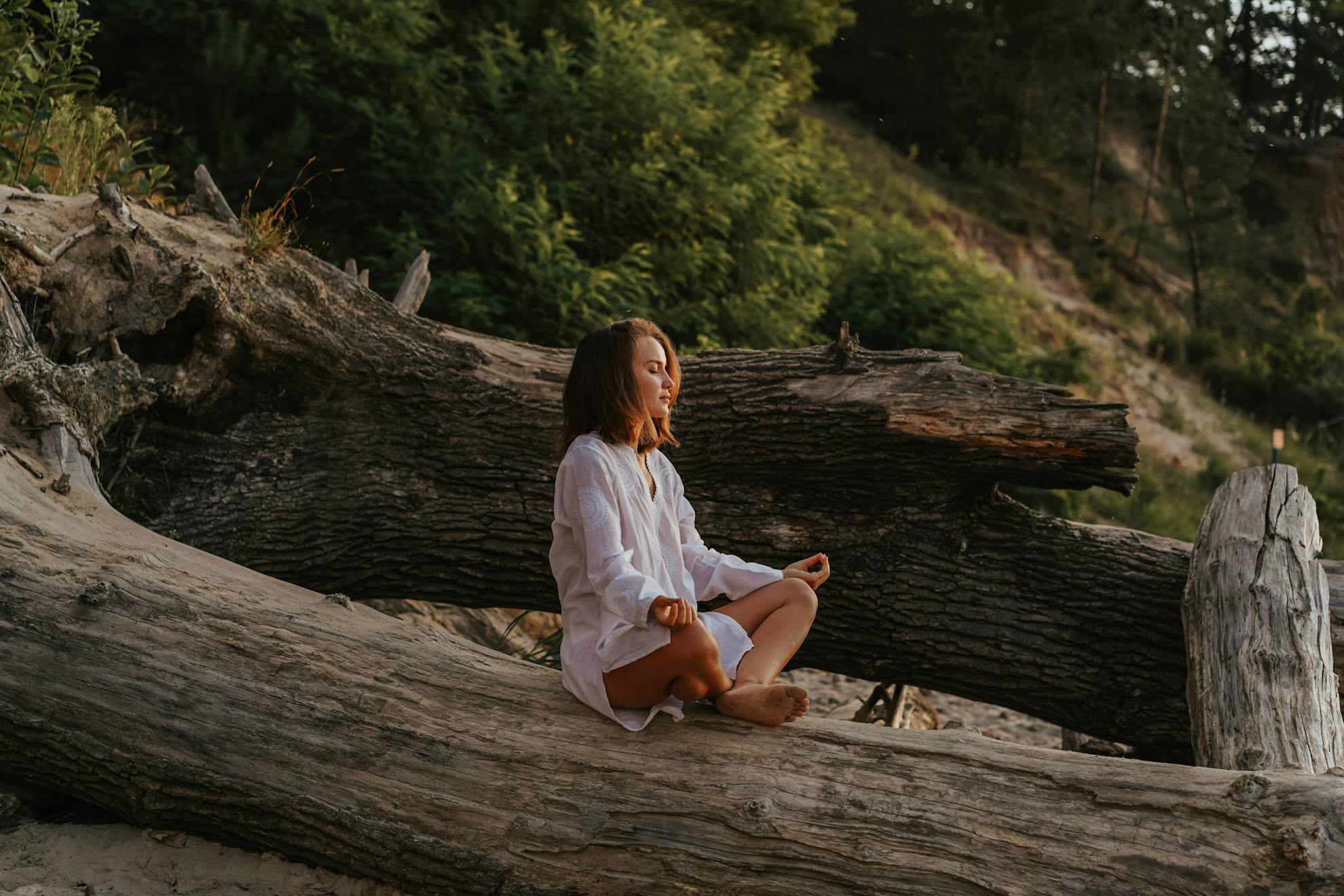
Wellness Beyond the Surface: Living the 8 Limbs of Yoga in Daily Life
In the modern wellness world, the surface often appears to be a glow: luminous skin, green smoothies, gym schedules, lymphatic drainage, and cold plunges. And while all of these can support well-being, they don’t touch the deeper layers of what it means to be well.

Cambodia: A Place That Stays With You
There are places in the world that don’t just ask you to visit—they invite you to feel. Cambodia is one of those places. Thick with memory, gilded with devotion, and humming with life, it offers a kind of travel that moves beneath the surface. This isn’t a country for rushing through. It’s a country for pausing, listening, and letting the stories rise from the land itself.
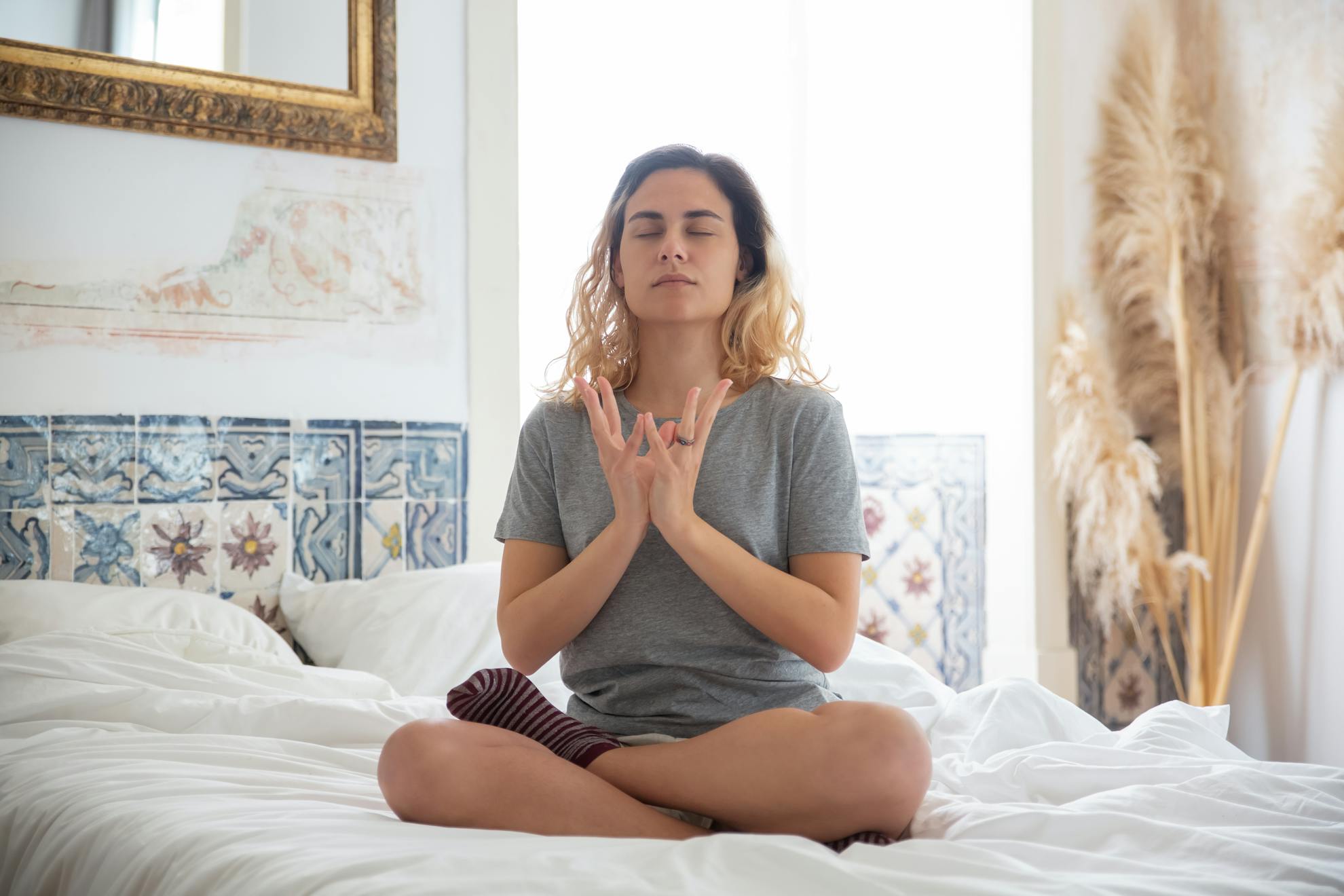
Returning to Ourselves: The Tiny Shifts That Make Us Human, The Unexpected Joy of a Stuck Song
Something remarkable happened to me the other day. It won’t sound impressive to you, but I found it profoundly telling about my current mental capacity compared to where I was a few months ago. I got a song stuck in my head. I know it sounds so basic, but I do not remember the last time something as pedestrian as this happened to me. My mind is used to running about 100 mph with so many pointless things: the self-narration, the criticisms, the to-do list, the judging, the what-ifs, the wondering what was meant by something someone said. It’s all just noise. None of it matters. Not really.

What Do You Truly Value?
This is a gentle invitation to explore worth beyond work and wealth, going deeper into what it means without the cultural lens that you sit behind, the one determined by your place in the world, physically, metaphorically, familiarity, etc.
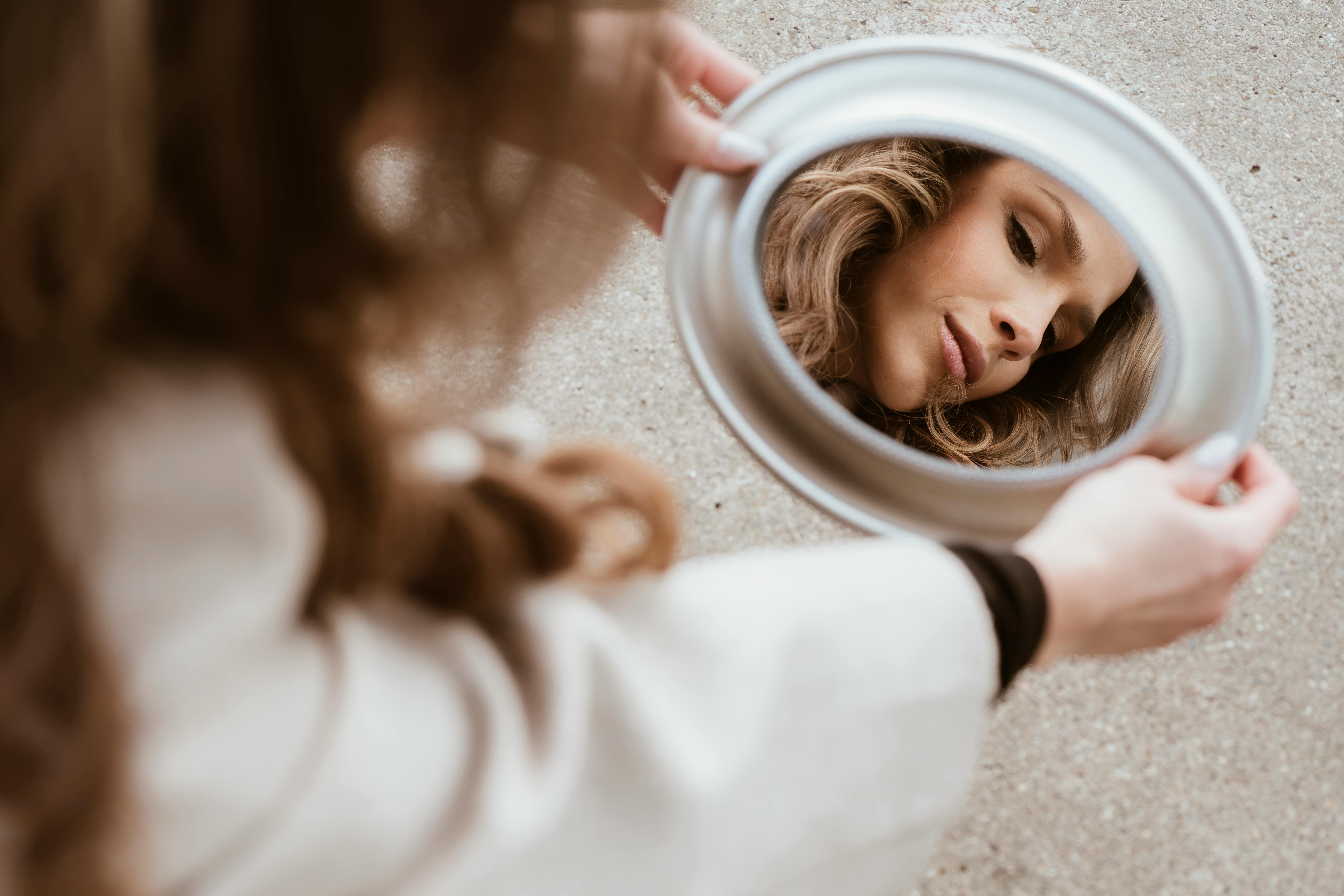
Learning to Sit With Yourself (and Everyone Else Too)
Regulating our emotions is a journey. You might be someone who feels deeply. Who notices the shift in the room when someone else enters. Who picks up on unspoken tensions, unmet needs, and unsaid apologies. You might be empathetic, curious, creative—and sometimes, exhausted. You may have learned to manage your emotions with a certain grace, yet still find yourself undone by the sudden sharpness of disappointment or frustration.
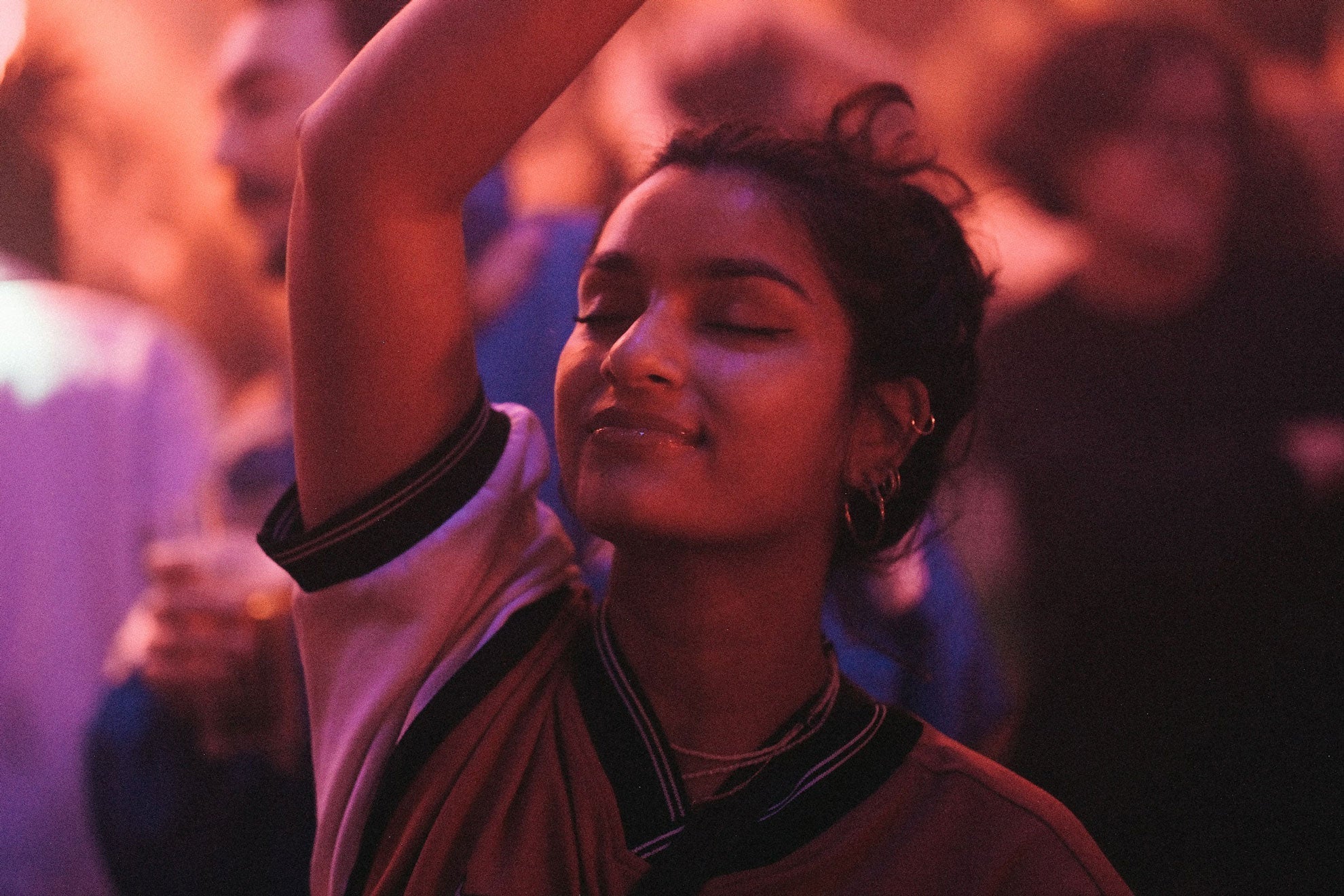
Ecstatic Dance: A Homecoming to the Body
While in Ubud, I’ve been trying to open myself to everything this place offers. There’s a current of possibility here, pulsing quietly beneath the surface. After experiencing the depths of sound healing—something I’ve done before and always found moving—I felt curious to take it one step further.
19 Free Ways to Feel More Connected to Yourself
In a world that constantly demands our attention—from deadlines and devices to the never-ending to-do lists—it’s easy to drift away from ourselves. But coming home to yourself doesn’t require a retreat or a spa day. (Although you should do these things too.) Sometimes, it doesn’t need to cost anything. Sometimes, it’s about the smallest gestures—things we can do right now, wherever we are, to re-centre, ground, and feel more us again.
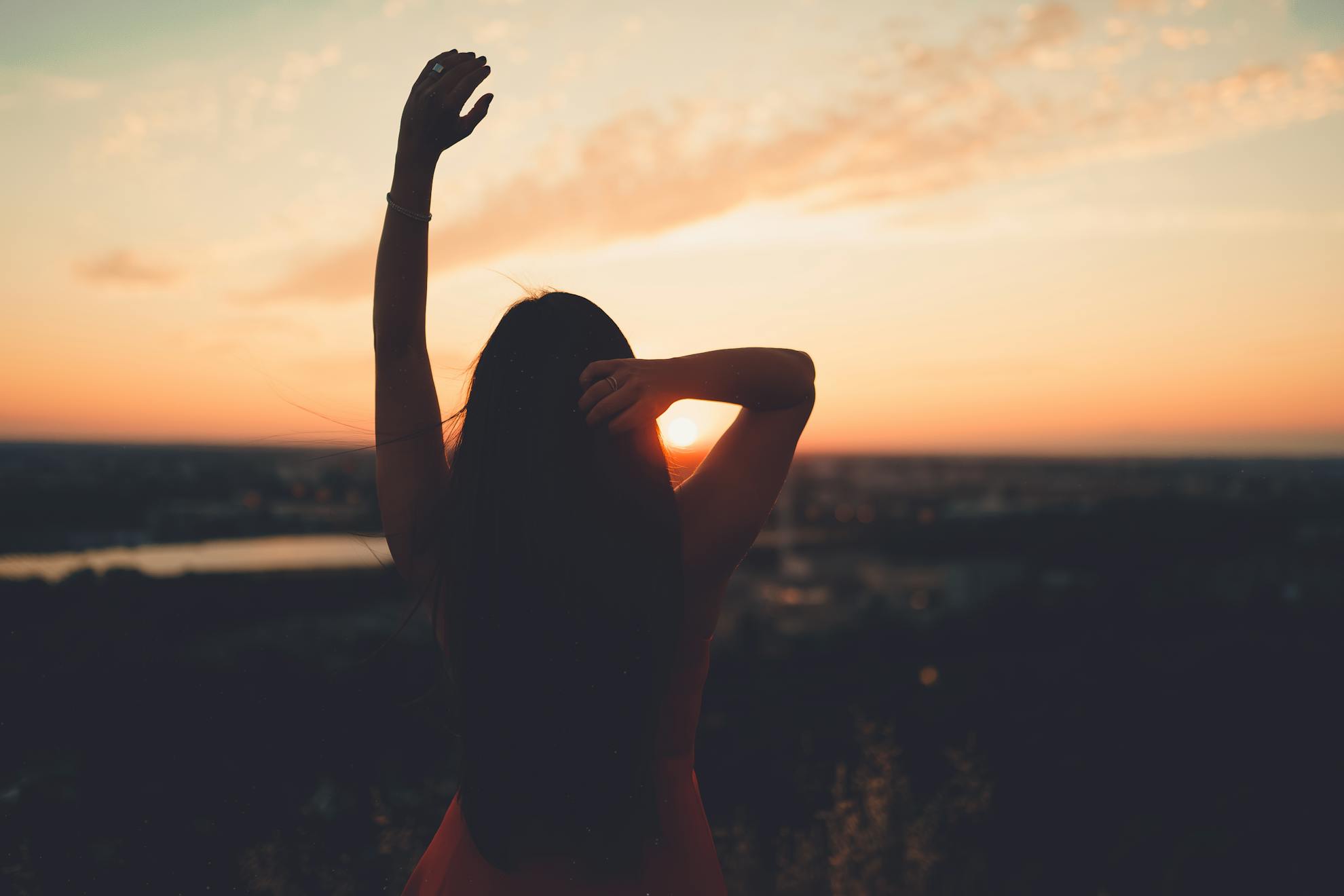
Outgrowing the Hands That Once Held Us: Letting Go, Growing Stronger, and Knowing Your Worth
Friendships are supposed to uplift, support, and encourage us to grow. But sometimes, what we believe to be friendship is something else entirely—manipulation disguised as loyalty, control masked as care. True friends want to see you thrive, even if that means watching you walk away into something better. But not everyone in our lives fits that definition.
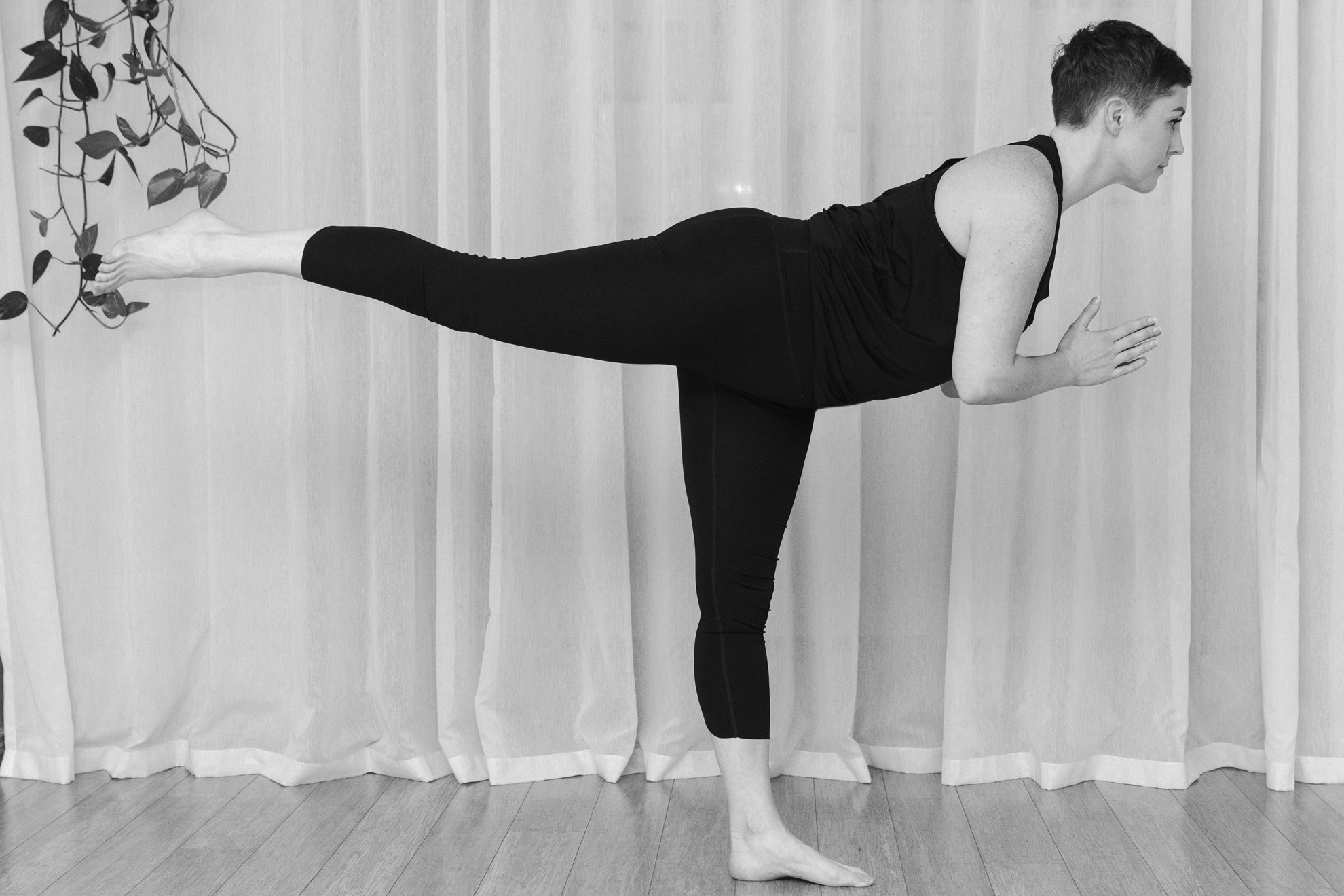
From Burnout to Balance: How Yoga and Meditation Help You Reconnect with Yourself
I’m sitting in a café in Ubud, Bali, thinking about where we’ll go next. But then it hits me—we’re not traveling in the conventional sense. My husband, my partner in adventure, is working much like before, just with a changing backdrop and longer breaks. And me? I’m building something of my own that weaves all my passions: writing, photography, yoga, and meditation.
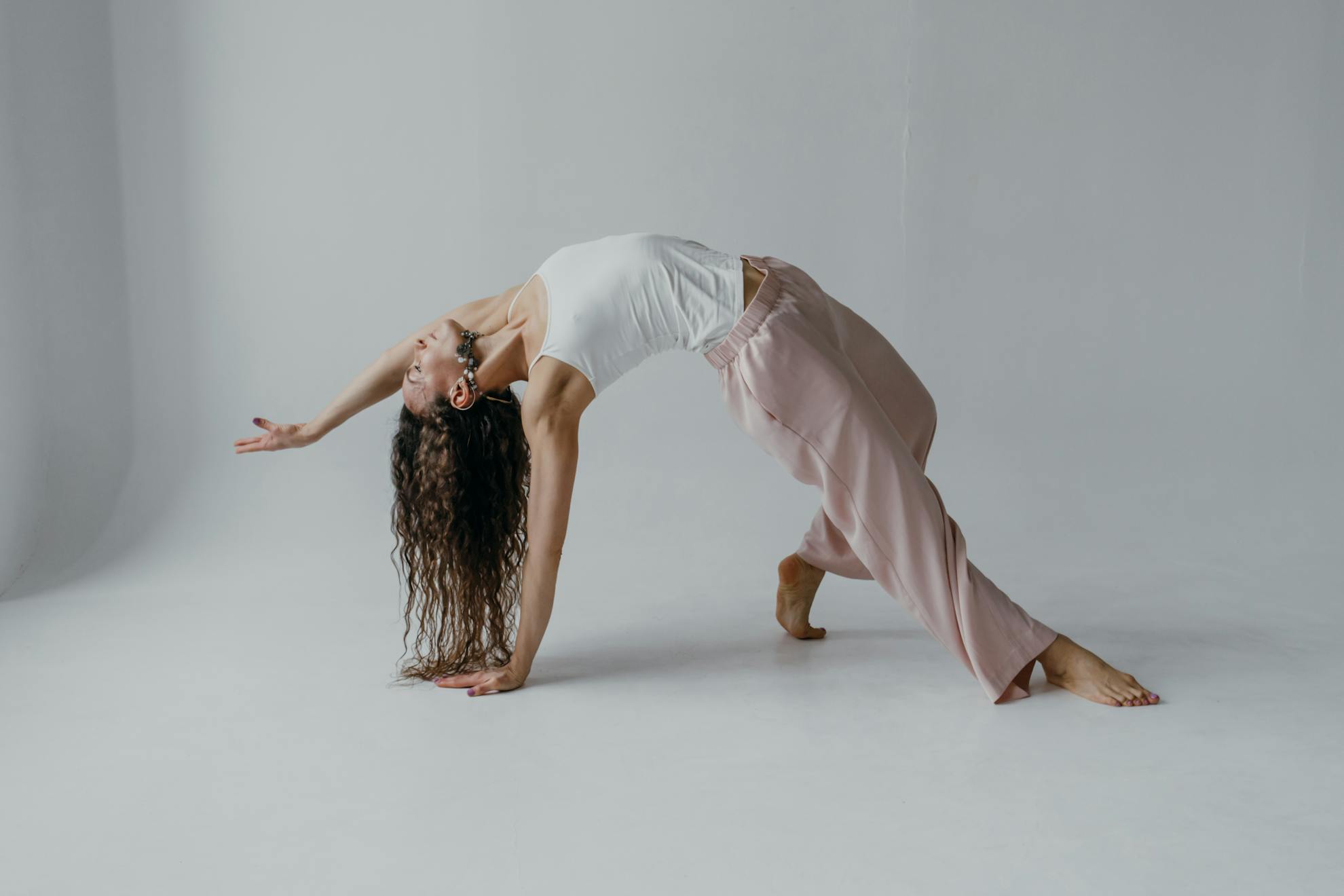
Yoga Transformation: The Student, The Teacher And The Integration Of The Teachings
The road to transformation is rarely linear. It twists and turns, revealing lessons we didn’t anticipate and demanding patience we didn’t know we needed. For those of you who have followed my journey, you know that my world shifted dramatically in 2022. That year cracked me open, forcing me to look at life from a new perspective—one that led me deeper into the practice of yoga.
Letting Go Lightly, With A Balinese Purification Ceremony
Yesterday, I attended a Balinese purification and blessing ceremony with Tri Desna in Ubud. While the full impact of letting go may take days, even weeks, today, I feel lighter. Rested. Unburdened. Even in the midst of a gap year—a time meant for freedom and exploration—I had unknowingly packed emotional baggage alongside my travel essentials. We all do.

New Years Resolutions Or Renewed Ways Of Thinking About Things
Three years ago, when our blogs were hosted someplace else, I wrote: Finding The Right Vocabulary To Make Your New Years Resolutions Attainable. It was a time when we were all in different places; many of us had no freedom, very little in the world of choices, and we were all a little gloomy. This year, ending 2024, feels hopeful, empowered and freer.
How To Use Challenges To Welcome Change
As I move through what seemed in the moment to be one of the most challenging yet eye-opening experiences of myself to date, I realise that it is not that this challenge is any better or worse than any that preceded it; it is me who has altered the way that I feel it, witness it and let it control me. I feel awake, even brought alive by this challenge, more so than ever before. I realise that the challenge will soon be irrelevant and that all that has happened was always going to. All that was in my control was my choice of how to let it affect me, how I chose to respond, and how I wanted to be perceived, remembered and heard. There is true power in choice, awareness and understanding.

The Stories We Tell Ourselves
One day you will look back upon the things you believed and it will seem as if someone else’s voice was directing you. The voice inside will evolve if you let it, allow it the space to learn from your mistakes, and test the theories that the child version of you learned to believe. Trust, be brave and create new beliefs for yourself to live by. Once you start to listen, you’ll embark on a deeper understanding of yourself and the world around you.
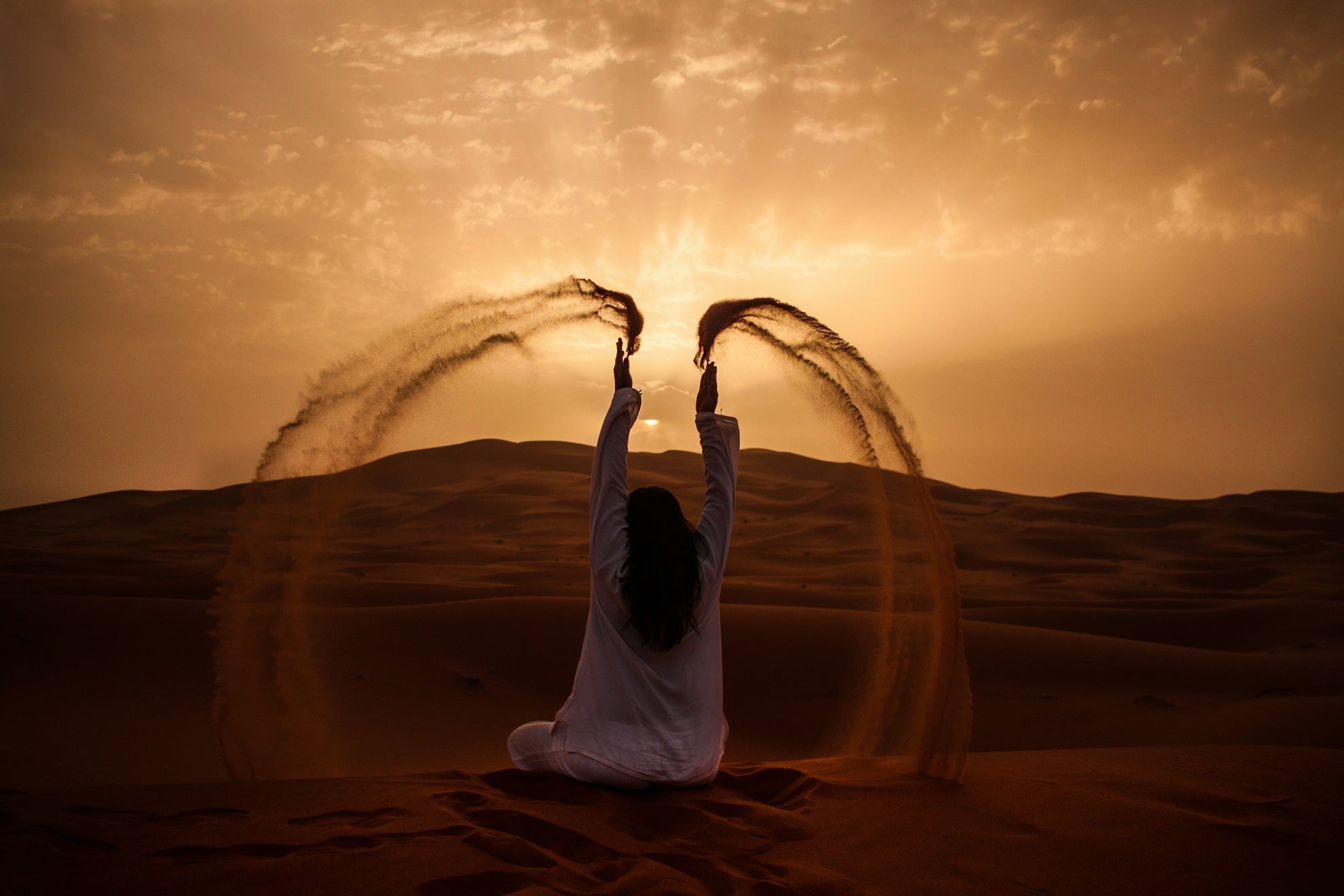
20 Small Shifts for a Wholehearted Life
Simple, soulful ways to feel more grounded — right where you are. Living well doesn’t have to be expensive. In fact, some of the most powerful lifestyle changes cost nothing at all — just attention, intention, and a willingness to show up for yourself.
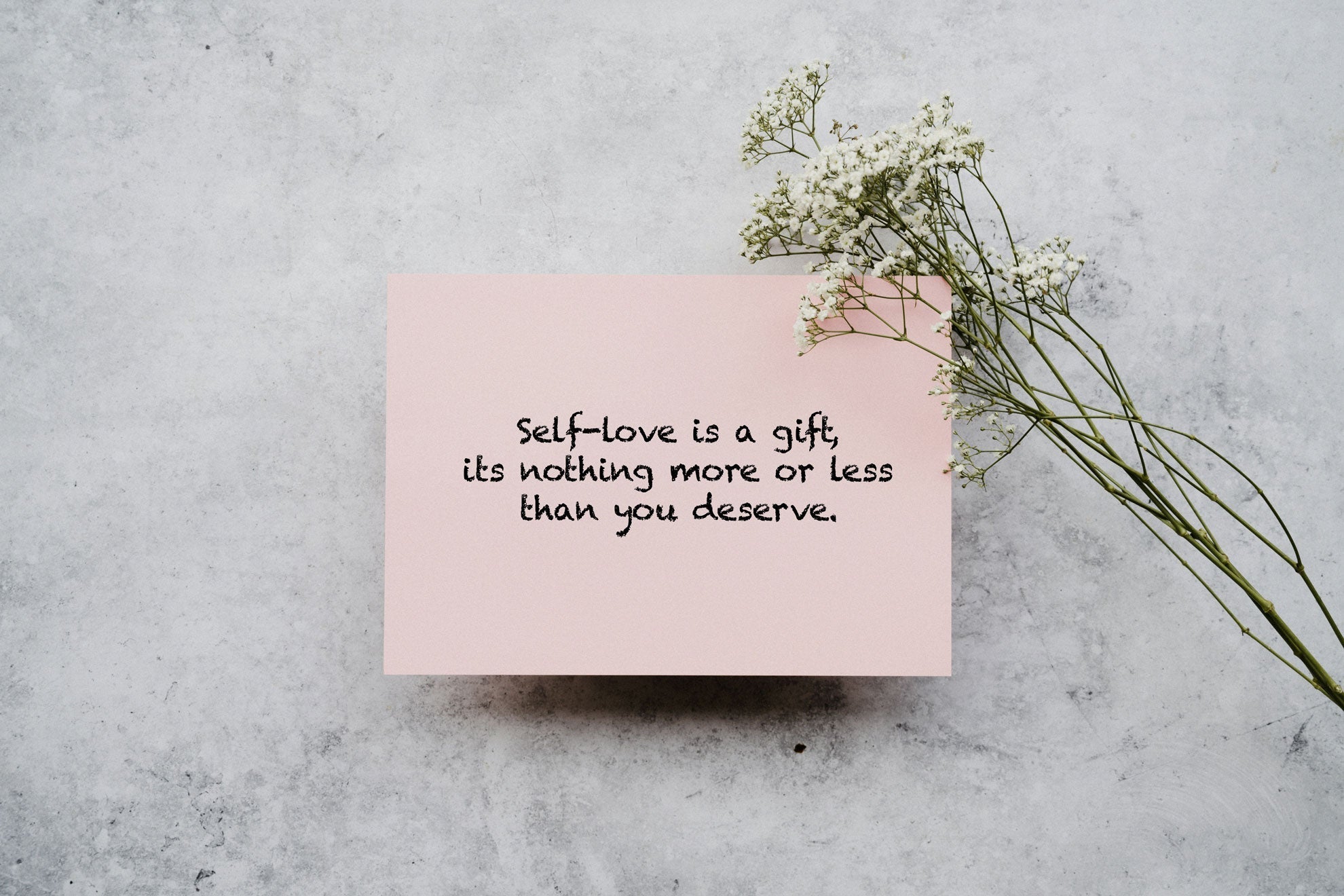
What is self-love? Why is it so important and what benefits will it offer?
Self-love is when you put yourself first, it might be for a moment or once a week or maybe it's whenever you need to self-soothe. It’s finding things that are just for you. Moments that make you happy that you can pull on and continue to cultivate over and over again.
The Power of Journaling
Writing regularly is something that is said to free the mind, to process one's thoughts, to download the noise. For some, it is a collection of thoughts that were, in the moment of writing important. For others, it's a way of making sense of the hundreds of thoughts we carry every day.
Your Desired Change, Your Responsibility
It was Einstein that said, “The definition of insanity is doing the same thing over and over again, but expecting different results.” I think we all tend to do this in some capacity. We wait for a change to happen, hoping someone or something will rescue us. We can seem powerless to take responsibility.
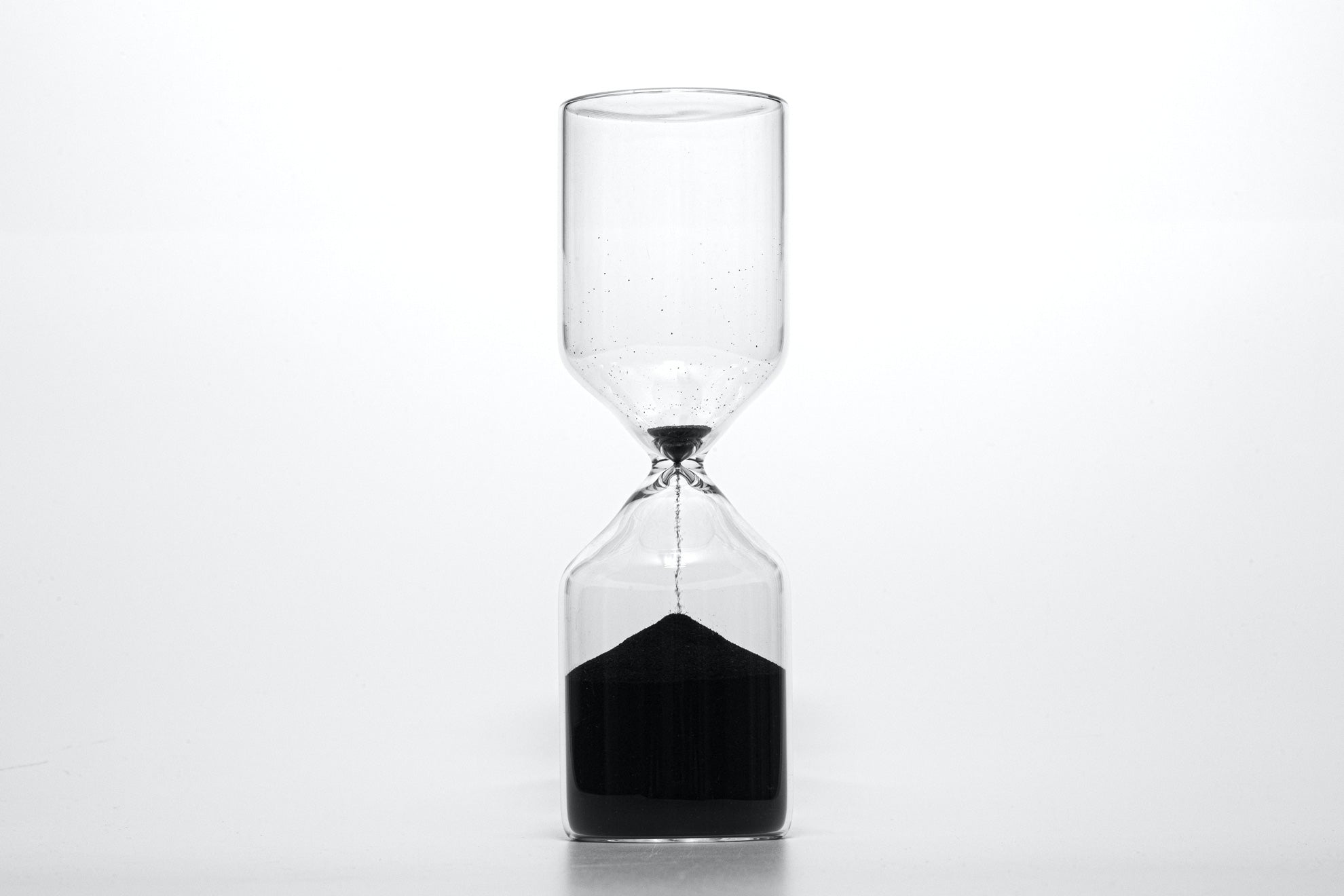
Melbourne Lockdown 5.0, It's Time
As Melbourne - the city in which I live goes into its fifth lockdown it forces us to once again take stock of our surroundings. If time is the only positive side effect of these lockdowns. What do you want to do with yours? Could time be a gift, an opportunity or is it simply a waste?