South East Asia
19 articles
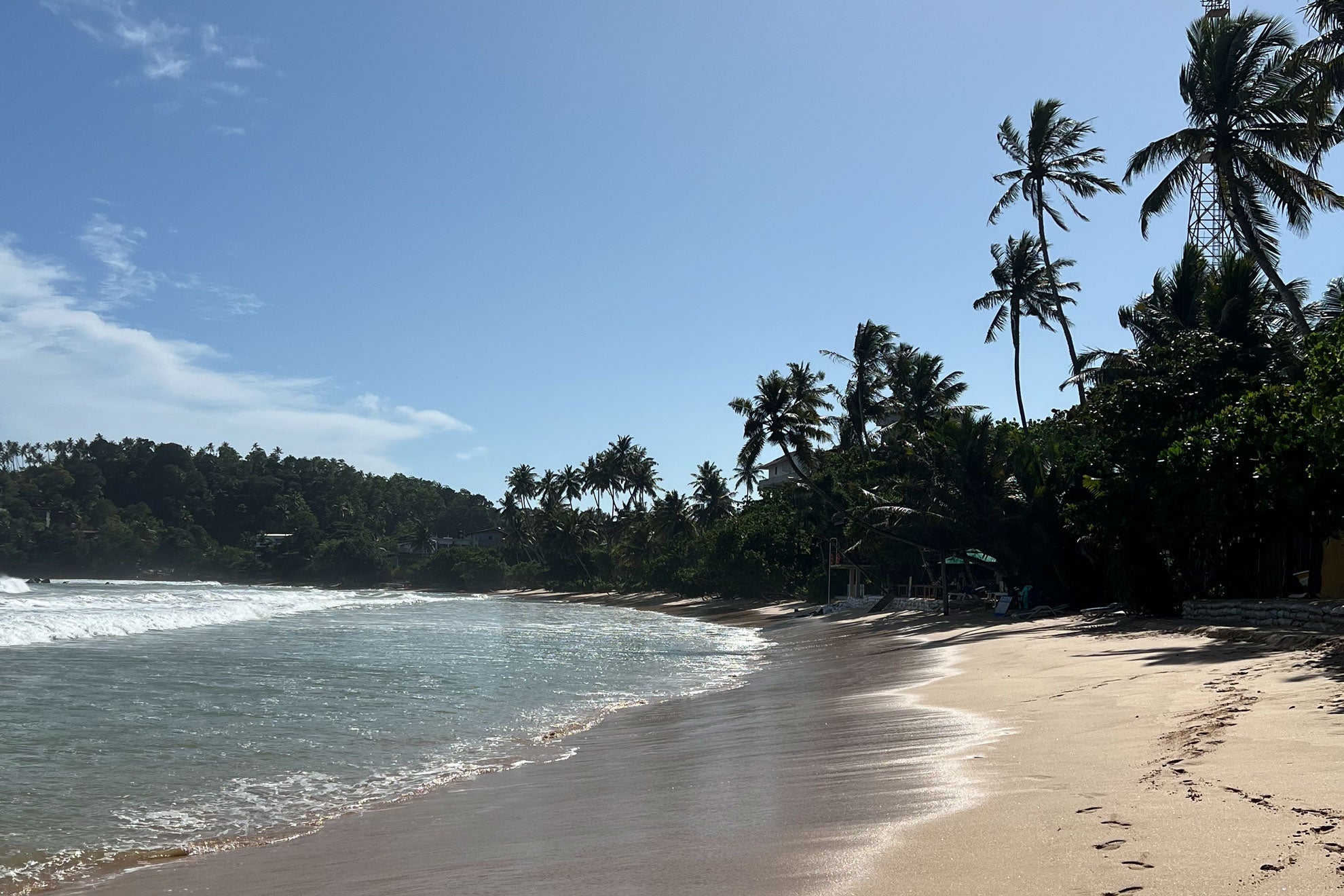
What I Wish I Knew Before Visiting Sri Lanka
Sri Lanka is often painted as a tropical dream, with endless beaches, warm smiles, and jungle adventures. But beyond the postcard moments lies a raw and untamed beauty that asks you to slow down, adapt, and embrace its imperfections. This isn’t a trip that always runs to plan, and that’s where the magic begins.
More tagged “South East Asia”
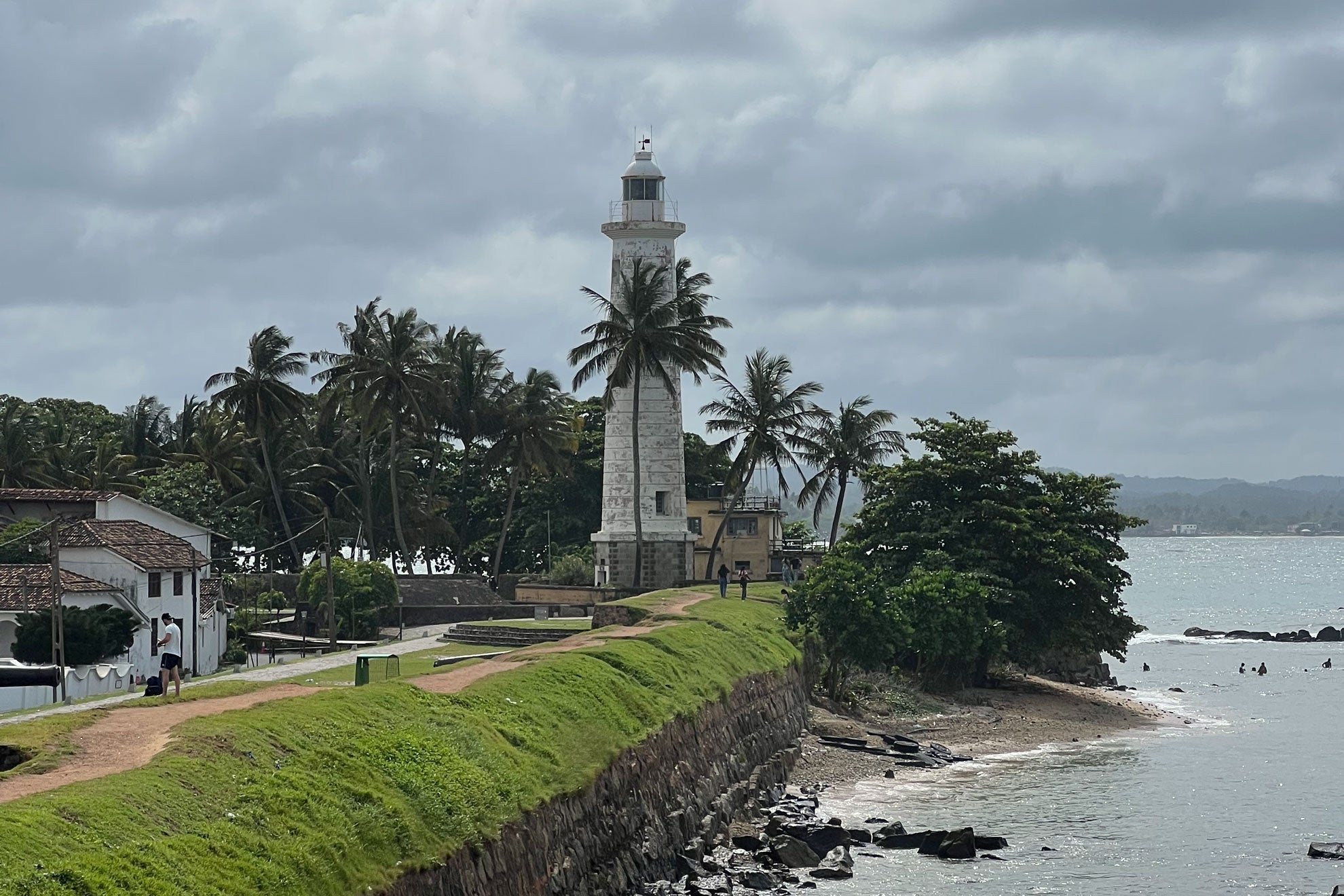
A Route Around Sri Lanka’s Best Bits
Sri Lanka’s magic isn’t found in a rush. It reveals itself slowly — in the curve of a coastal bay, the shadow of an elephant at dawn, and the mist that clings to tea hills. This route takes you from the island’s sunlit shores through its wild heartlands and into the green embrace of the hill country.
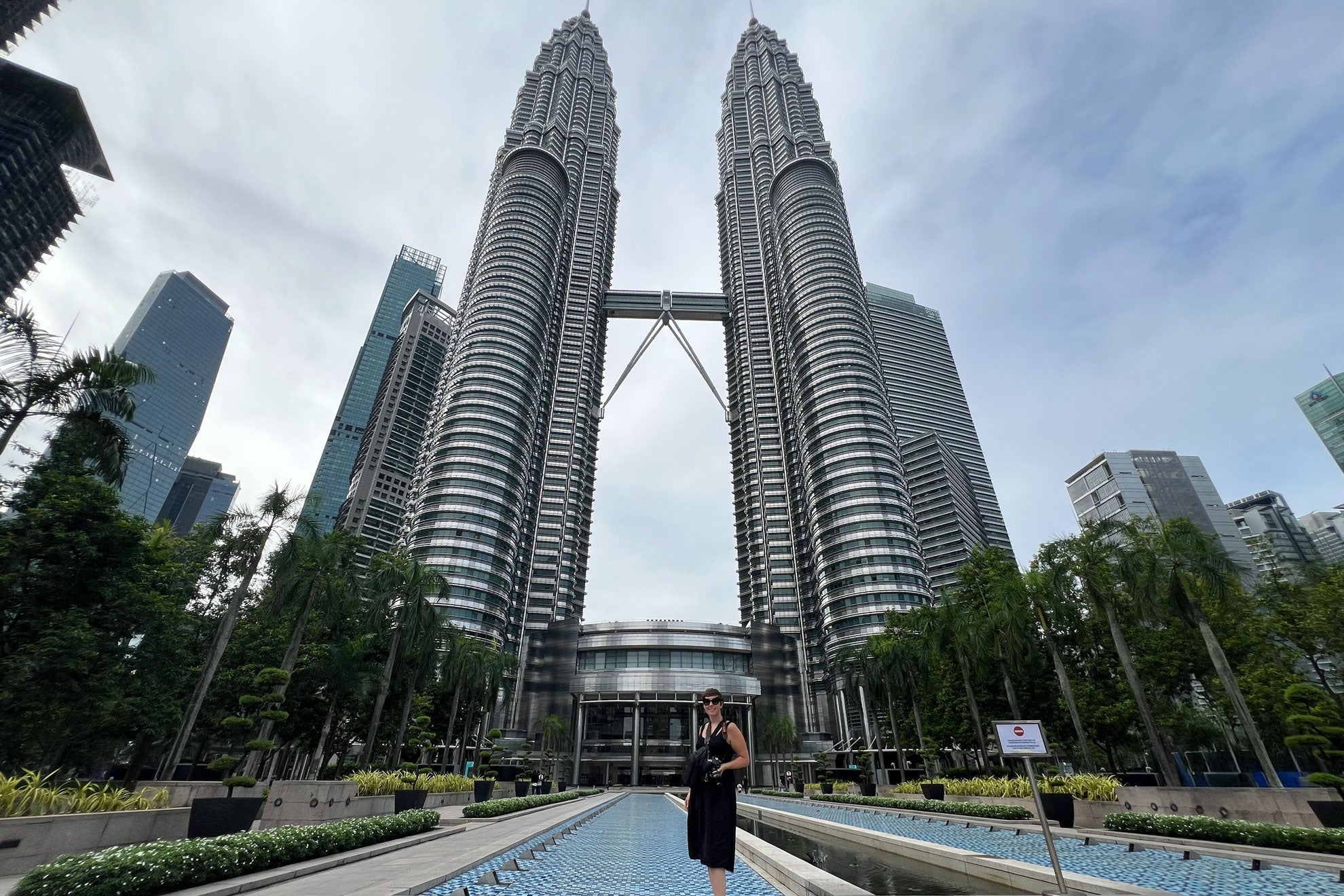
Kuala Lumpur Itinerary: Five Days of Culture, Contrast & Contemplation in Malaysia’s Capital
Kuala Lumpur, a city that served as a stopover en route to Sri Lanka, could be the gateway to something extraordinary. A city where colonial architecture meets sleek skyscrapers, where incense drifts through ancient temples just blocks away from air-conditioned malls, and where the rhythm of a Southeast Asian metropolis pulses beneath every step.
The Honest Truth About Travel
Yes, I’ve been to some incredible places over the last few months. But what I’ve realised is that when you don’t have a “home” to go back to, or more importantly, no clear end date, even the most remarkable experiences begin to feel… normal. And normal, when stretched too long, loses its magic.
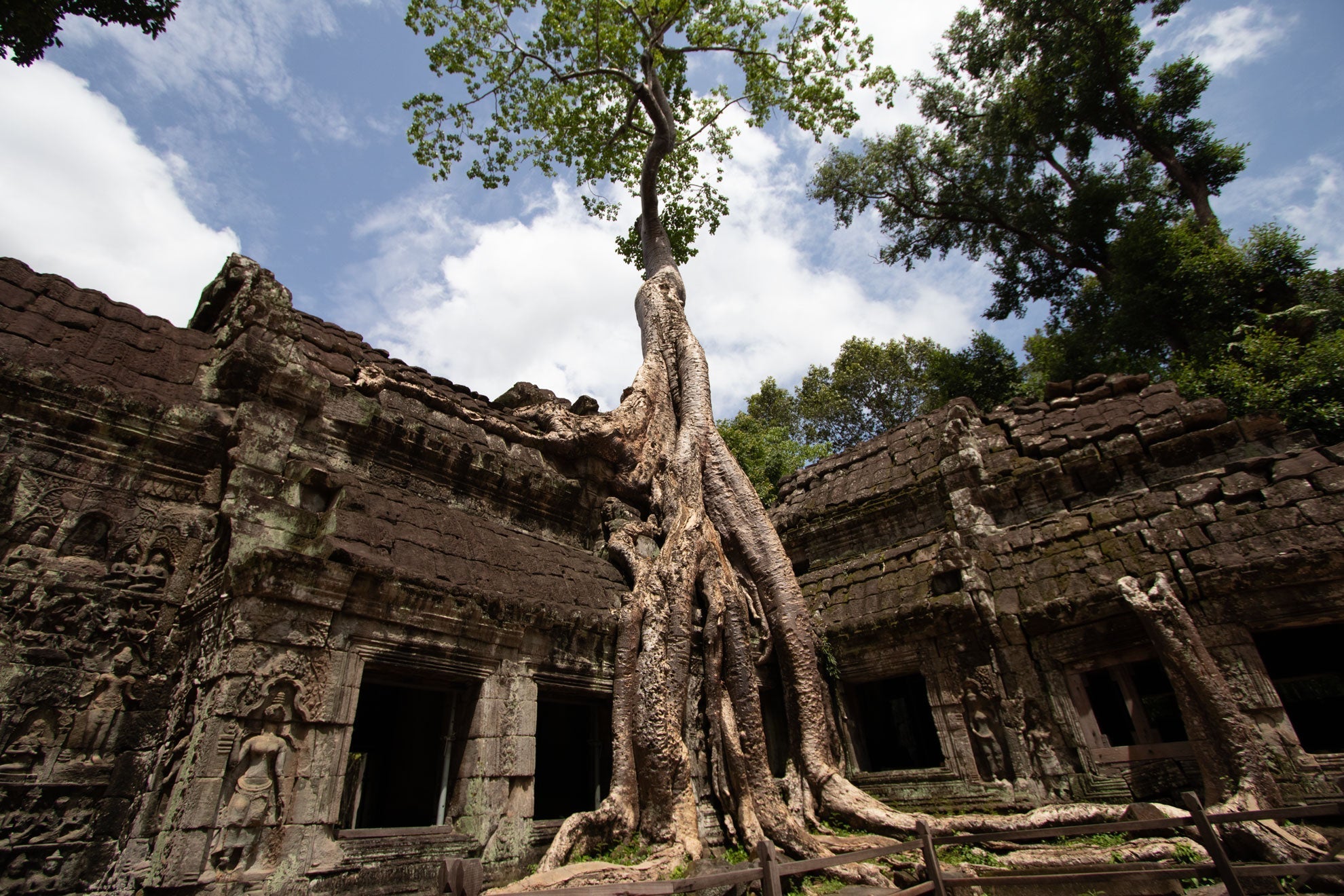
Cambodia: A Place That Stays With You
There are places in the world that don’t just ask you to visit—they invite you to feel. Cambodia is one of those places. Thick with memory, gilded with devotion, and humming with life, it offers a kind of travel that moves beneath the surface. This isn’t a country for rushing through. It’s a country for pausing, listening, and letting the stories rise from the land itself.
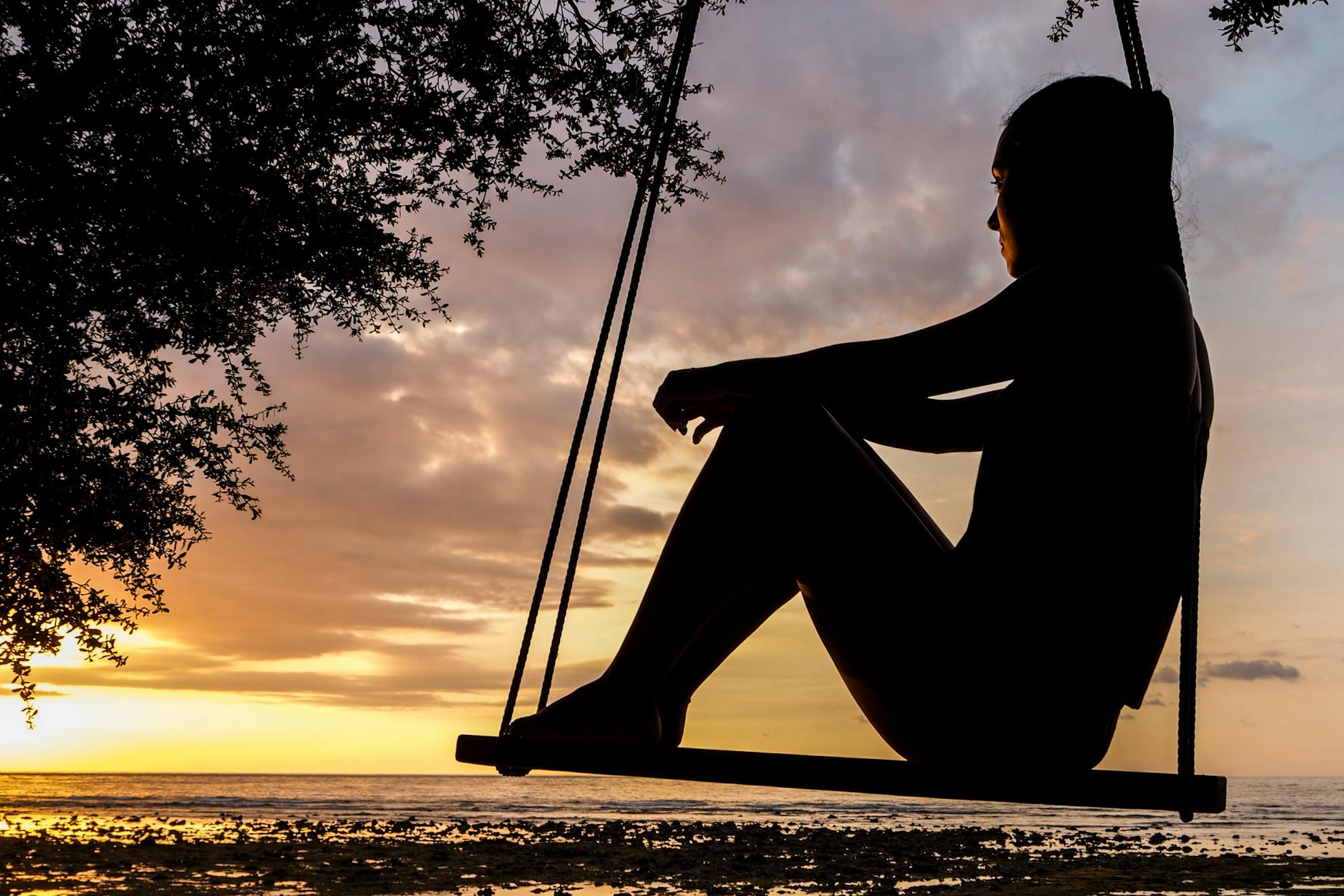
Making Peace with Travel Privilege
I used to believe I was a good traveller. Curious. Kind. Conscious. But as I moved through the villages of Vietnam, past rice paddies, crumbling temples, food stalls, and families, I was forced to reckon with a quieter truth. I have always been a privileged traveller. And with that privilege comes a responsibility.
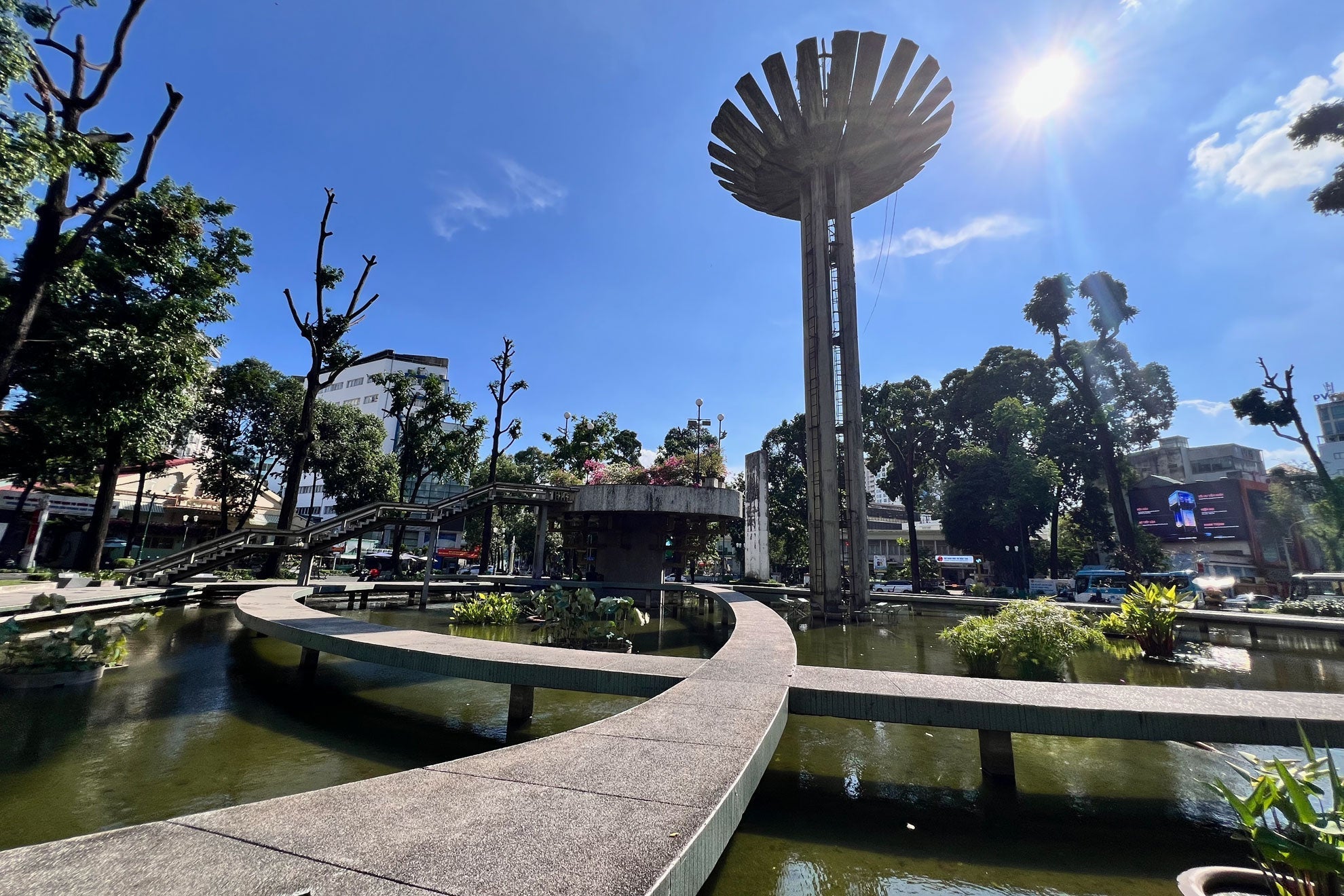
Ho Chi Minh City (Saigon)The Pulse of Vietnam
Once known as Saigon, this city doesn’t sleep. It pulses with ambition and creativity. Motorbikes swarm like schools of fish, cafés buzz with conversation, and remnants of French colonialism linger between steel skyscrapers.
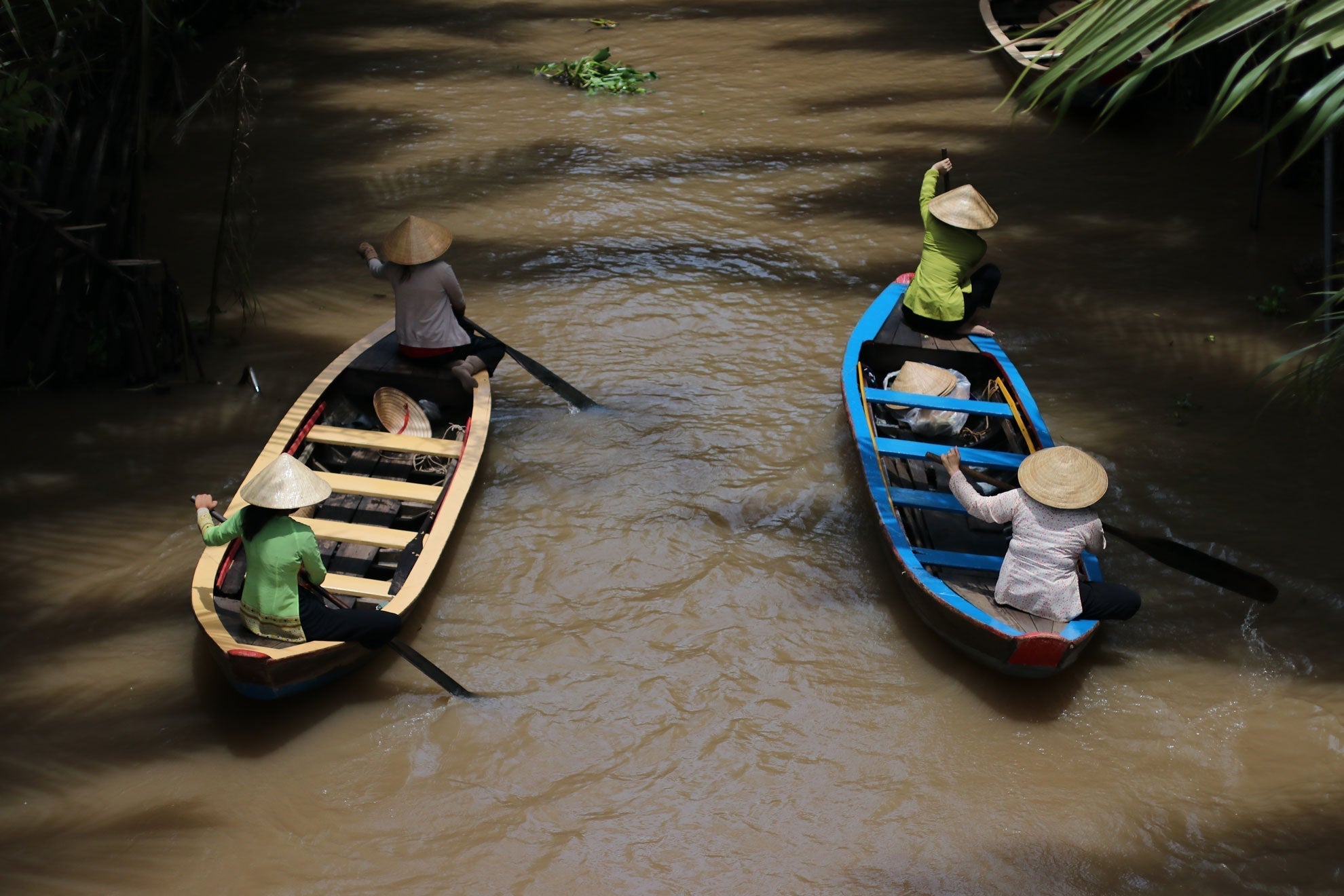
Mekong Delta Vietnam, Where the River Wakes the World
The Mekong Delta is a tapestry of rivers, rice fields, and resilience. Life here moves to the rhythm of the water, and travellers who venture south are rewarded with a glimpse into a Vietnam both ancient and alive.
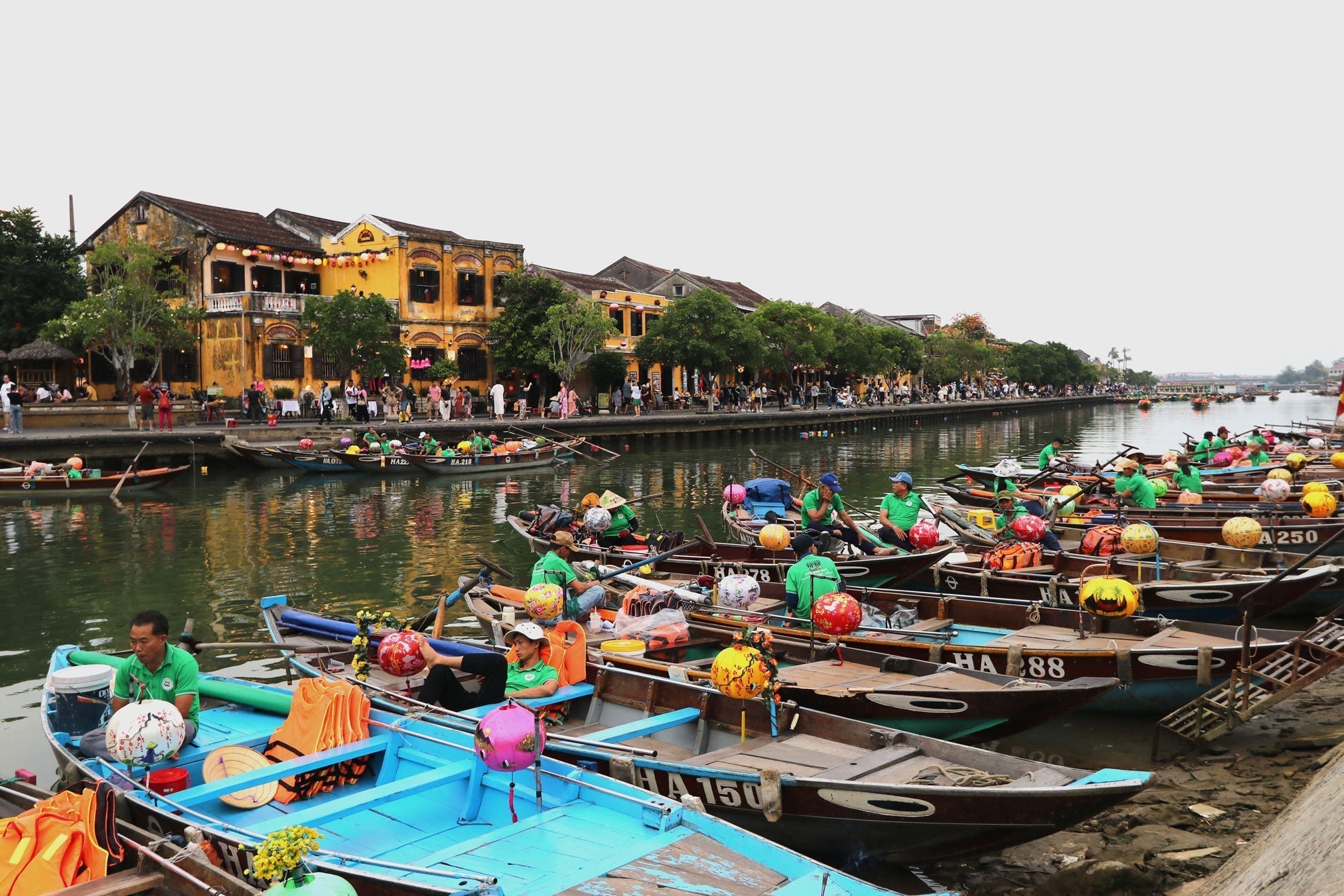
Hoi An Vietnam, Lanterns, Silk, and Stillness
Hoi An is a soft dream. The Old Town is a perfectly preserved trading port that once connected East and West. Japanese, Chinese, French, and Vietnamese influences converge in the yellow-walled buildings and winding alleyways that glow with lantern light at dusk.
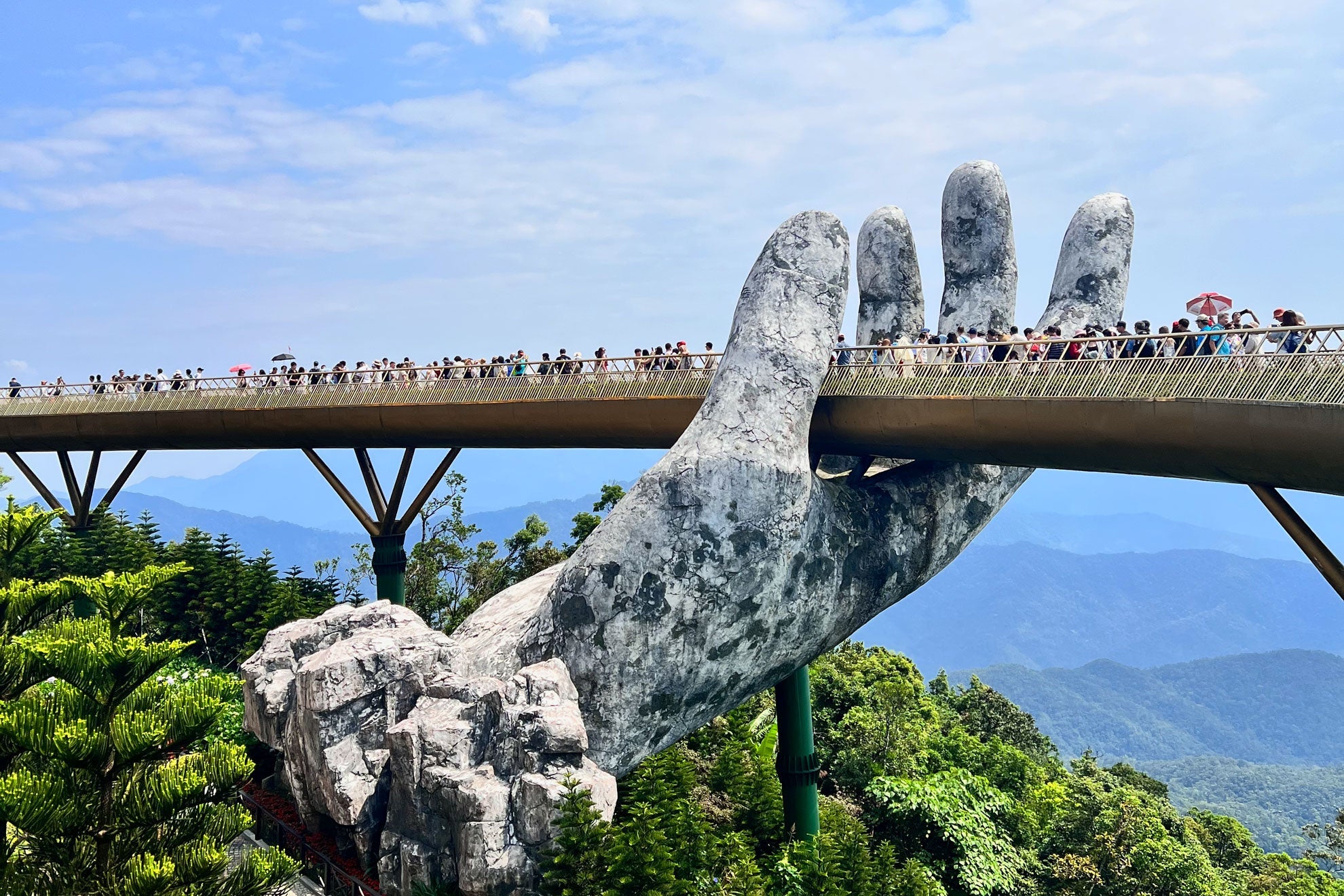
Ba Na Hills Vietnam, The Clouds Above the World
Perched high in the Truong Son Mountains, Ba Na Hills feels like a page from a storybook. First developed by the French in the early 1900s as a hill station, today it’s home to an eclectic mix of European-inspired architecture, gardens, and one of the world’s longest cable car rides.
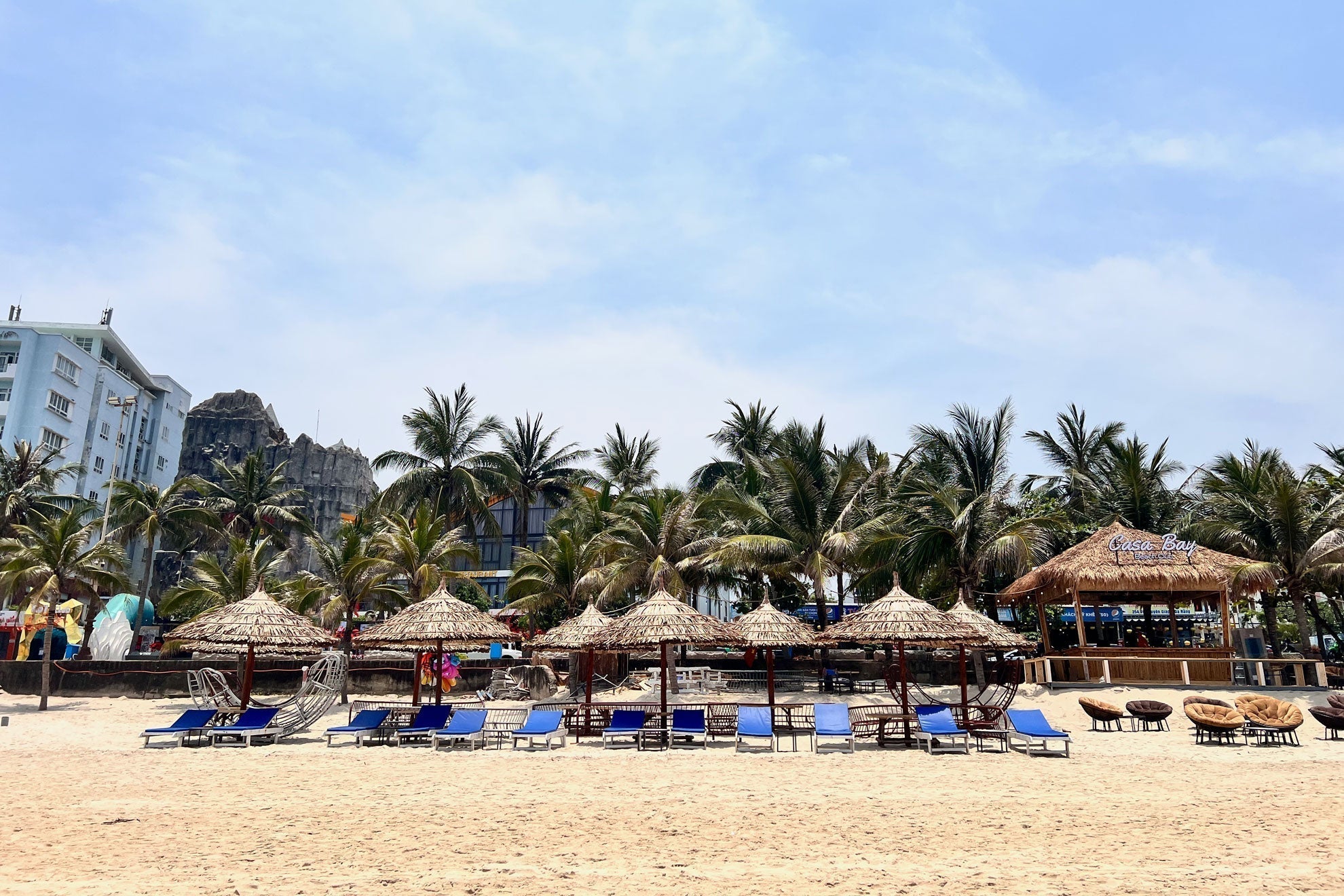
Da Nang Vietnam, Where Modernity Meets Myth
Da Nang is a city of contrasts, a place where modern bridges arc over dragon-shaped rivers, and sleek cafés sit beside ancient temples. Once a French colonial port, now a booming coastal hub, Da Nang offers both energy and ease for the slow traveler.
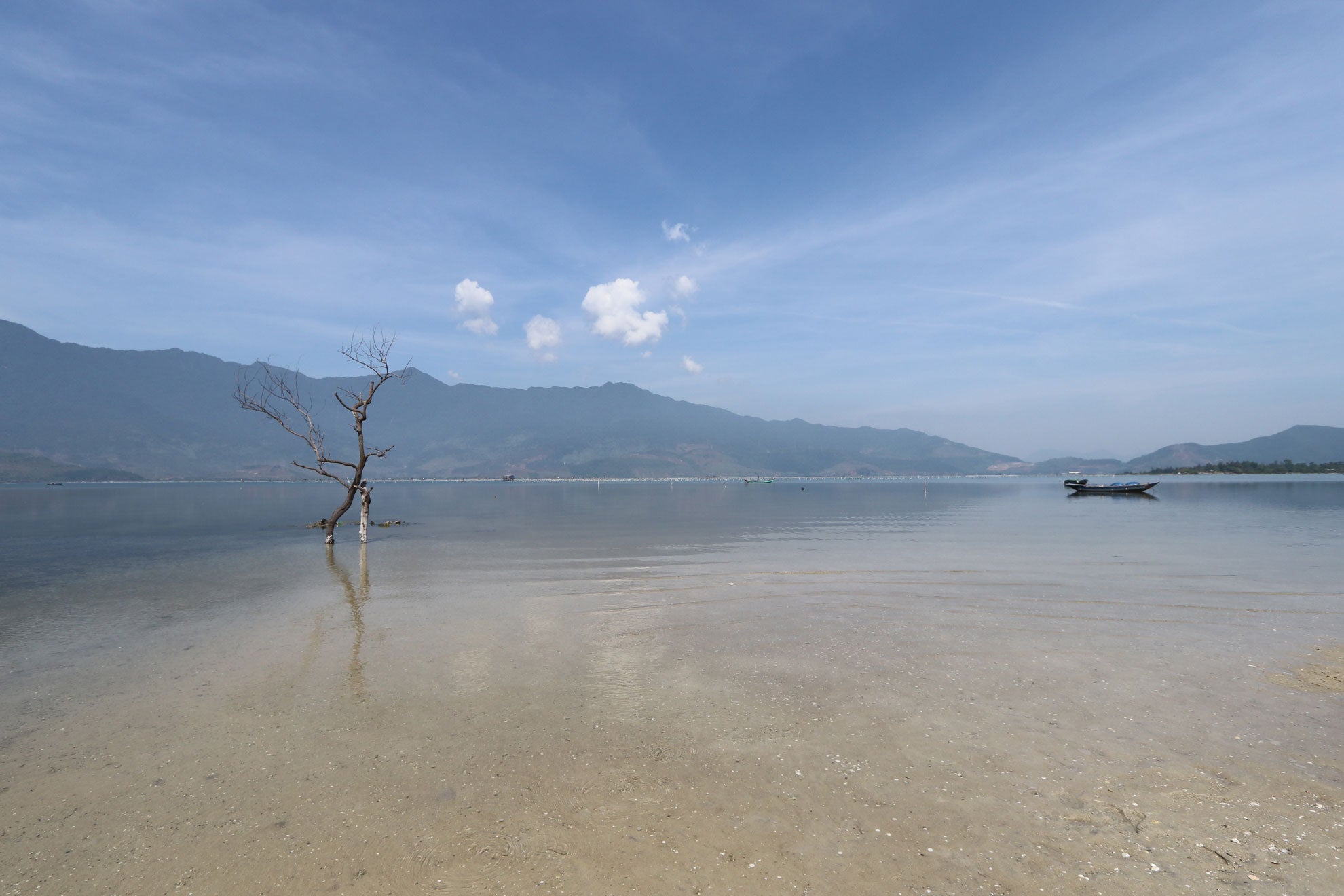
Lap An Lagoon Vietnam, The Mirror Between Mountain and Sea
Tucked between the Bach Ma mountains and Lang Co Bay, Lap An Lagoon is a lesser-known marvel of central Vietnam. The brackish water reflects the sky like a mirror, especially at low tide when a narrow sand path emerges across the lagoon.
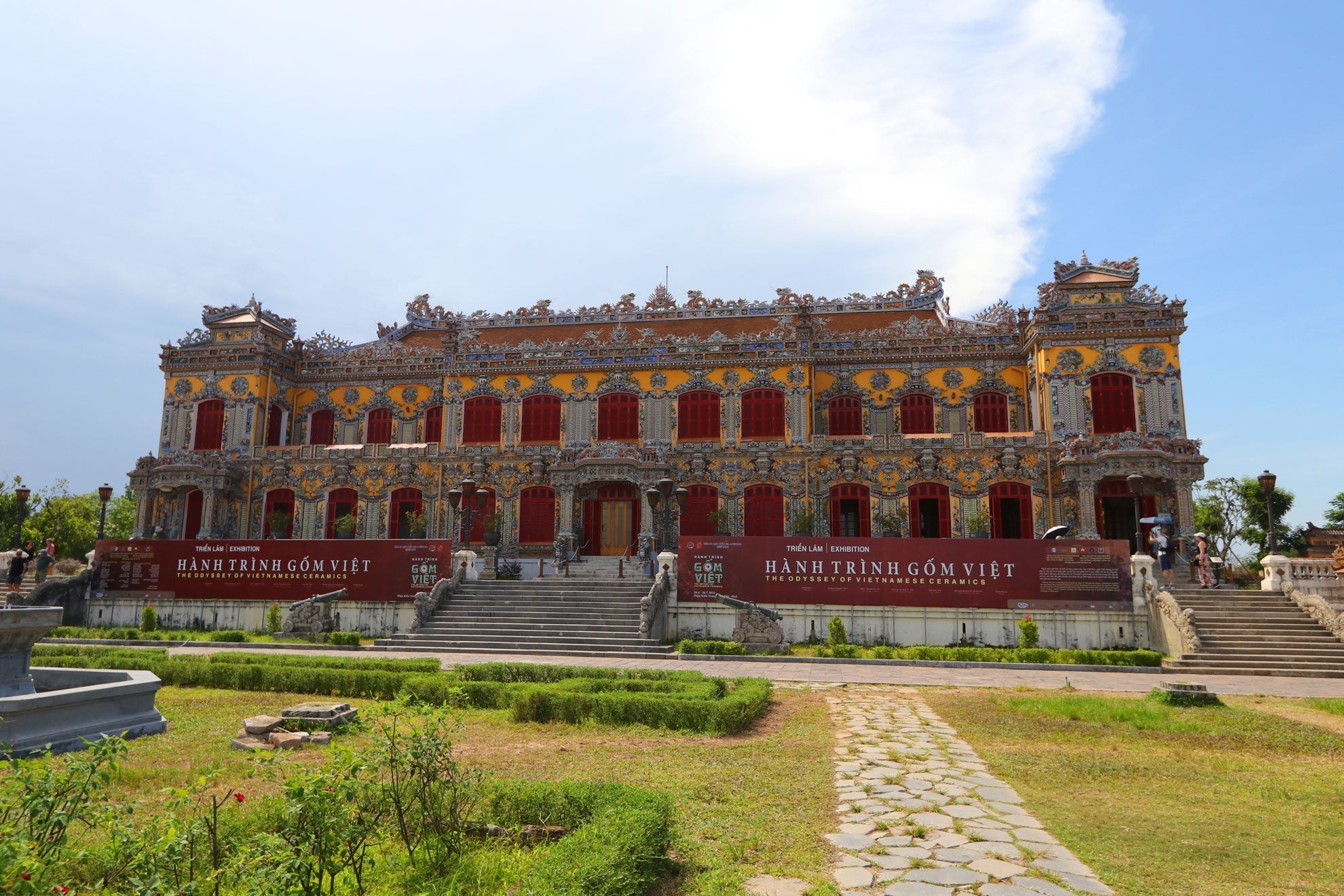
Hue Vietnam, The Perfume of a Lost Empire
Hue was once the imperial capital of Vietnam and the heart of the Nguyen Dynasty (1802–1945). It’s a city built on poetry, perfumed rivers, and stories of royalty and resistance. The Perfume River, named for the blossoms that once fell into it from orchards upstream, cuts through the city’s soul.
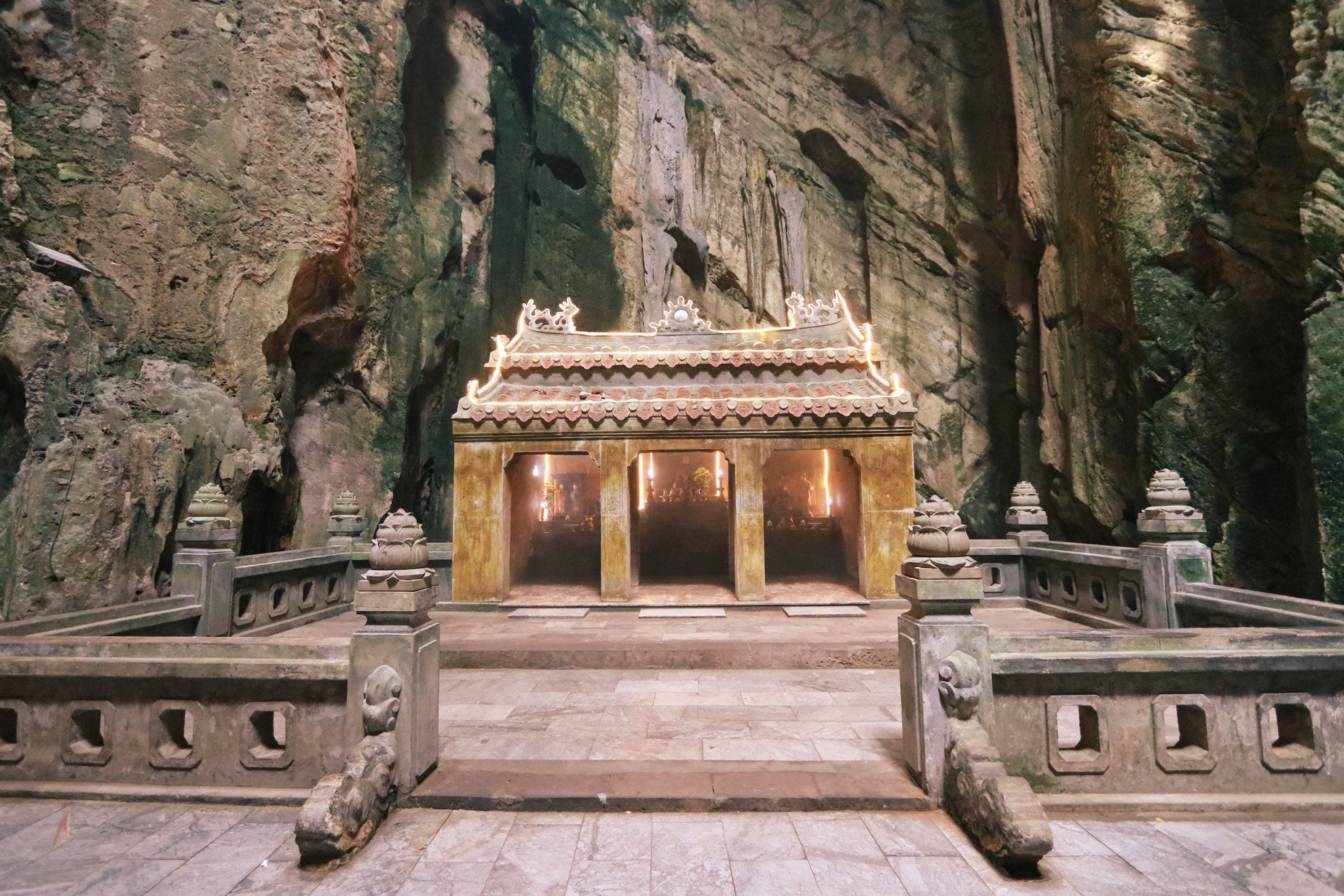
Am Phu Cave (Hell Cave) Vietnam, The Spiritual Underworld of Marble Mountain
Located within Marble Mountain near Da Nang, Am Phu Cave, translated to "Cave of Hell" is a symbolic journey through the realms of Buddhist belief. It offers a deep dive into Vietnamese spirituality, portraying both Heaven and Hell with vivid, eerie sculptures.
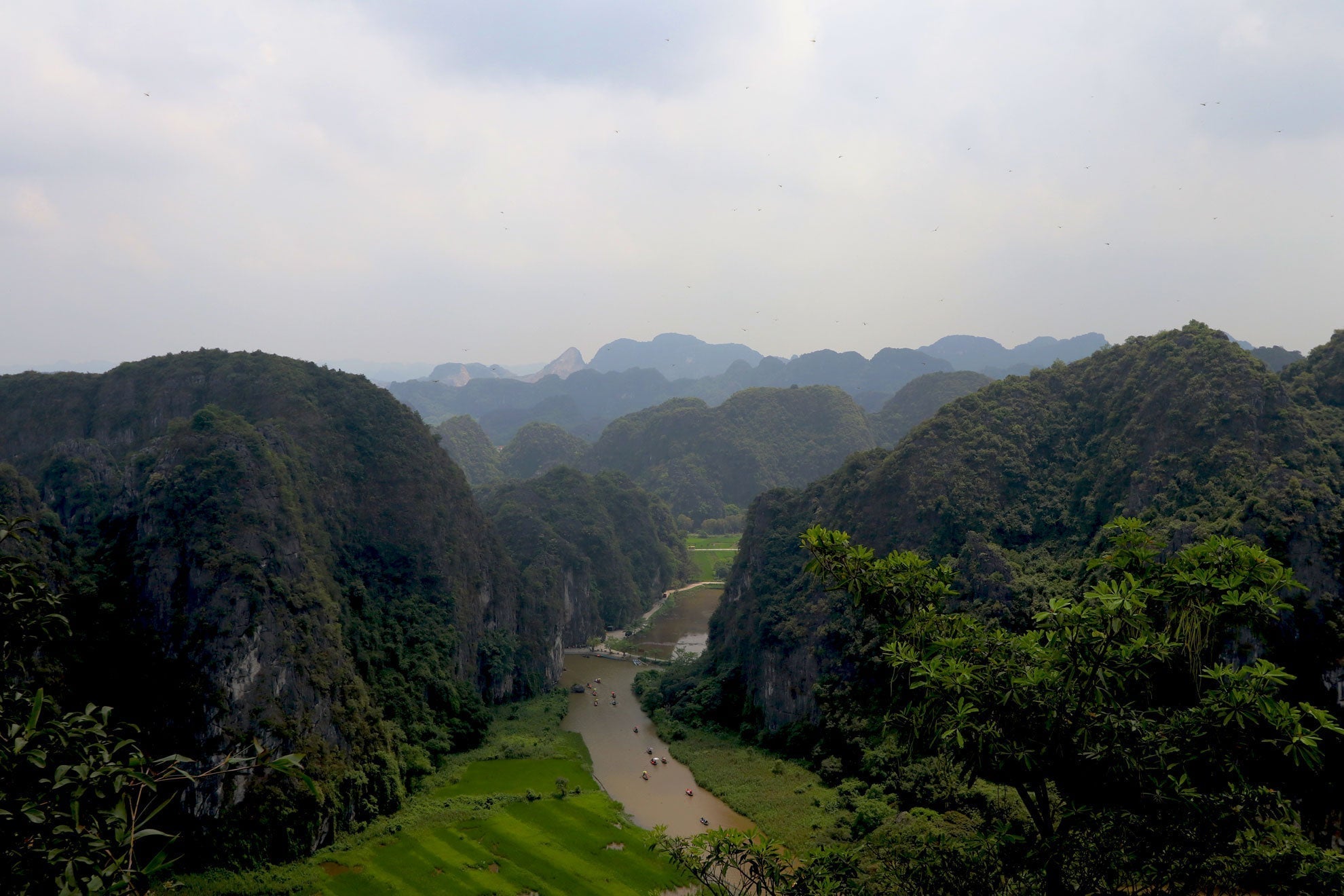
Ninh Binh Vietnam, The “Inland Ha Long” of Temples and Tranquillity
Ninh Binh is a quieter soul in northern Vietnam — a patchwork of rice fields, rivers, and limestone cliffs that echo the shape of Ha Long Bay, but on land. Known as the ancient capital of Hoa Lu, this region has an energy that invites slow travel and quiet awe.
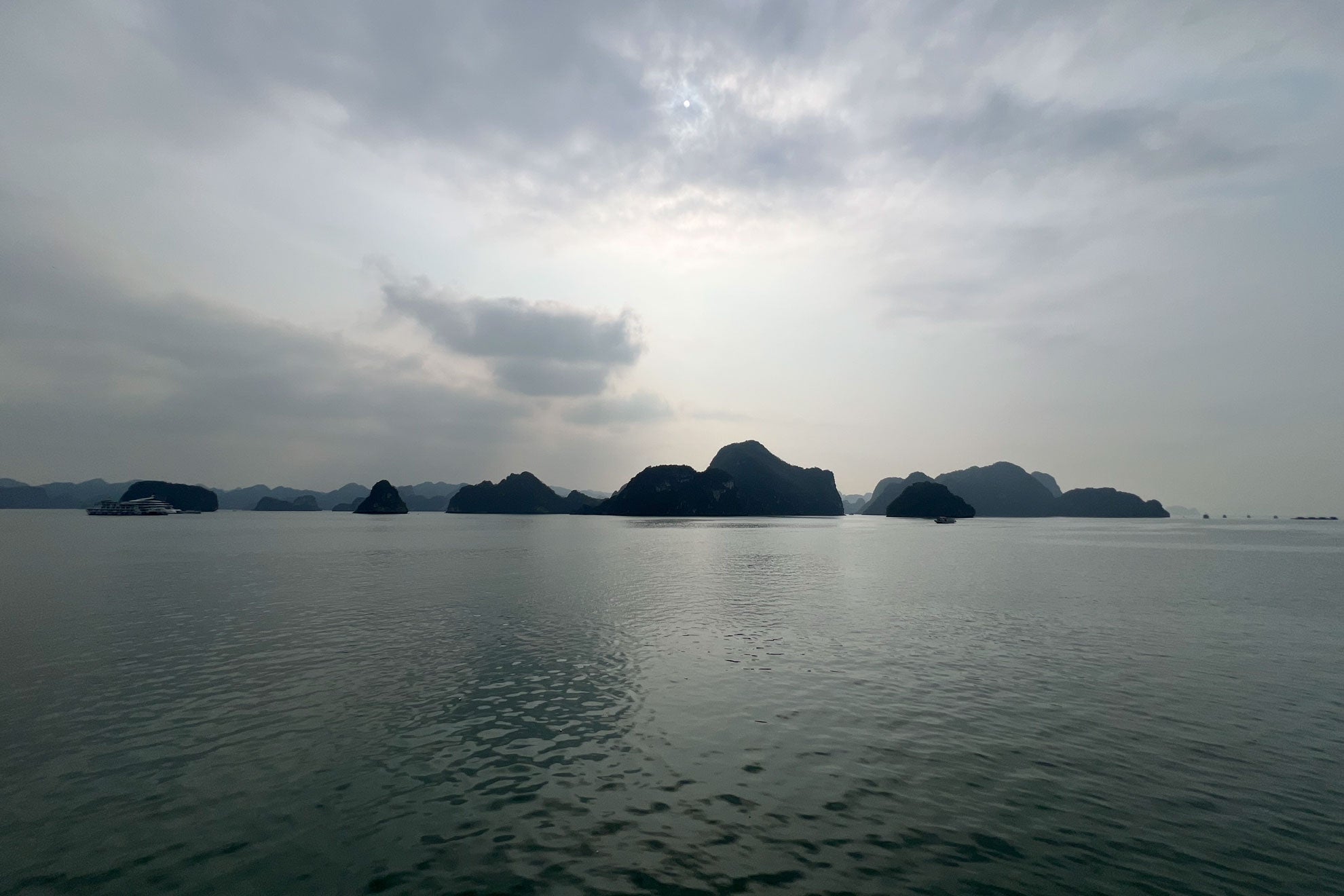
Ha Long Bay Vietnam, Where Dragons Still Sleep
Ha Long Bay, a UNESCO World Heritage Site, is a place of mystic beauty and stillness. Over 1,600 limestone islands rise from the emerald waters like scattered pearls from a dragon's breath. Legend says a celestial dragon and her children descended to protect Vietnam, breathing jade and jewels into the sea to create this bay—a story still whispered by locals.
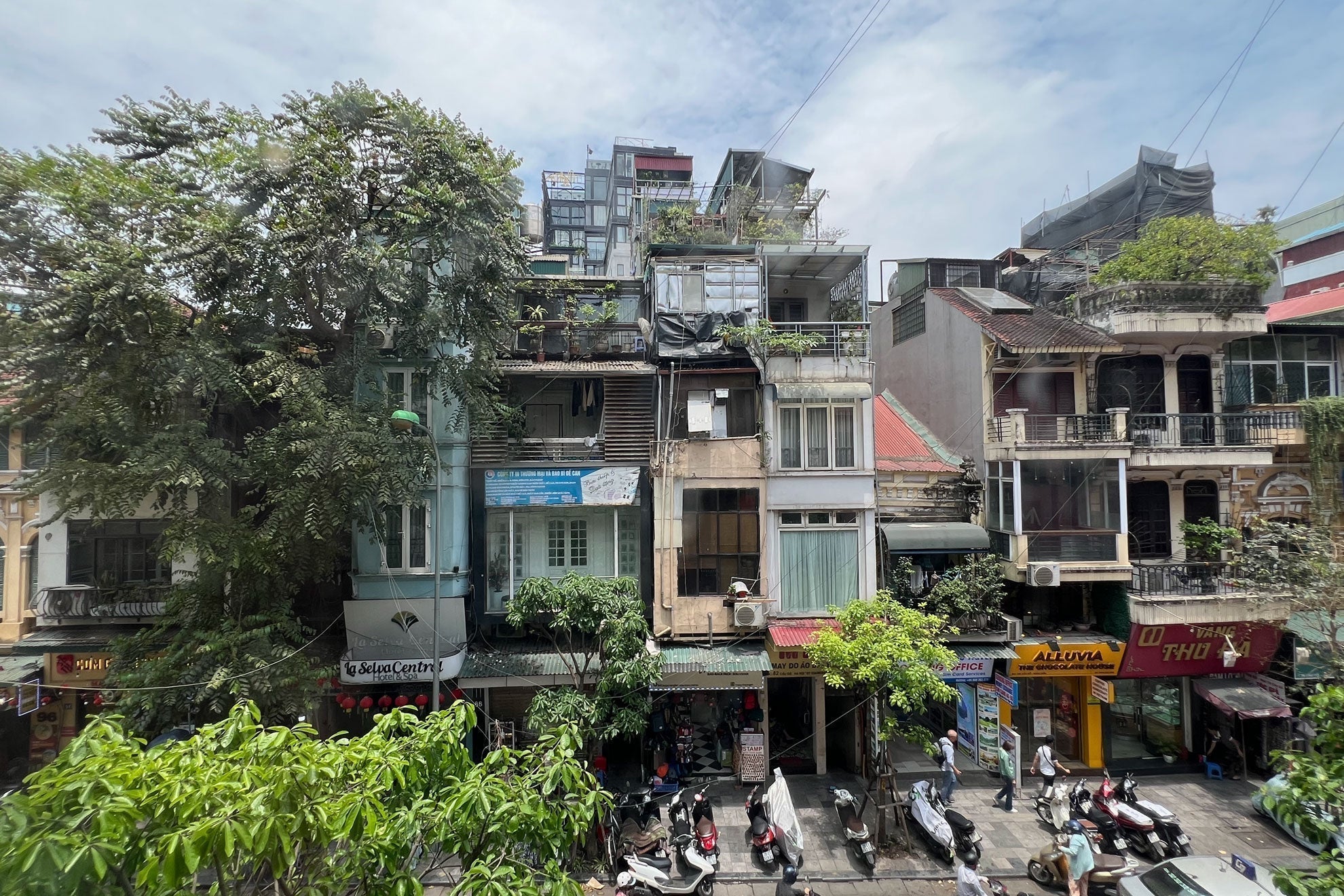
What I Wish I Knew Before Visiting Hanoi, Vietnam
Hanoi is loud, fast and beautiful, but it can also be chaotic, overwhelming and, at times, a little stressful. There’s a price we travellers pay for seeking out the kind of energy that feels different from home. The rewards are rich, but they don’t come easily.
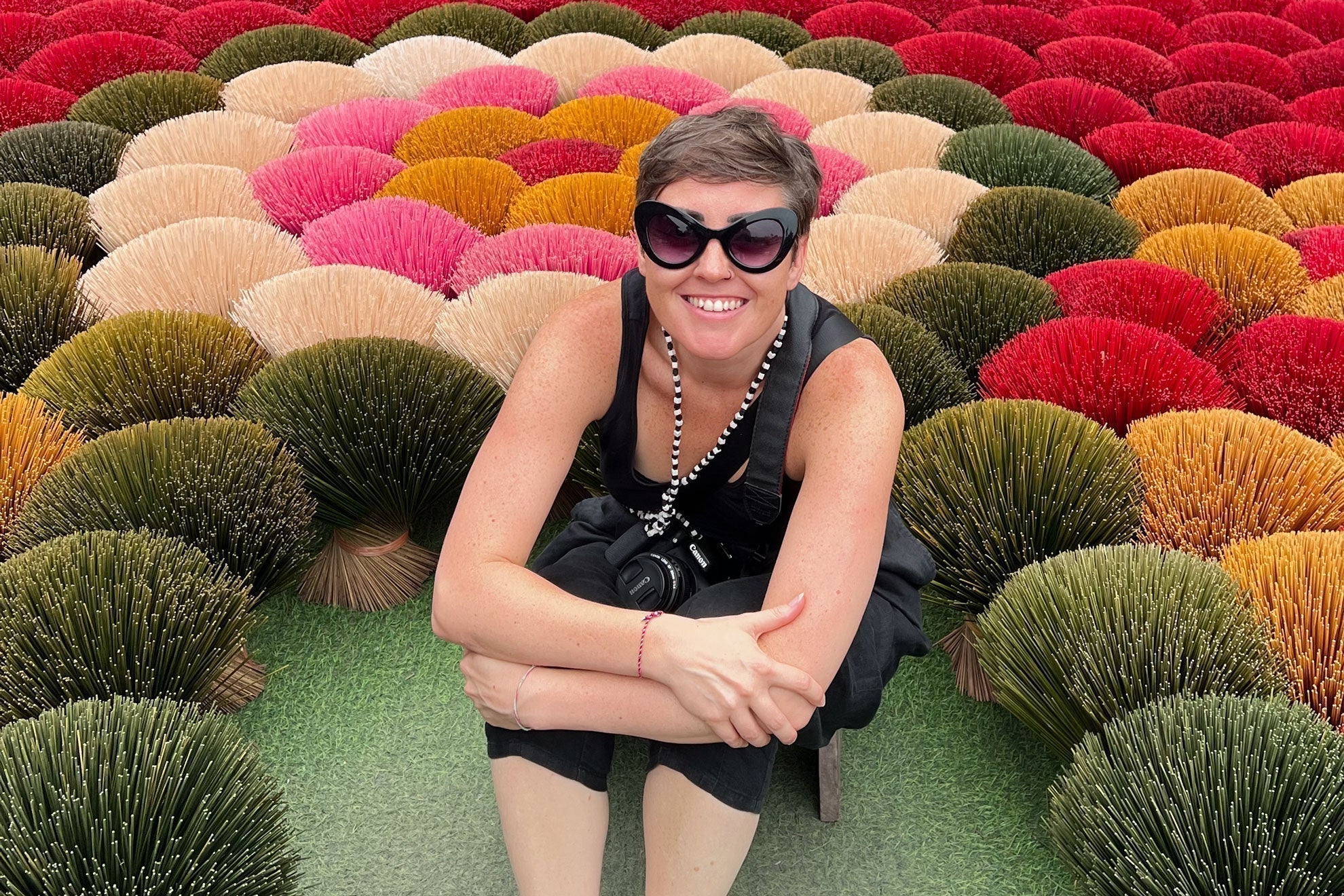
7 Days Itinerary in Northern Vietnam: Hanoi, Ha Long Bay & Ninh Binh
We’ve spent 12 days here in Vietnam so far, and it’s an exciting, stimulating place, full of contrast, colour, and sensory overload (especially as a vegan). Here's how we’d break it down into a 7-day itinerary for anyone wanting a curated yet immersive experience.
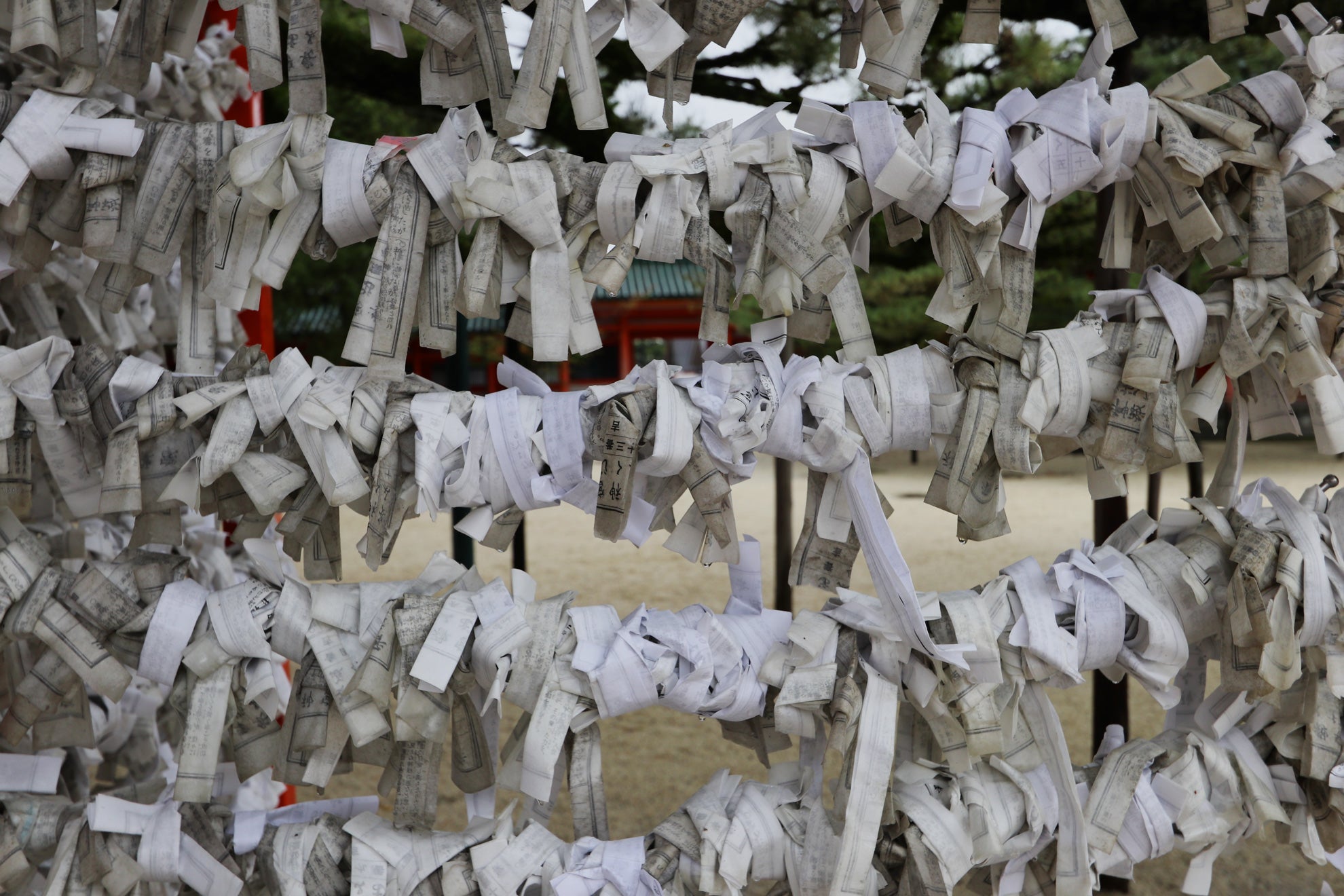
Finding Depth in Your Favourite Travel Memories
Travel is so much more than the destinations we reach—it’s about the emotions that arise, the connections we foster, and the way these experiences stay with us long after we’ve unpacked. When I think back on my most cherished journeys, I realise what makes a place truly unforgettable isn’t just the beauty of the landscapes or the moments captured on camera. It’s the deeper, more intangible essence—the way these places touch our hearts and awaken something within us.